


Some error occured while loading the Quick View. Please close the Quick View and try reloading the page.
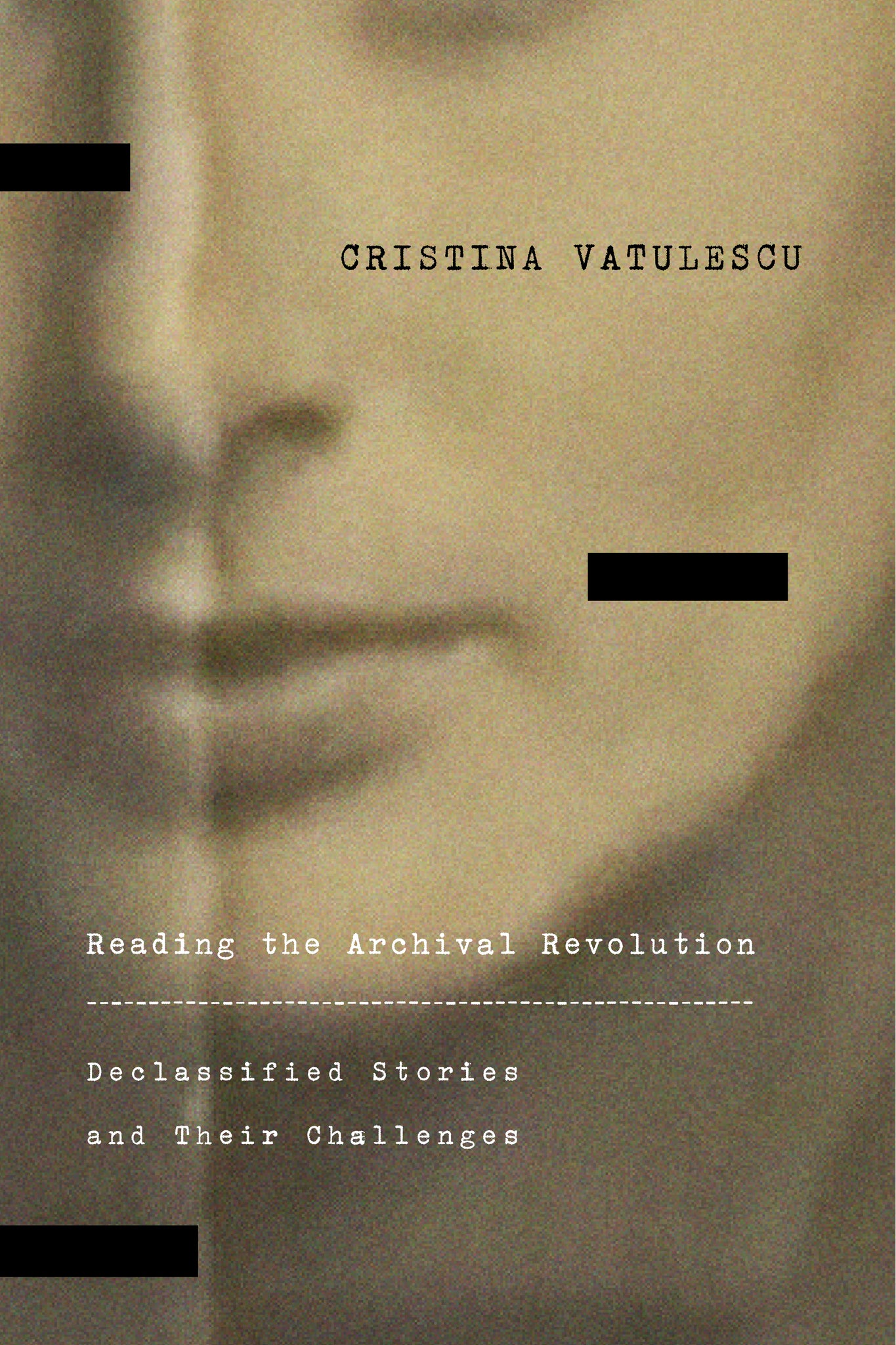
The opening of classified documents from the Soviet era has been dubbed the "archival revolution" due to its unprecedented scale, drama, and impact. With a storyteller's sensibility, Cristina Vatulescu identifies and takes on the main challenges of reading in these archives.
This transnational study foregrounds peripheral Eastern European perspectives and the ethical stakes of archival research. In so doing, it contributes to the urgent task of decolonizing the field of Eastern European and Russian studies at this critical moment in the region's history. Drawing on diverse work ranging from Mikhail Bakhtin to Tina Campt, the book enters into broader conversations about the limits and potential of reading documents, fictions, and one another. Pairing one key reading challenge with a particularly arresting story, Vatulescu in turn investigates Michel Foucault's traces in Polish secret police archives; tackles the files, reenactment film, and photo albums of a socialist bank heist; pits autofiction against disinformation in the secret police files of Nobel Prize laureate Herta Müller; and takes on the digital remediation of Soviet-era archives by analyzing contested translations of the Iron Curtain trope from its 1946 origins to the current war in Ukraine. The result is a bona fide reader's guide to Eastern Europe's ongoing archival revolution.


"Reading the Archival Revolution is unique, rich, and absorbing. Vatulescu's methodology is striking, with lessons reaching beyond police states, and her strategy is creative and generative." —Ann Stoler, The New School
"[Vatulescu's] book is a triumph. Crucial reading for archivists, information professionals, and researchers alike. Essential." —B. J. Nieubuurt, Choice
"While secret service archives have traditionally been examined with the aim of disentangling the intentions of the state, Vatulescu argues that these very documents reveal various forms of opposition, sovereignty, and even agency among those under surveillance." —Olena Palko, H-Soz-Kult
"Vatulescu has given the archival profession a beautiful, incisive reflection on archival reading." —Christopher M. Laico, Archeion
"An erudite, bracing, and consistently thought-provoking text that is important not only for literary critics but also for historians." —Joshua A. Sanborn, Slavic Review
"Reading the Archival Revolution offers important methodological resources for area studies, especially for scholars on literary historiography and affective politics.... Beyond its methodological contribution, the book's integration of visual culture and digital humanities illustrates how historical research can be revitalised through interdisciplinary strategies, thus offering lasting inspiration for contemporary scholars in the humanities and social sciences." —Xinying Yang, Europe-Asia Studies
Acknowledgments
Introduction: Challenges of Reading the Archival Revolution
1. Silences: Foucault in Poland (co-authored with Anna Krakus)
2. Intermedia: The Files, Film, and Photo Albums of a Socialist Bank Heist
3. Fictions: Literary Guides to Reading in the Secret Police Archives
4. Silences (Take Two): Gendered Archival Lacunae
5. Data: The Iron Curtain's Origins and Translations
Postscript: Toward a Polyphonic Reading Practice, II
Notes
Works Cited
Index