


Some error occured while loading the Quick View. Please close the Quick View and try reloading the page.
Uncovers the hidden federal regulation of assisted reproductive technology and reproductive genetic innovation
The use of assisted reproductive technology (ART) has become increasingly prevalent in society, with approximately 42% of American adults reporting in 2023 that they or someone they know has undergone fertility treatment. Yet, while traditional ART techniques like artificial insemination or in vitro fertilization (IVF) have led to the birth of millions of children worldwide, their use and research has remained contested within the American regulatory sphere.
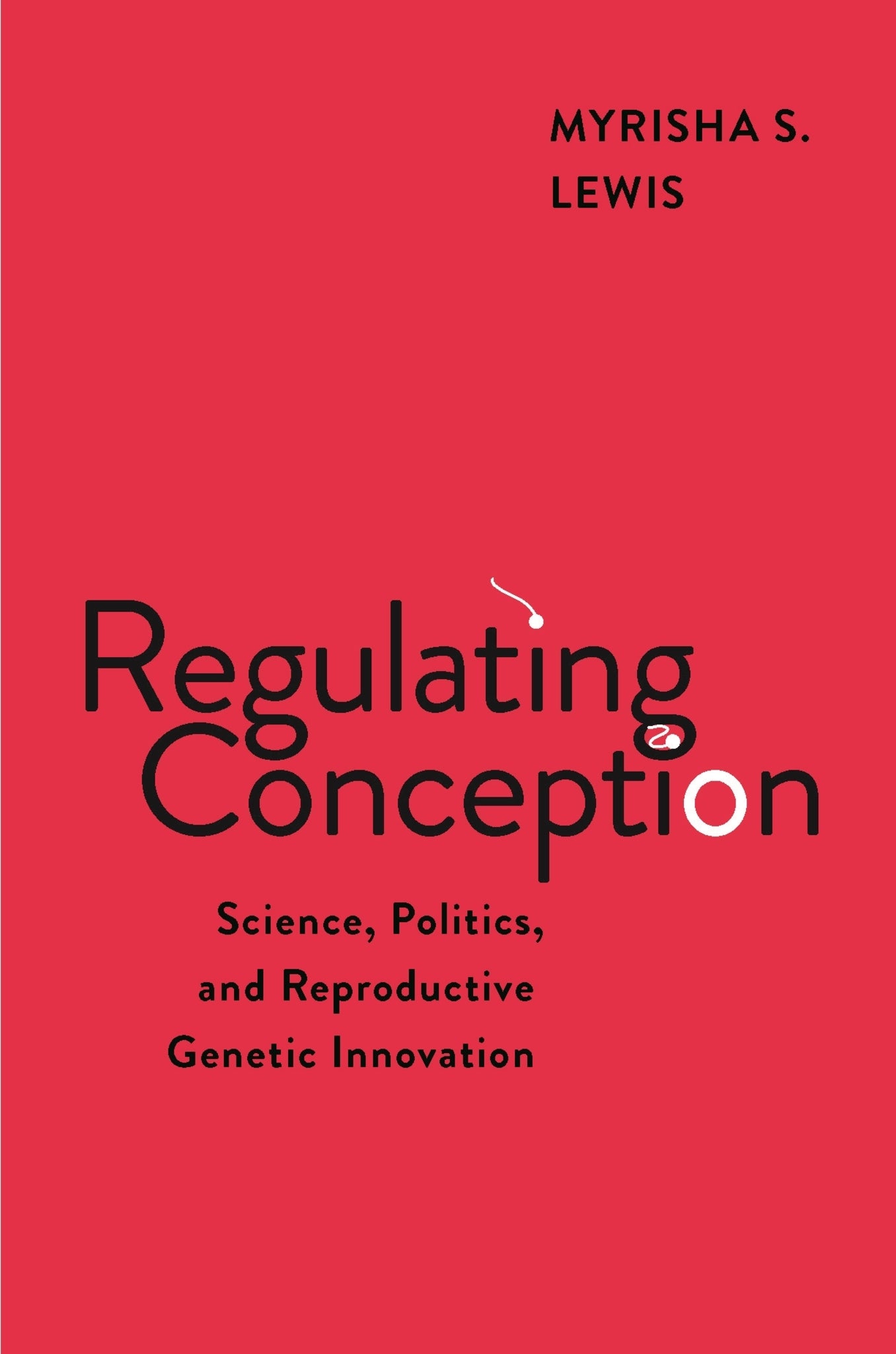
In Regulating Conception, Myrisha S. Lewis assesses the moral, political and social issues that influence the federal regulation of ART and reproductive genetic innovation. Contrasting the prevailing viewpoint that ART is “minimally regulated,” Lewis uncovers how ART techniques that combine IVF with genetic modification or substitution face hidden regulations from federal agencies that curtail access to reproductive genetic innovation. Though the jurisdictional basis of these agency actions has never been clearly articulated, agency employees continue to use agency-issued letters and advisories to deter practitioners of reproductive genetic innovation. In doing so, these actions limit access to life-altering reproductive technologies in the United States and further disparities in access to assisted reproduction. Exposing the extent of over-regulation assisted reproduction in the US, Regulating Conception urges the minimal regulation of assisted reproduction and reproductive genetic innovation in place of clandestine regulation, to increase transparency and safeguard reproductive rights.


— June Carbone, University of Minnesota Law School
Regulating Conception provocatively makes a case for less, not more, regulation of advances in human reproduction. Anyone working in the field will need to grapple with it. This book is a must read for anyone concerned about the future of assisted reproduction.
— Hank T. Greely, author of The End of Sex and the Future of Human Reproduction
Provides a careful, thoughtful, and compelling critique of the oversight of assisted reproductive technology. Lewis argues for a "hands-off" regime of regulation that will encourage innovation and protect reproductive rights. The analysis offers critical insights into the future of reproductive technology.
— Naomi R. Cahn, University of Virginia