


Some error occured while loading the Quick View. Please close the Quick View and try reloading the page.
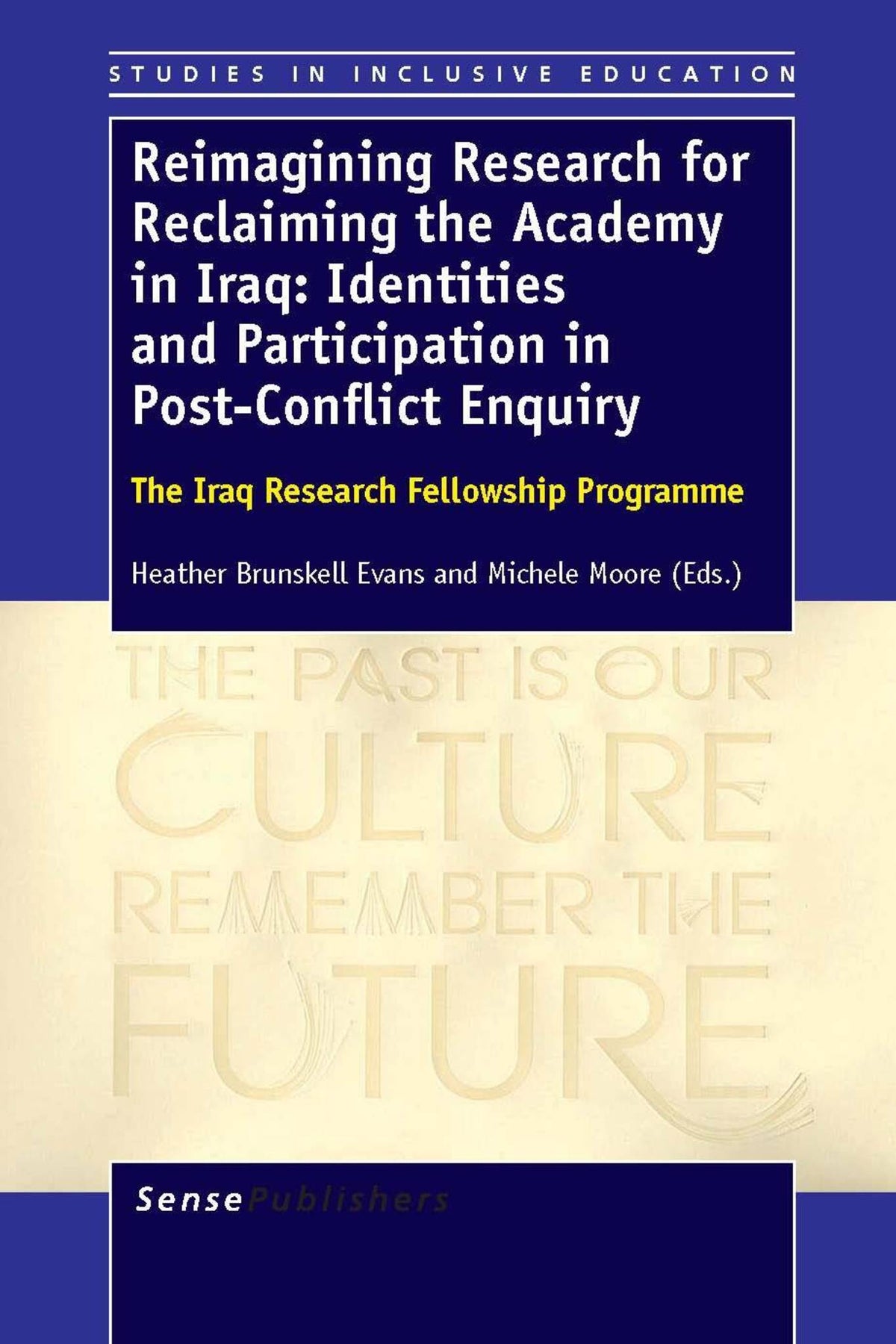
This book is without doubt one of the most important publications that I have read for a very long time. These stories by Iraqi scholars raise many important insights, issues and questions. Their accounts provide some chilling insights into the terrible forms of oppression and discrimination that are part of the barriers to the realisation of an inclusive and creative development. It is extremely difficult to appreciate the pain and suffering that has been an integral part of their lives. Their accounts are readable and refreshingly honest.
I do believe that there is a moral responsibility for all members of departments in universities to read and discuss this book as a matter of urgency. This needs to be done in terms of what we can learn about Iraq and in turn, to critically examine our own current conditions, relations, policies and practices, so that we can also struggle for a more inclusive system of educational provision and practice in higher education. - Professor Emeritus Len Barton, England
I do believe that there is a moral responsibility for all members of departments in universities to read and discuss this book as a matter of urgency. This needs to be done in terms of what we can learn about Iraq and in turn, to critically examine our own current conditions, relations, policies and practices, so that we can also struggle for a more inclusive system of educational provision and practice in higher education. - Professor Emeritus Len Barton, England

Price: $119.00
Pages: 112
Publisher: Brill
Imprint: Brill
Publication Date:
01 January 2012
ISBN: 9789460918964
Format: Hardcover

This book is without doubt one of the most important publications that I have read for a very long time. These stories by Iraqi scholars raise many important insights, issues and questions. Their accounts provide some chilling insights into the terrible forms of oppression and discrimination that are part of the barriers to the realisation of an inclusive and creative development. It is extremely difficult to appreciate the pain and suffering that has been an integral part of their lives. Their accounts are readable and refreshingly honest.
I do believe that there is a moral responsibility for all members of departments in universities to read and discuss this book as a matter of urgency. This needs to be done in terms of what we can learn about Iraq and in turn, to critically examine our own current conditions, relations, policies and practices, so that we can also struggle for a more inclusive system of educational provision and practice in higher education. - Professor Emeritus Len Barton, England
I do believe that there is a moral responsibility for all members of departments in universities to read and discuss this book as a matter of urgency. This needs to be done in terms of what we can learn about Iraq and in turn, to critically examine our own current conditions, relations, policies and practices, so that we can also struggle for a more inclusive system of educational provision and practice in higher education. - Professor Emeritus Len Barton, England