


Some error occured while loading the Quick View. Please close the Quick View and try reloading the page.
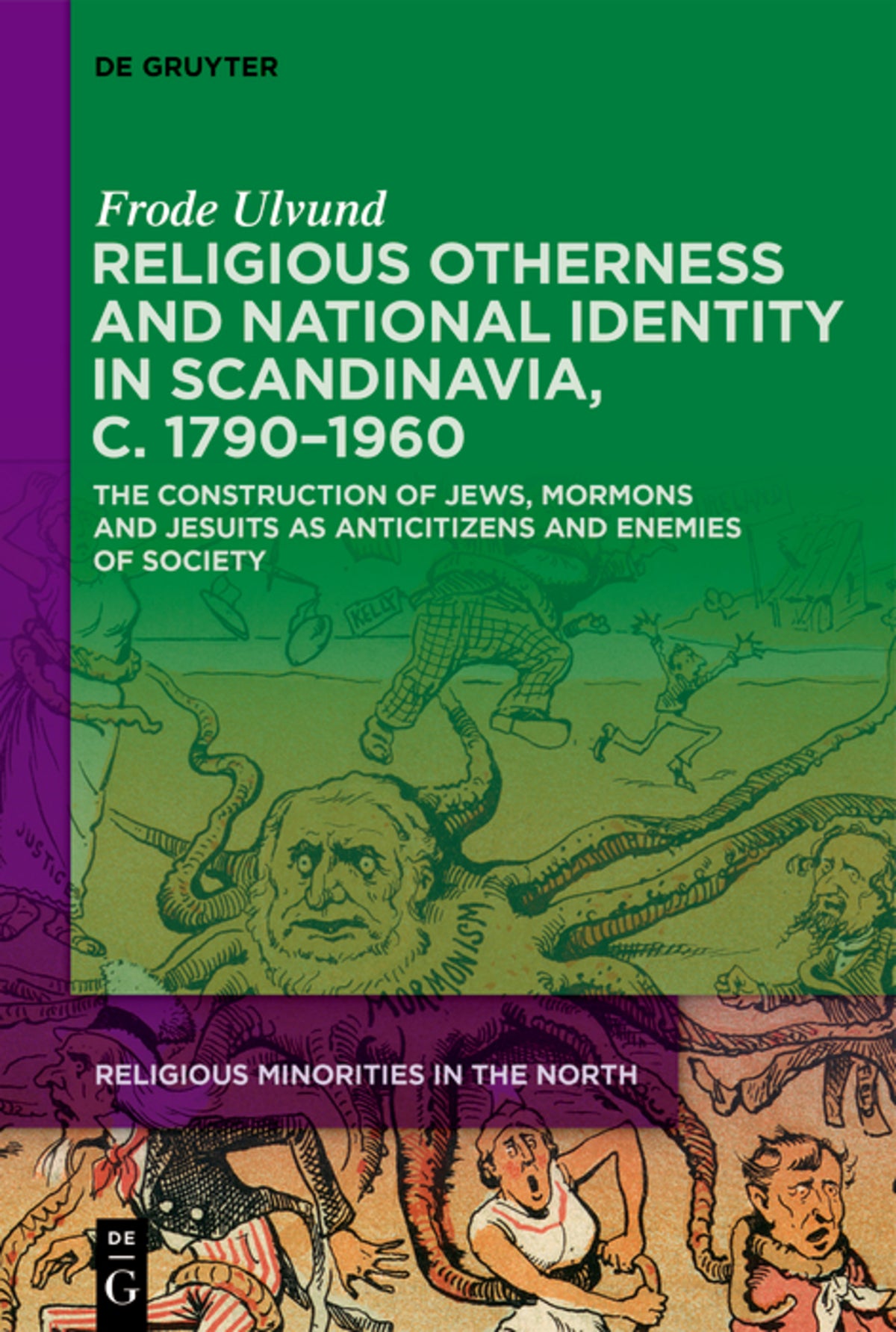
The author discusses how religious groups, especially Jews, Mormons and Jesuits, were labeled as foreign and constructed as political, moral and national threats in Scandinavia in different periods between c. 1790 and 1960. Key questions are who articulated such opinions, how was the threat depicted, and to what extent did it influence state policies towards these groups. A special focus is given to Norway, because the Constitution of 1814 included a ban against Jews (repelled in 1851) and Jesuits (repelled in 1956), and because Mormons were denied the status of a legal religion until freedom of religion was codified in the Constitution in 1964. The author emphasizes how the construction of religious minorities as perils of society influenced the definition of national identities in all Scandinavia, from the late 18th Century until well after WWII. The argument is that Jews, Mormons and Jesuits all were constructed as "anti-citizens", as opposites of what it meant to be "good" citizens of the nation. The discourse that framed the need for national protection against foreign religious groups was transboundary. Consequently, transnational stereotypes contributed significantly in defining national identities.

Price: $122.99
Pages: 320
Publisher: De Gruyter
Imprint: De Gruyter
Publication Date:
16 December 2020
ISBN: 9783110654295
Format: Hardcover
BISACs:
HISTORY / Europe / General, HIS022000 HISTORY / Jewish, HIS054000 HISTORY / Social History, REL040010 RELIGION / Judaism / Rituals & Practice

Frode Ulvund, University of Bergen, Norway.