


Some error occured while loading the Quick View. Please close the Quick View and try reloading the page.
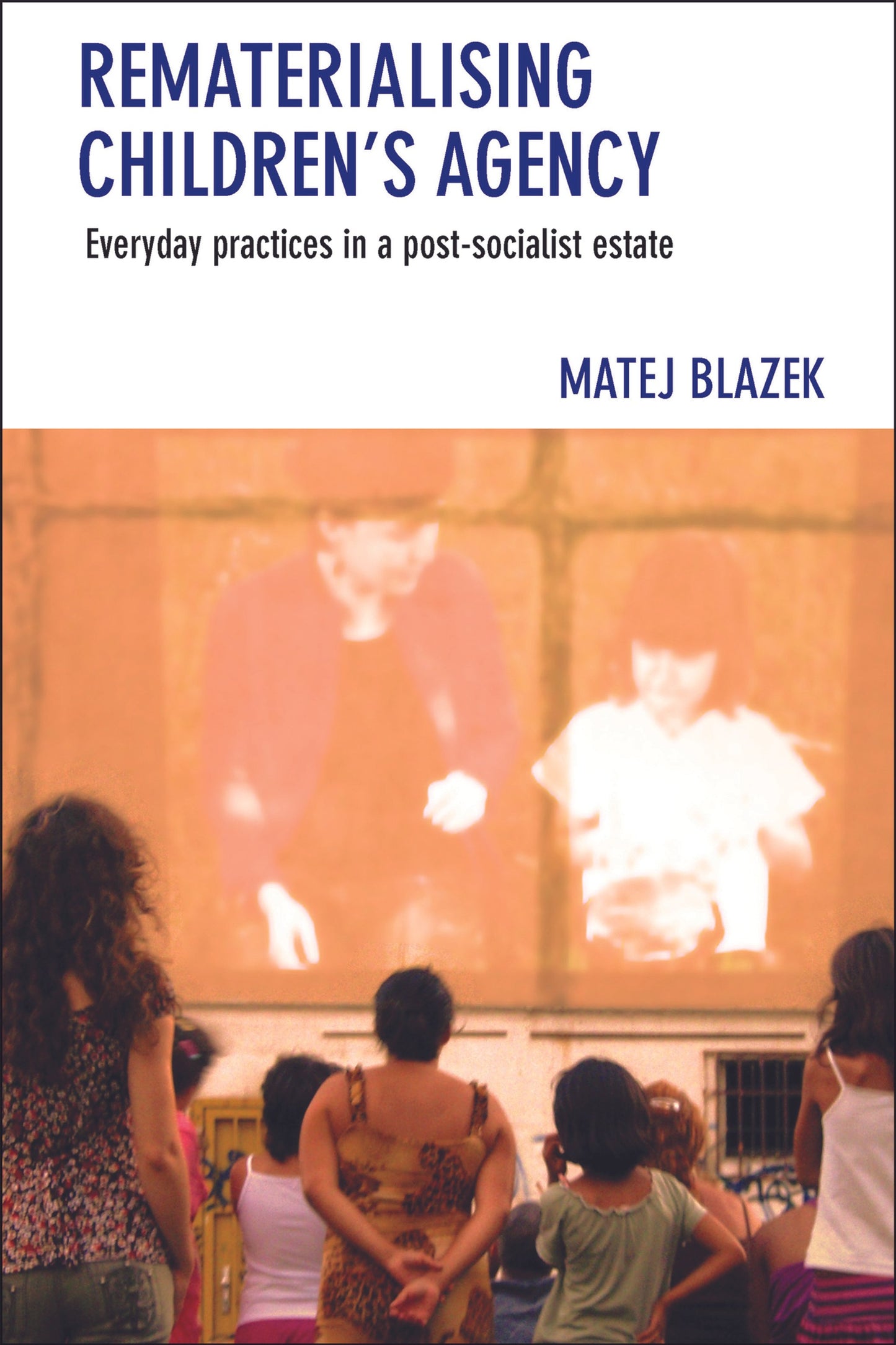
This book is a detailed study of children’s everyday practices in a small, deprived neighbourhood of post-socialist Bratislava, called Kopčany. It provides a novel empirical insight on what it is like to be growing up after 25 years of post-socialist transformations and questions the formation of children’s agency and the multitude of resources it comes from.
What happens if we accept children’s practices as cornerstones of communities? What is uncovered if we examine adults' co-presence with children in everyday community spaces? With a background in youth work, the author writes from the unique position of being able to develop in-depth insights into both children’s life-worlds, and practitioners’ priorities and needs.


Part One:
Introduction;
Part Two:
Locating the field;
Practising the field;
Thinking the field;
Part Three:
Public spaces of Kopčany;
The body and embodiment;
Things;
Everyday social encounters and circumscribed routines;
Family life;
Friendship;
Notions of social identity;
Part Four:
Rematerialising children’s agency.