


Some error occured while loading the Quick View. Please close the Quick View and try reloading the page.
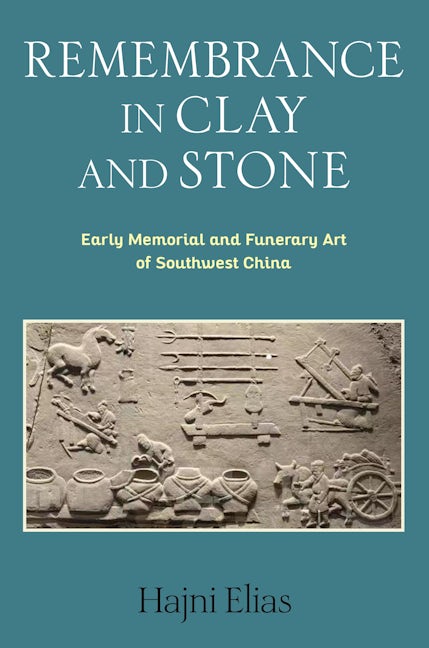
This book explores the memorial and funerary artistic traditions of Southwest China during the Eastern Han dynasty (25–220 CE). In early imperial times, the art of this region—present-day Sichuan province—differed in both style and content from tomb and memorial art produced in other parts of the Han empire, especially that of the Central Plains, considered the heartland of Chinese civilization. Although Southwest China was described in contemporaneous accounts as an uncultured backwater, it had a vibrant and sophisticated artistic tradition.
Hajni Elias examines the Southwest’s rich material culture, which includes pictorial brick tiles, mingqi or spirit vessels, pottery figurines, decorated stone sarcophagi, architectural gate towers, and commemorative and ancestral stelae. She sheds light on the distinct traits and practices that arose from the region’s complex geographical, cultural, and economic tapestry. Elias also places the Southwest in a broader Han cultural framework, offering a new perspective on early Chinese society and its mortuary and memorial practices. Showcasing the quality and breadth of the achievements of the Southwest’s artisans and craftsmen, Remembrance in Clay and Stone reveals the distinctive and sophisticated ways in which people of this era recorded and memorialized their lives.


Acknowledgments
Introduction
1. Heaven’s Storehouse: Geographical, Social, and Religious Landscape of the Southwest
2. Tomb Art from the Southwest
3. Cliff Tomb Burial and Decorated Stone Sarcophagi
4. Fun at Funerals
5. Intimacy and the Afterlife
6. Commemorating the Dead for the Living
Afterword
Appendix
Notes
Bibliography
Index