


Some error occured while loading the Quick View. Please close the Quick View and try reloading the page.
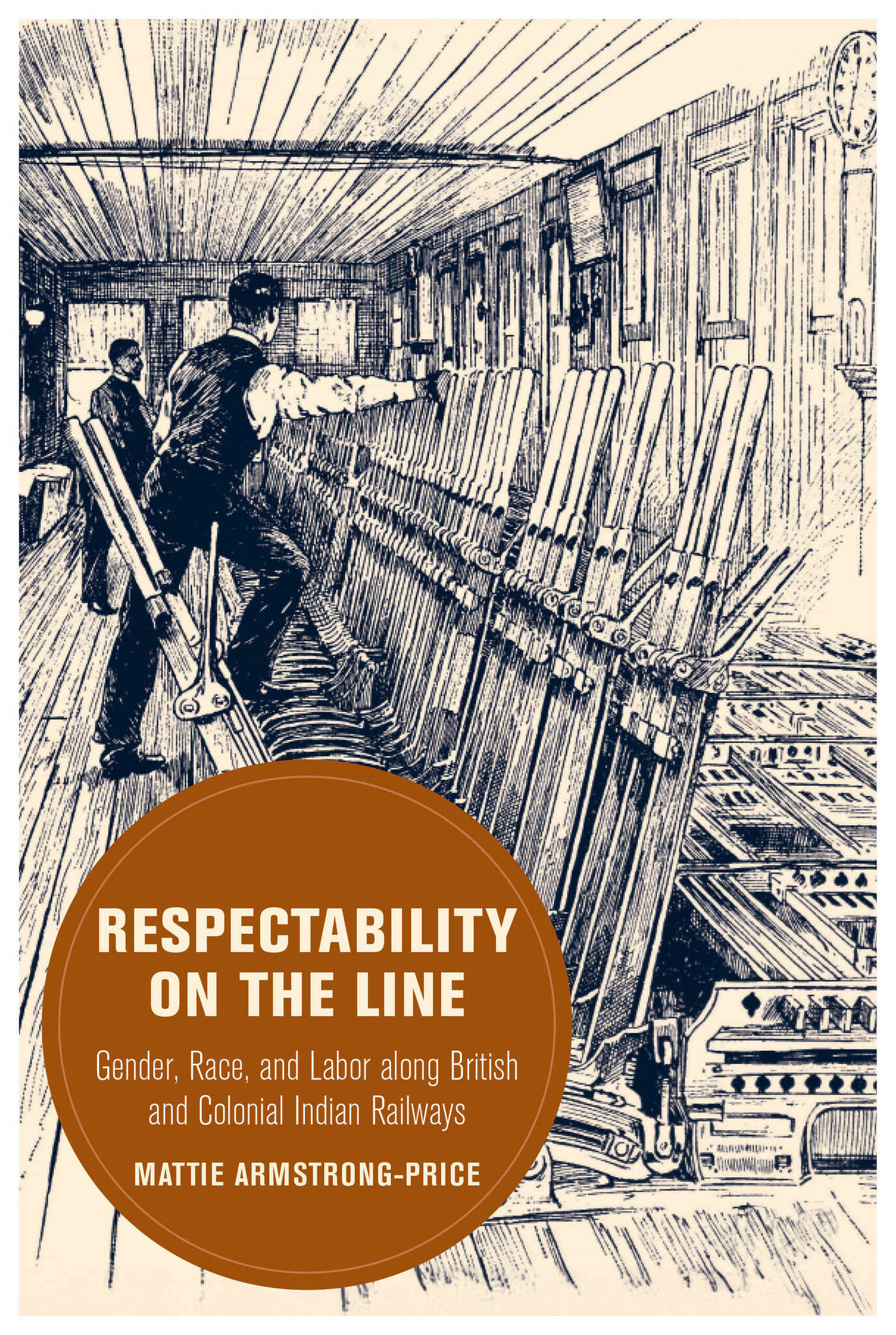
Respectability on the Line offers a social and cultural history of railway labor in Britain and colonial India from the 1840s through World War I. The book treats the railway industry as a microcosm through which to study the history of capitalism in the liberal imperial era. Using company records, Mattie Armstrong-Price shows how executives shaped the domestic and working lives of higher-grade employees with an eye to cultivating their respectability. Meanwhile workers' writings reveal how railway towns provided opportunities for some employees to maintain non-heteronormative living arrangements. The book tracks these histories of everyday life while also outlining stories of early trade unionism. In Britain, railway unionists established benefit funds that mimicked company-sponsored provident funds, while in colonial India workers fought to gain access to company benefits on equal terms. This comparative study shows how industrial labor was made through conflict, subversion, and accommodation across an uneven imperial field.

Price: $95.00
Pages: 234
Publisher: University of California Press
Imprint: University of California Press
Series: Berkeley Series in British Studies
Publication Date:
24 February 2026
Trim Size: 9.00 X 6.00 in
ISBN: 9780520421554
Format: Hardcover

Mattie Armstrong-Price is Assistant Professor of History at Fordham University.
Contents
Acknowledgments
Introduction
Part One. Railway Paternalism and the Making of Sexual Cultures of Labor, 1840s–1860s
1. Imperfect Technologies of Moralization: Railway Paternalism in Mid-Nineteenth-Century Britain
2. Strains of Permissiveness, Fields of Force: Railway Paternalism in Colonial India After 1857
Part Two. Making Railway Unionism between Britain and Colonial India, 1870s–1880s
3. Paternal Figures: The Politics of Race and Gender in Early Railway Unionism
Part Three. Mass Movements and the Making of Social Liberalism, 1890s–1910s
4. Laboring behind the Curtain: Industrial Unionism and Social Liberal Governance in Britain
5. Conveying Grievances in the Vernacular: Nationalist-Aligned Unionism and Social Liberal Reform in Colonial India
Conclusion
Notes
Bibliography
Index
Acknowledgments
Introduction
Part One. Railway Paternalism and the Making of Sexual Cultures of Labor, 1840s–1860s
1. Imperfect Technologies of Moralization: Railway Paternalism in Mid-Nineteenth-Century Britain
2. Strains of Permissiveness, Fields of Force: Railway Paternalism in Colonial India After 1857
Part Two. Making Railway Unionism between Britain and Colonial India, 1870s–1880s
3. Paternal Figures: The Politics of Race and Gender in Early Railway Unionism
Part Three. Mass Movements and the Making of Social Liberalism, 1890s–1910s
4. Laboring behind the Curtain: Industrial Unionism and Social Liberal Governance in Britain
5. Conveying Grievances in the Vernacular: Nationalist-Aligned Unionism and Social Liberal Reform in Colonial India
Conclusion
Notes
Bibliography
Index