


Some error occured while loading the Quick View. Please close the Quick View and try reloading the page.
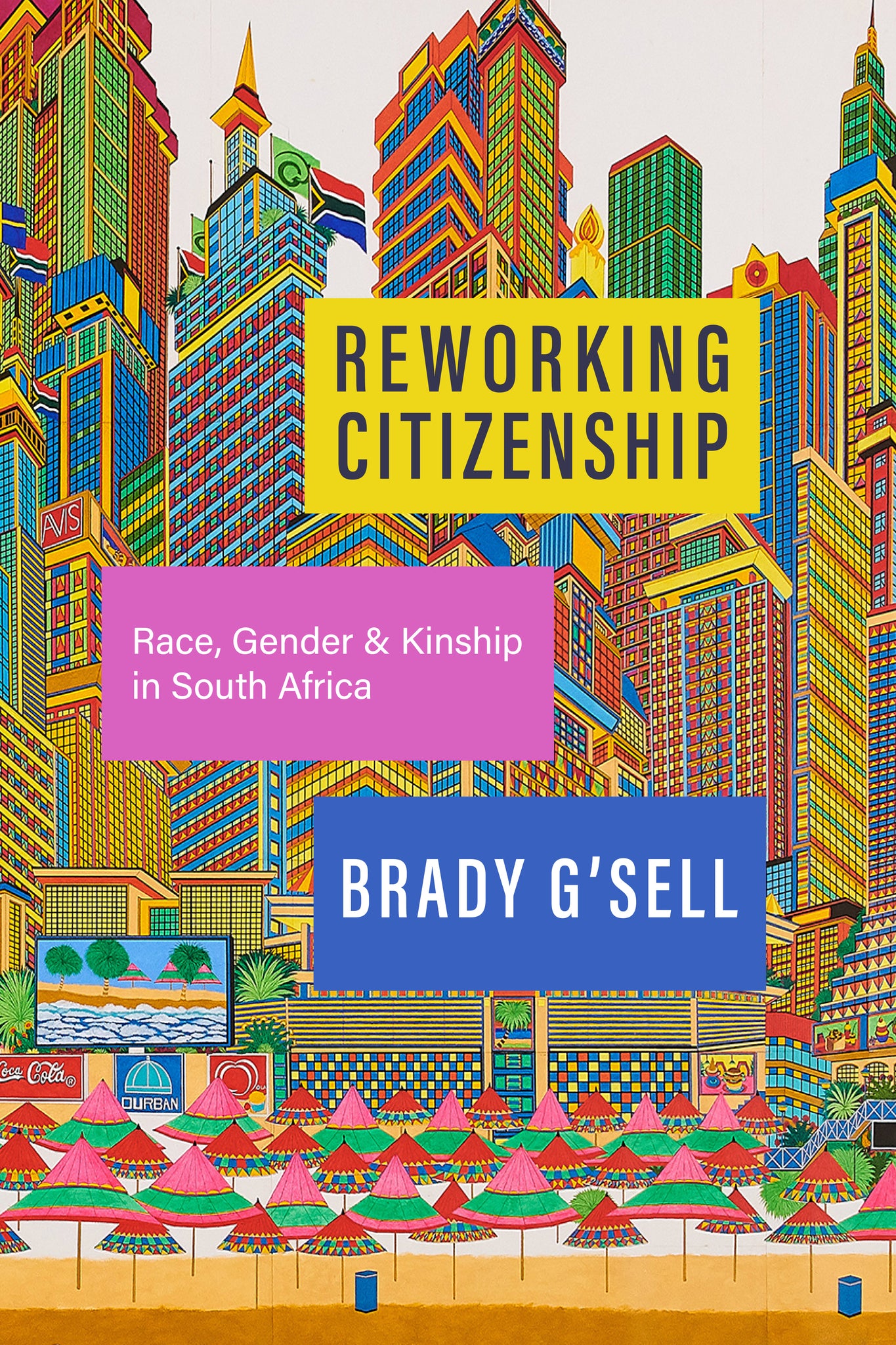
In scenes reminiscent of the apartheid era, 2021 saw South Africa's streets filled with mass protests. While the country is lauded for its peaceful transition to democracy with citizenship for all, those previously disenfranchised, particularly women, remain outraged by their continued poverty and marginalization. As one black woman protester told a reporter, reflecting on the end of apartheid: "We didn't get freedom. We only got democracy." What obligations do states have to support their citizens? What meaning does citizenship itself hold?
Blending archival and ethnographic methods, Brady G'sell tracks how historic resistance to racial and gendered marginalization in South Africa animate present-day contentions that regardless of voting rights, without jobs to support their families, the poor majority remain excluded from the nation. Through long-term fieldwork with impoverished black African, Indian, and coloured (mixed race) women living in the city of Durban, she reveals women's everyday efforts to rework political institutions that exclude them. Informed by her interlocutors, G'sell retheorizes citizenship as not solely tied to individual rights, but dependent on the security of social (often kinship) relations. She forwards the concept of relational citizenship as a means to reimagine political belonging amidst a world of declining wage labor and eroding state-citizen covenants.


"What G'Sell accomplishes in this book is something that I haven't seen anywhere else. She combines a magisterial command of the thicket of past and present South African laws and policies related to child support with a careful ethnography of women who have been most dependent upon and most disappointed by those systems. This work is extremely important and an absolute pleasure to read." —Lynn M. Thomas, University of Washington
"This excellent book will encourage readers to similarly think about the social and political situations in their own societies. Recommended." —E. P. Renne, CHOICE
"Methodologically eclectic, G'sell provides a textured account of the increasingly politicised category of motherhood through oral histories, participant observation, archival research, and interviews." —Maxime Bourdier, Journal of the Anthropological Society of Oxford
Acknowledgments
List of Abbreviations
Note on Language
Introduction
1. "In Point, it is the same as if you are alone": Kinshipping in a Kinless Space
2. "You are Mothers of the Nation": Citizenship and Social Reproduction
3. "She is not conscious of her maternal role": Kinshipping in the Welfare Office
4. "We are mothers, we are hustlers": Kinshipping in the Community
5. "Me and him we only have a child together, nothing more": Kinshipping in the Court
6. "We are able to stay together as a family": Kinshipping at Home
Conclusion
Glossary
Notes
References
Index