


Some error occured while loading the Quick View. Please close the Quick View and try reloading the page.
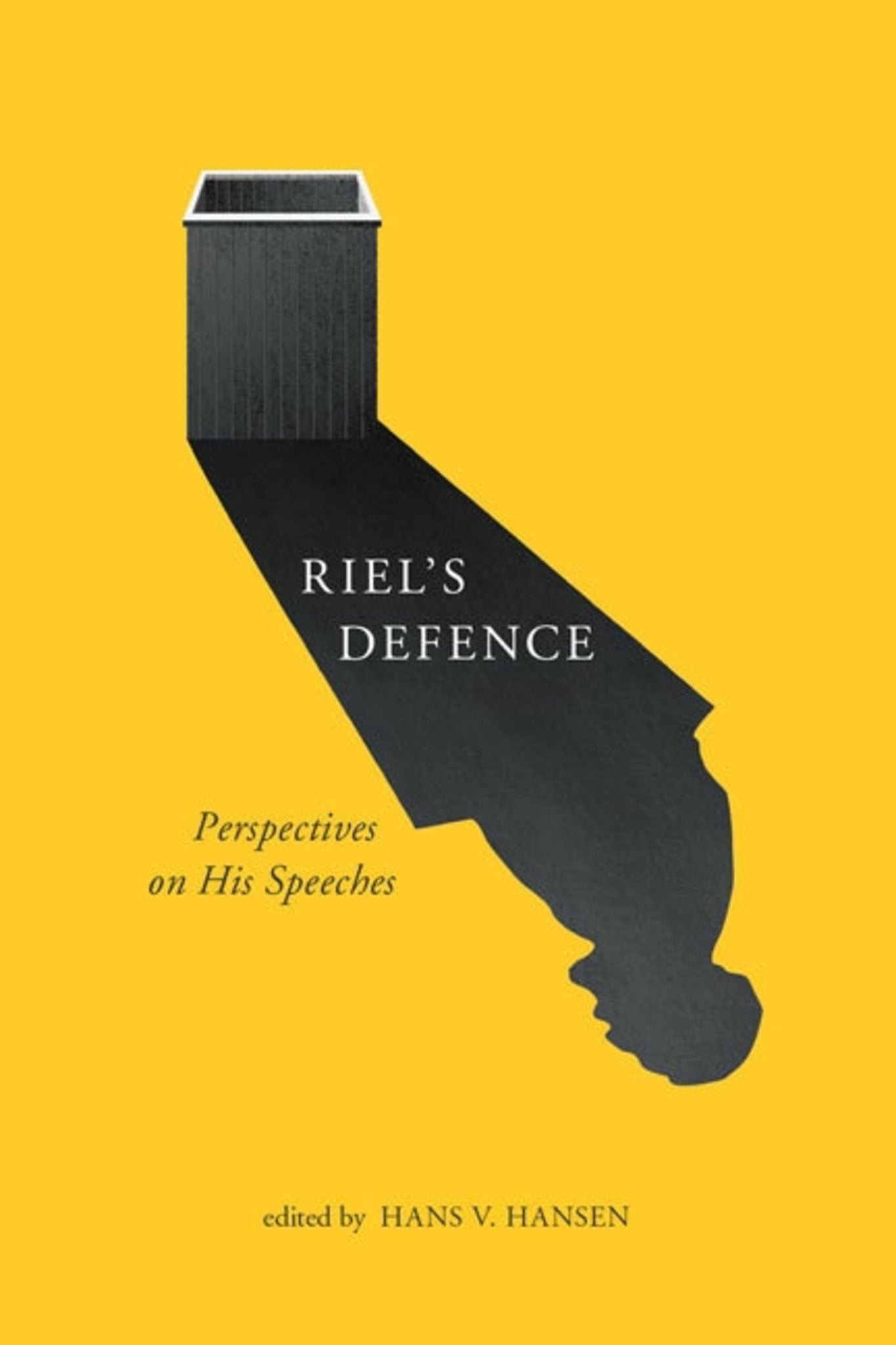
In 1885, Louis Riel was charged with high treason, found guilty, and consequently executed for his role in Saskatchewan's North-West Rebellion. During his trial, the Métis leader gave two speeches, passionately defending the interests of the Métis in western Canada as well as his own life. Riel's Defence studies these speeches, demonstrating the range of Riel's political and personal concerns.
The first and better known of the two speeches addresses the jury, while Riel's second speech - rarely reprinted - addresses the court following his guilty verdict. Both orations have been edited, annotated, and reprinted, and are followed by essays from diverse perspectives including philosophy, law, history, political science, religion, and communication studies. Through the course of their inquiry, contributors come to understand more about Riel's personal character and political thought, as well as his arguments supporting Métis land claims, grievances against the federal government, and his immigration plan for the North-West.
Evaluating the rhetorical quality, legal merit, and cultural stakes of his speeches, Riel's Defence reveals the significance of the last public statements made by a man who indelibly shaped Canada’s history by combining his personal vision with a national vision.


“This volume of essays is relevant to anyone interested in exploring Riel’s speeches and other narratives associated with the continuing colonial relationship between Canada and its indigenous and Métis peoples. [It] gestures toward a future for Riel stud
“This collection offers new understandings into Riel's political, philosophical, and religious beliefs as well as the manner in which he sought to articulate and defend these ideas at what was undoubtedly the most critical juncture of his life. By employi
“Riel’s Defence is an outstanding volume of interlocking but distinctive analyses. Riel has been the subject of a good deal of scholarship, but much of it focuses on historical considerations of his biography and politics. These essays treat his speeches as important rhetorical and philosophical documents in their own right and open them to new consideration by scholars and the wider public.” Scott L. Pratt, Department of Philosophy, University of Oregon