


Some error occured while loading the Quick View. Please close the Quick View and try reloading the page.
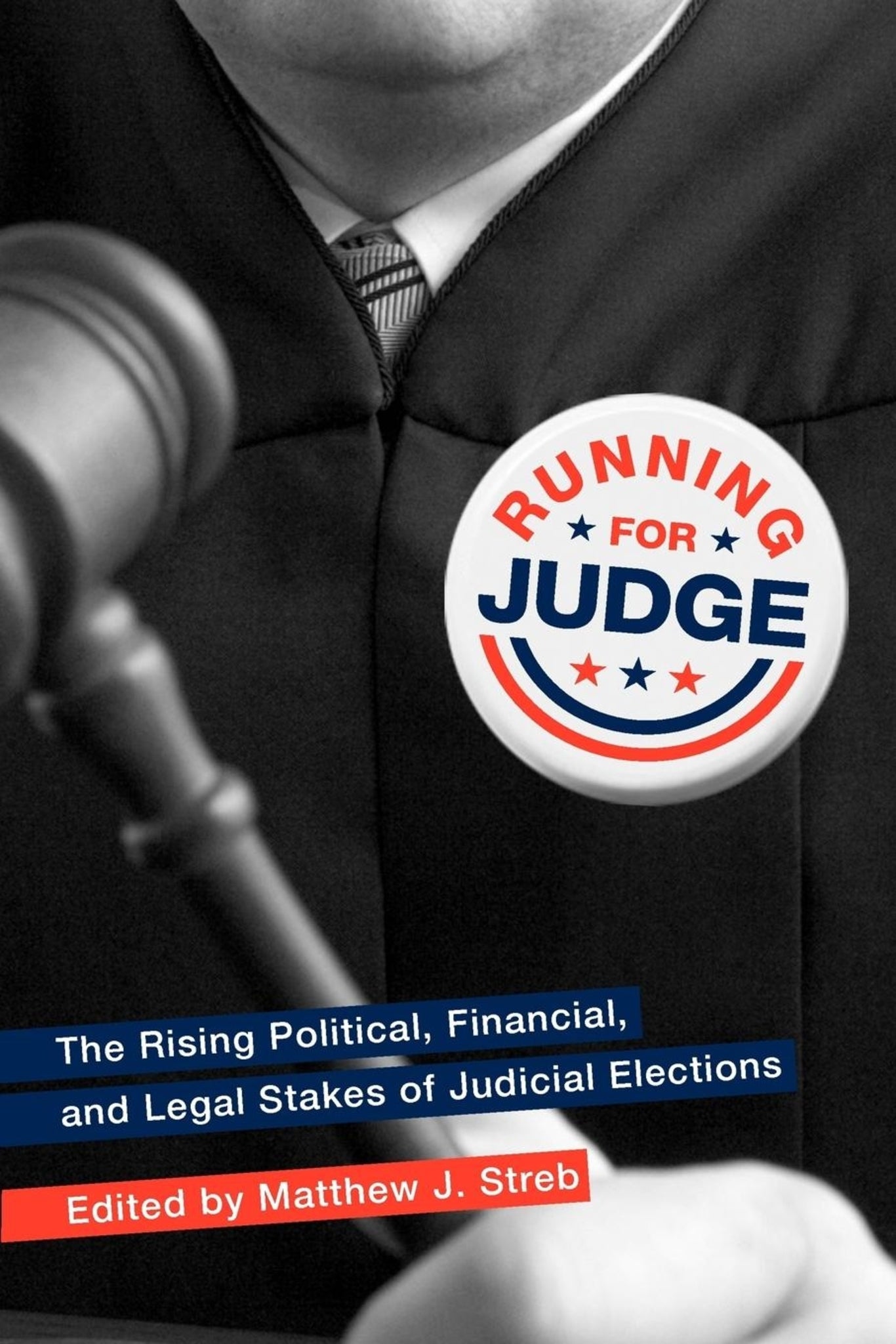
Across the country, races for judgeships are becoming more and more politically contested. As a result, several states and cities are now considering judicial election reform. Running for Judge examines the increasingly contentious judicial elections over the last twenty-five years by providing a timely, insightful analysis of judicial elections. The book ties together the current state of the judicial elections literature, and presents new evidence on a wide range of important topics, including: the history of judicial elections; an understanding of the types of judicial elections; electoral competition during races; the increasing importance of campaign financing; voting in judicial elections; the role interest groups play in supporting candidates; party organizing in supposedly non-partisan elections; judicial accountability; media coverage; and judicial reform of elections.
Running for Judge is an engaging, accessible, empirical analysis of the major issues surrounding judicial elections, with contributions from prominent scholars in the fields of judicial politics, political behavior, and law.
Contributors: Lawrence Baum, Chris W. Bonneau, Brent D. Boyea, Paul Brace, Rachel P. Caufield, Jennifer Segal Diascro, Brian Frederick, Deborah Goldberg, Melinda Gann Hall, Richard L. Hasen, David Klein, Brian F. Schaffner, and Matthew J. Streb.


"For anyone concerned about the independence of state court judges in the wake of recent trends and practices in judicial elections, add to your ‘must read’ list the book Running for Judge."
"Running for Judge is an important source of empirical data about judicial elections. Anyone who studies the topic should have a copy."
"The book does a wonderful job of bringing the different research projects together. All the chapters provide detailed and timely information in an effort to explain recent developments in judicial elections. . . . This is a comprehensive, well-written book."
"Provides strong empirical support for that common knowledge that is gained from experience in the judicialarena. . . . A book that cannot be ignored."