


Some error occured while loading the Quick View. Please close the Quick View and try reloading the page.
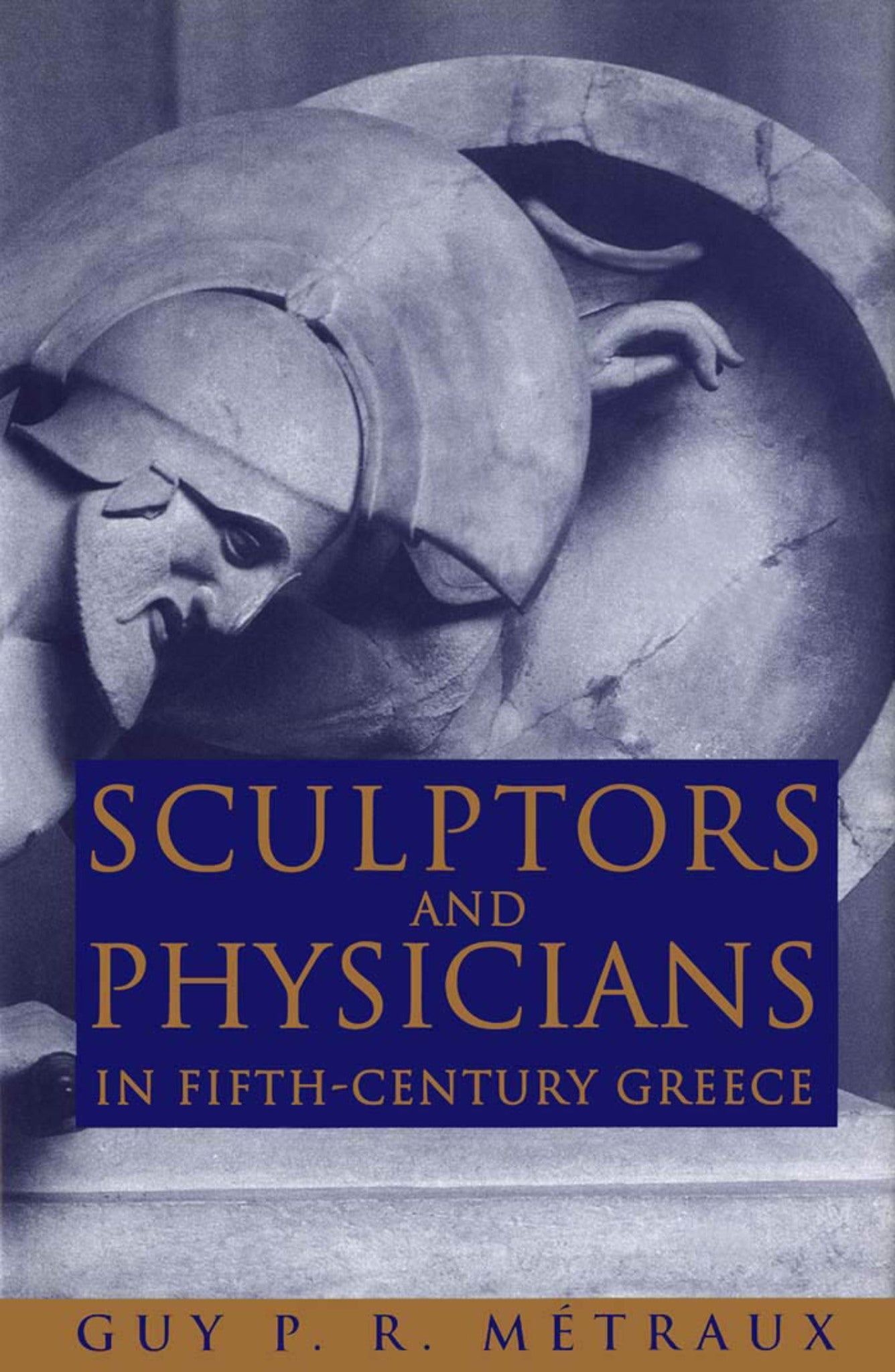
Greek sculpture changed radically in the early classical period, becoming much more lifelike. At the same time physicians such as Hippocrates were developing new ideas about human life and health, and philosophers were rethinking their attitudes about nature. Sculptors and Physicians in Fifth-Century Greece is an investigation of how sculptors, physicians, and philosophers interacted at a time crucial to the formation of classical art.
Exploring this interplay, Guy Métraux shows how the depiction of physiological processes gave statues and reliefs their animating force and how many medical and philosophical speculations about the body were derived from depictions in art. He examines works such as the Omphalos Apollo, the relief of the Girl with Doves from Paros, and the recently discovered two bronze warriors from Riace, paying particular attention to developments in the depiction of breathing, blood vessels, and facial expression, to attempts to show actual or potential motion, and to the invention of contrapposto (asymmetry of stance).
Sculptors and Physicians in Fifth-Century Greece is a fascinating examination of the interaction between art and ideas in Greek intellectual life.

