


Some error occured while loading the Quick View. Please close the Quick View and try reloading the page.
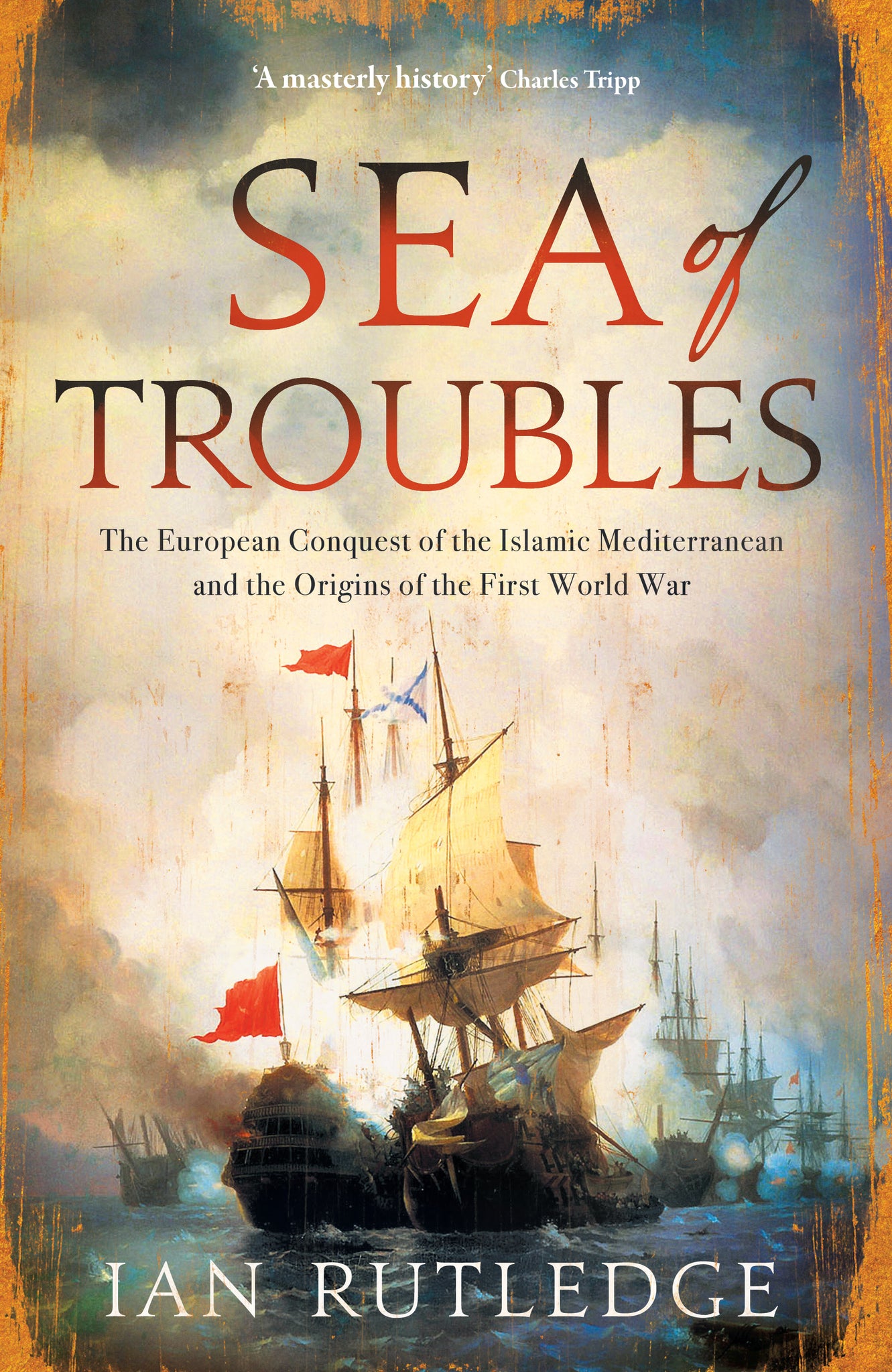
In the second half of the eighteenth century, approximately three quarters of the Mediterranean coastline and its hinterlands were controlled by a vast Islamic power, the centuries-old Ottoman Empire. However, by the end of the First World War in November 1918, this great civilization-once regarded by Christian Europe with awe and fear-had been completely subjugated, its territories occupied by European powers.
The history of imperialism in the Mediterranean involves not one but six European powers-Britain, France, Italy, Spain, Austria-Hungary, and Russia- jostling for control of the trade, lands, and wealth of those they saw as the existential “other.” The competition between these states made their conquest of the Islamic Mediterranean a far more difficult and extended task than they encountered elsewhere in the world. Yet, as new contenders entered the contest, and as the rivalries in the Mediterranean intensified in the early twentieth century, events would spiral out of control as the continent headed towards the First World War.
Set against a background of intense imperial rivalry, Sea of Troubles is the first definitive account of the European conquest of the Levant and North Africa in the last three centuries.
The history of imperialism in the Mediterranean involves not one but six European powers-Britain, France, Italy, Spain, Austria-Hungary, and Russia- jostling for control of the trade, lands, and wealth of those they saw as the existential “other.” The competition between these states made their conquest of the Islamic Mediterranean a far more difficult and extended task than they encountered elsewhere in the world. Yet, as new contenders entered the contest, and as the rivalries in the Mediterranean intensified in the early twentieth century, events would spiral out of control as the continent headed towards the First World War.
Set against a background of intense imperial rivalry, Sea of Troubles is the first definitive account of the European conquest of the Levant and North Africa in the last three centuries.

Price: $35.00
Pages: 576
Publisher: Saqi Books
Imprint: Saqi Books
Publication Date:
January 30, 2024
Trim Size: 9.21 X 6.02 in
ISBN: 9780863569500
Format: Hardcover
BISACs:
HISTORY / Middle East / General, Military history, HISTORY / Modern / 19th Century, HISTORY / Europe / General, HISTORY / Military / World War I, HISTORY / Military / Naval, Naval forces & warfare, First World War, Colonialism & imperialism

Praise for Enemy on the Euphrates
‘Enemy on the Euphrates is that rare treasure that combines a fascinating account of important historical events with penetrating geopolitical analysis. Anyone seeking an understanding of the role of oil in shaping modern Middle Eastern history will want to read this book.’ Michael Klare, author of The Race for What's Left: The Global Scramble for the World's Last Resources
‘Enemy on the Euphrates is a lively and well-researched account of the events leading up to the Iraqi ‘revolution’ of 1920, using a number of hitherto unused British and Arabic sources. The leading Arab and British personalities are well-drawn, and the narrow moral universe of the British administrators is especially well portrayed. The description of the military campaign is masterful, and the narrative of the campaign maintains a high level of suspense.’ Peter Sluglett, author of Britain in Iraq: Contriving King and Country
‘Ian Rutledge’s brilliant book reveals the folly and delusion of invading Iraq. Read it and shudder’ Nicholas Rankin, author of Churchill’s Wizards: The British Genius for Deception 1914–1945
‘Fascinating, lively and very readable … This gripping narrative brings to life the human side of these violent events and of the developments that preceded them through some vivid descriptions and highly relevant anecdotes’ Charles Tripp, author of The Power and the People: Paths of Resistance in the Middle East
‘Material with acute relevance to the crisis now tearing Iraq to pieces’ Robert Fisk, Independent
‘Readers will find plenty of food for thought in Ian Rutledge’s well-crafted and lively account ... This timely book delves into the early, troubled history of British controlled Iraq … While offering abundant detail on military operations, lines of communications and warfare tactics, Enemy on the Euphrates also makes for a very lively and human-centred read of imperial history. Populated by a remarkable crowd of spies, diplomats, soldiers, clerics and tribal leaders, Rutledge’s account displays a novelist’s taste for intrigue, espionage, gunboat diplomacy, personal hardship and murder.’ BBC History Magazine
‘Rutledge does an excellent job of conveying the logistical difficulties confronting any military leadership ... deserving of a wide readership’ Middle East Journal
‘A vivid book … an excellently produced book that admirably succeeds in illuminating an important episode in British imperial history’ History Today
‘Compelling, rich with such colorful personalities as Winston Churchill, Gertrude Bell and T. E. Lawrence’ Saudi Aramco World
‘Well-researched, well-written and very useful contribution to the understanding of modern Iraq’ Middle East Media and Book Reviews Online
‘Timely and rich in detail … highly readable, lively and dramatic. [Rutledge] presents fascinating accounts of the main British and Iraqi personalities involved in the narrative’ al-Hayat
‘A timely reminder of how we got here … an important book’ The National
‘Exhaustive and very readable … [Rutledge] succeeds in imparting an understanding of why relations between the Arabs and the West remain fraught to this day’ Asian Review of Books
‘Enemy on the Euphrates is that rare treasure that combines a fascinating account of important historical events with penetrating geopolitical analysis. Anyone seeking an understanding of the role of oil in shaping modern Middle Eastern history will want to read this book.’ Michael Klare, author of The Race for What's Left: The Global Scramble for the World's Last Resources
‘Enemy on the Euphrates is a lively and well-researched account of the events leading up to the Iraqi ‘revolution’ of 1920, using a number of hitherto unused British and Arabic sources. The leading Arab and British personalities are well-drawn, and the narrow moral universe of the British administrators is especially well portrayed. The description of the military campaign is masterful, and the narrative of the campaign maintains a high level of suspense.’ Peter Sluglett, author of Britain in Iraq: Contriving King and Country
‘Ian Rutledge’s brilliant book reveals the folly and delusion of invading Iraq. Read it and shudder’ Nicholas Rankin, author of Churchill’s Wizards: The British Genius for Deception 1914–1945
‘Fascinating, lively and very readable … This gripping narrative brings to life the human side of these violent events and of the developments that preceded them through some vivid descriptions and highly relevant anecdotes’ Charles Tripp, author of The Power and the People: Paths of Resistance in the Middle East
‘Material with acute relevance to the crisis now tearing Iraq to pieces’ Robert Fisk, Independent
‘Readers will find plenty of food for thought in Ian Rutledge’s well-crafted and lively account ... This timely book delves into the early, troubled history of British controlled Iraq … While offering abundant detail on military operations, lines of communications and warfare tactics, Enemy on the Euphrates also makes for a very lively and human-centred read of imperial history. Populated by a remarkable crowd of spies, diplomats, soldiers, clerics and tribal leaders, Rutledge’s account displays a novelist’s taste for intrigue, espionage, gunboat diplomacy, personal hardship and murder.’ BBC History Magazine
‘Rutledge does an excellent job of conveying the logistical difficulties confronting any military leadership ... deserving of a wide readership’ Middle East Journal
‘A vivid book … an excellently produced book that admirably succeeds in illuminating an important episode in British imperial history’ History Today
‘Compelling, rich with such colorful personalities as Winston Churchill, Gertrude Bell and T. E. Lawrence’ Saudi Aramco World
‘Well-researched, well-written and very useful contribution to the understanding of modern Iraq’ Middle East Media and Book Reviews Online
‘Timely and rich in detail … highly readable, lively and dramatic. [Rutledge] presents fascinating accounts of the main British and Iraqi personalities involved in the narrative’ al-Hayat
‘A timely reminder of how we got here … an important book’ The National
‘Exhaustive and very readable … [Rutledge] succeeds in imparting an understanding of why relations between the Arabs and the West remain fraught to this day’ Asian Review of Books
Epigraph
Preface
PART ONE c.1750 – 1830
Chapter 1: Islam, Christian Europe and the Mediterranean: Social Structures, Incomes, Living Standards and the Role of Religion
Chapter 2: Islam, Christian Europe and the Mediterranean: the Ottoman ‘Economic Mind’, Industry and Trade
Chapter 3: At the Gateway to the Mediterranean: Britain and the ‘Empire’ of Morocco
Chapter 4: State, land and taxation: the fiscal crisis of the Ottoman system
Chapter 5: The Ottoman Regencies and the Barbary Corsairs
Chapter 6: The Russians in the Mediterranean
Chapter 7: Ottoman Egypt: the Empire Fraying at the Edges
Chapter 8: A Spanish Disaster
Chapter 9: ‘Liberating the Egyptians’: the Origins of French Republican Imperialism
Chapter 10: The French in Egypt: from Military Victory to Colonial failure
Chapter 11: The Troubled beginnings of Britain’s ‘Blue-Water Empire’
Chapter 12: The Beginning of the end for the Ottoman Regencies
PART TWO 1830 – c1870
Chapter 13: The Multiple Crises of Mahmud II
Chapter 14: The French Invasion of the Regency of Algiers and the growth of the Resistance 1830-36.
Chapter 15: Saving the Sultans
Chapter 16: Algérie Francaise, Morocco, Britain and the defeat of the Resistance
Chapter 17: Syria, Suez and the France’s Second Imperial Venture in the Eastern Mediterranean
Chapter 18: The Industrialised and the Non-Industrialised
PART THREE c.1870 – c.1900
Chapter 19: The Age of the Rentiers
Chapter 20: The Bailiffs arrive
Chapter 21: The slow death of the ‘Empire’ of Morocco
PART FOUR c.1900 – 1918
Chapter 22: Imperialist Realignment and the French Intervention in Morocco
Chapter 23: Imperialism on the Northern Shore: Austria-Hungary and Bosnia-Herzegovina
Chapter 24: From Mediterranean Imperialism to World War: Morocco, Libya and the Southern Balkans
Postscript
Notes
Bibliography
Index
Preface
PART ONE c.1750 – 1830
Chapter 1: Islam, Christian Europe and the Mediterranean: Social Structures, Incomes, Living Standards and the Role of Religion
Chapter 2: Islam, Christian Europe and the Mediterranean: the Ottoman ‘Economic Mind’, Industry and Trade
Chapter 3: At the Gateway to the Mediterranean: Britain and the ‘Empire’ of Morocco
Chapter 4: State, land and taxation: the fiscal crisis of the Ottoman system
Chapter 5: The Ottoman Regencies and the Barbary Corsairs
Chapter 6: The Russians in the Mediterranean
Chapter 7: Ottoman Egypt: the Empire Fraying at the Edges
Chapter 8: A Spanish Disaster
Chapter 9: ‘Liberating the Egyptians’: the Origins of French Republican Imperialism
Chapter 10: The French in Egypt: from Military Victory to Colonial failure
Chapter 11: The Troubled beginnings of Britain’s ‘Blue-Water Empire’
Chapter 12: The Beginning of the end for the Ottoman Regencies
PART TWO 1830 – c1870
Chapter 13: The Multiple Crises of Mahmud II
Chapter 14: The French Invasion of the Regency of Algiers and the growth of the Resistance 1830-36.
Chapter 15: Saving the Sultans
Chapter 16: Algérie Francaise, Morocco, Britain and the defeat of the Resistance
Chapter 17: Syria, Suez and the France’s Second Imperial Venture in the Eastern Mediterranean
Chapter 18: The Industrialised and the Non-Industrialised
PART THREE c.1870 – c.1900
Chapter 19: The Age of the Rentiers
Chapter 20: The Bailiffs arrive
Chapter 21: The slow death of the ‘Empire’ of Morocco
PART FOUR c.1900 – 1918
Chapter 22: Imperialist Realignment and the French Intervention in Morocco
Chapter 23: Imperialism on the Northern Shore: Austria-Hungary and Bosnia-Herzegovina
Chapter 24: From Mediterranean Imperialism to World War: Morocco, Libya and the Southern Balkans
Postscript
Notes
Bibliography
Index