


Some error occured while loading the Quick View. Please close the Quick View and try reloading the page.
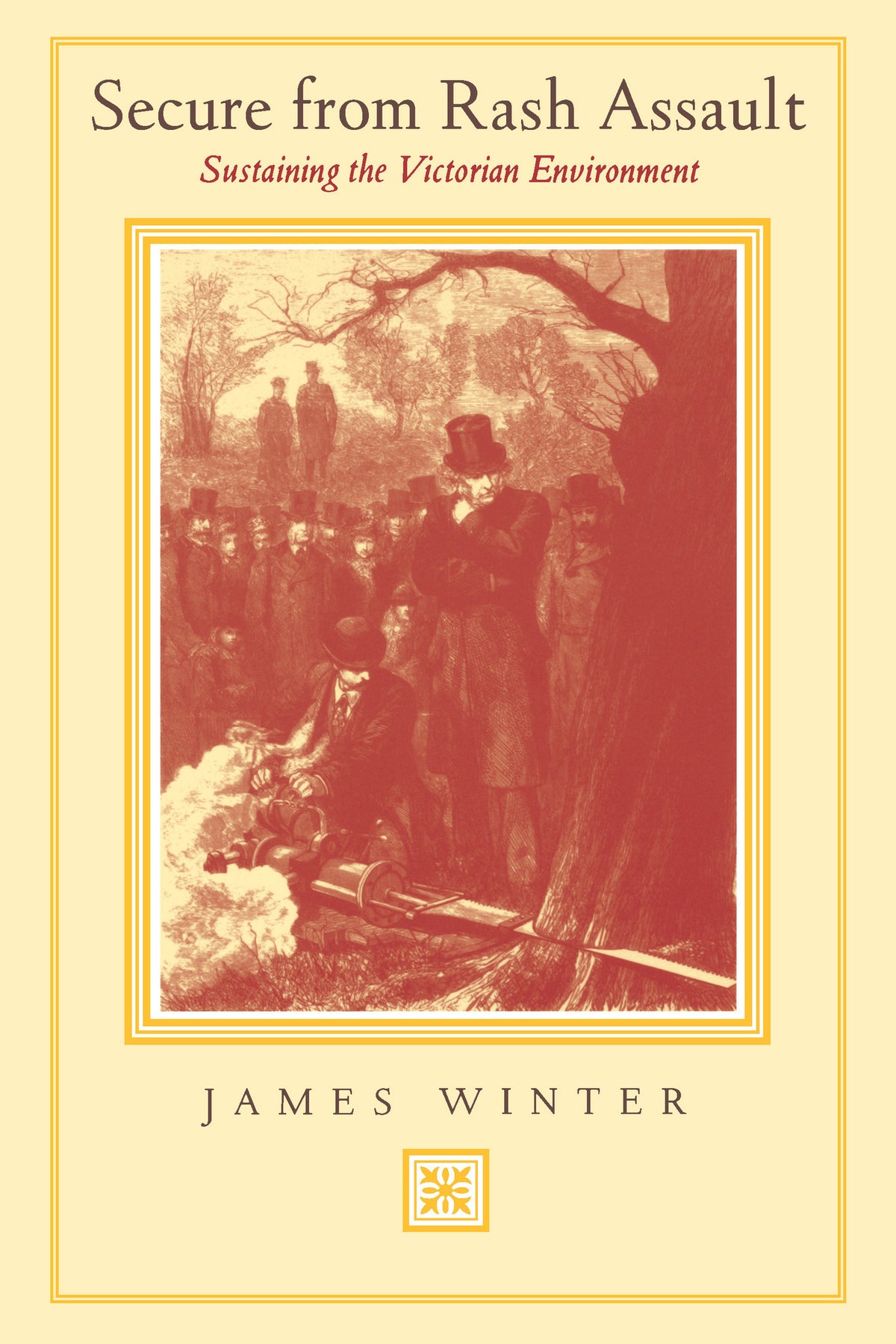
Nineteenth-century Britain led the world in technological innovation and urbanization, and unprecedented population growth contributed as well to the "rash assault," to quote Wordsworth, on Victorian countrysides. Yet James Winter finds that the British environment was generally spared widespread ecological damage.
Drawing from a remarkable variety of sources and disciplines, Winter focuses on human intervention as it not only destroyed but also preserved the physical environment. Industrial blight could be contained, he says, because of Britain's capacity to import resources from elsewhere, the conservative effect of the estate system, and certain intrinsic limitations of steam engines. The rash assault was further blunted by traditional agricultural practices, preservation of forests, and a growing recreation industry that favored beloved landscapes. Winter's illumination of Victorian attitudes toward the exploitation of natural resources offers a valuable preamble to ongoing discussions of human intervention in the environment.
Nineteenth-century Britain led the world in technological innovation and urbanization, and unprecedented population growth contributed as well to the "rash assault," to quote Wordsworth, on Victorian countrysides. Yet James Winter finds that the British e
Drawing from a remarkable variety of sources and disciplines, Winter focuses on human intervention as it not only destroyed but also preserved the physical environment. Industrial blight could be contained, he says, because of Britain's capacity to import resources from elsewhere, the conservative effect of the estate system, and certain intrinsic limitations of steam engines. The rash assault was further blunted by traditional agricultural practices, preservation of forests, and a growing recreation industry that favored beloved landscapes. Winter's illumination of Victorian attitudes toward the exploitation of natural resources offers a valuable preamble to ongoing discussions of human intervention in the environment.
Nineteenth-century Britain led the world in technological innovation and urbanization, and unprecedented population growth contributed as well to the "rash assault," to quote Wordsworth, on Victorian countrysides. Yet James Winter finds that the British e

Price: $33.95
Pages: 353
Publisher: University of California Press
Imprint: University of California Press
Publication Date:
16 July 1999
ISBN: 9780520927209
Format: eBook

Preface
Introduction
1. Innovation and Continuity
2. The Cultural Landscape
3. Lowland Fields
4. Upland Moors
5. Woods and Trees
6. Cutting New Channels
7. Holes
8. Heaps
9. The City in the Country
10. Greening the City
11. The Environment of Leisure
12. The Hungry Ocean
Conclusion
Introduction
1. Innovation and Continuity
2. The Cultural Landscape
3. Lowland Fields
4. Upland Moors
5. Woods and Trees
6. Cutting New Channels
7. Holes
8. Heaps
9. The City in the Country
10. Greening the City
11. The Environment of Leisure
12. The Hungry Ocean
Conclusion