


Some error occured while loading the Quick View. Please close the Quick View and try reloading the page.
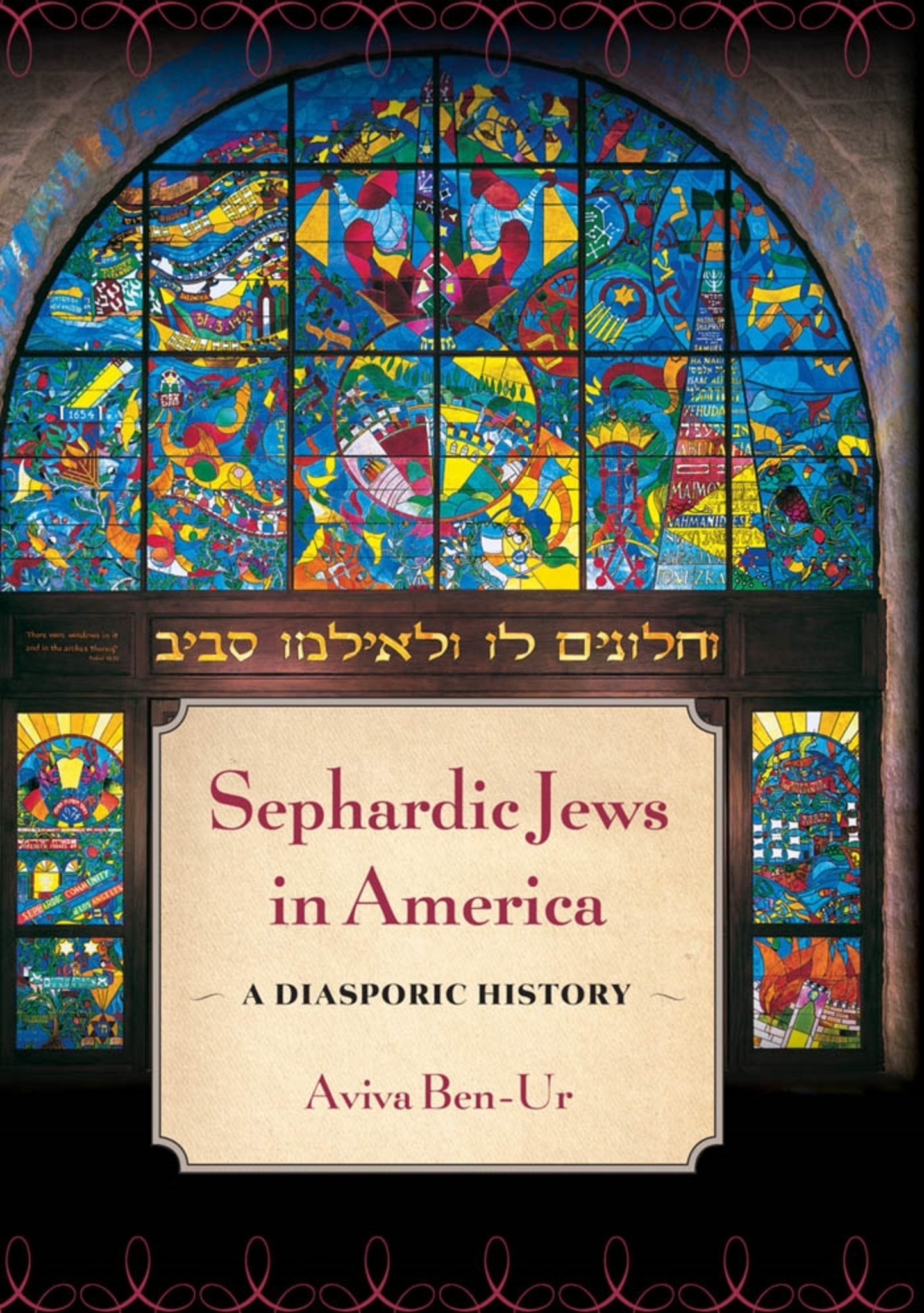
A significant number of Sephardic Jews, tracing their remote origins to Spain and Portugal, immigrated to the United States from Turkey, Greece, and the Balkans from 1880 through the 1920s, joined by a smaller number of Mizrahi Jews arriving from Arab lands. Most Sephardim settled in New York, establishing the leading Judeo-Spanish community outside the Ottoman Empire. With their distinct languages, cultures, and rituals, Sephardim and Arab-speaking Mizrahim were not readily recognized as Jews by their Ashkenazic coreligionists. At the same time, they forged alliances outside Jewish circles with Hispanics and Arabs, with whom they shared significant cultural and linguistic ties.
The failure among Ashkenazic Jews to recognize Sephardim and Mizrahim as fellow Jews continues today. More often than not, these Jewish communities are simply absent from portrayals of American Jewry. Drawing on primary sources such as the Ladino (Judeo-Spanish) press, archival documents, and oral histories, Sephardic Jews in America offers the first book-length academic treatment of their history in the United States, from 1654 to the present, focusing on the age of mass immigration.

