


Some error occured while loading the Quick View. Please close the Quick View and try reloading the page.
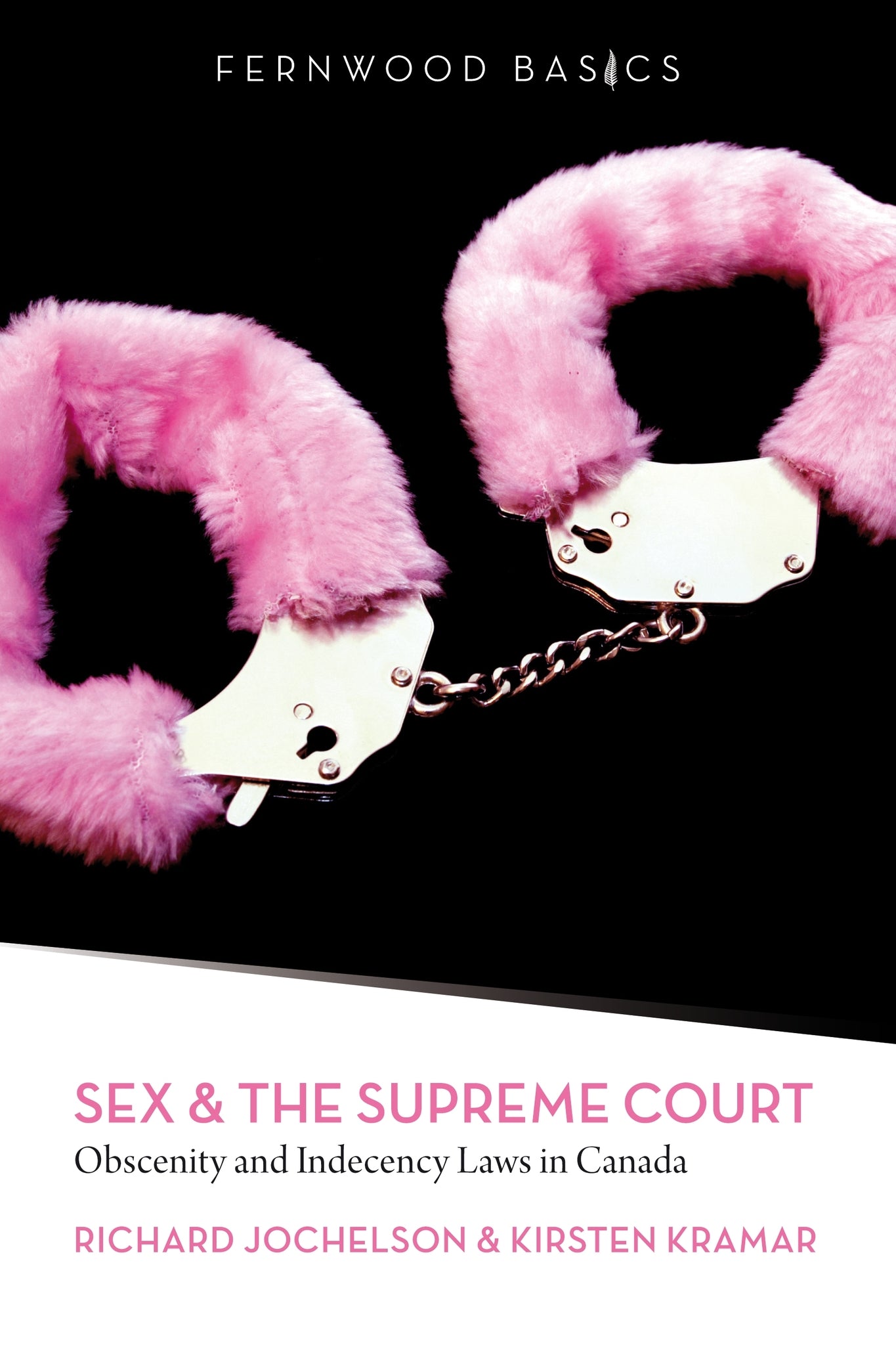
Canadian laws pertaining to pornography and bawdy houses were first developed during the Victorian era, when “non-normative” sexualities were understood as a corruption of conservative morals and harmful to society as a whole. Tracing the socio-legal history of contemporary obscenity and indecency laws, Kramar and Jochelson contend that the law continues to function to protect society from harm. Today, rather than seeing harm to conservative values, the court sees harm to liberal political values. While reforms have been made, especially in light of feminist and queer challenges, Kramar and Jochelson use Foucault’s governmentality framework to show that the liberal harm strategy for governing obscenity and indecency continues to disguise power.
Click here to download the Bedford Addendum.


Richard Jochelson is a professor of criminal justice at the University of Winnipeg. Kirsten
Kramar is a professor of sociology at the University of Winnipeg. She is the author of "Undressing
the Canadian State" and "Unwilling Mothers, Unwanted Babies." They both live in Winnipeg,
Manitoba.
: Introduction
: From Hicklin to Butler (from hick to chic?)
: From Here to Queer: Little Sisters
: Keeping It Close to the Chest: Indecency and Community Standards in Mara and Tremblay
: Taking a Swing at Harm: Labaye
: The Future of Indecency and Obscenity
: Conclusion
: References