


Some error occured while loading the Quick View. Please close the Quick View and try reloading the page.
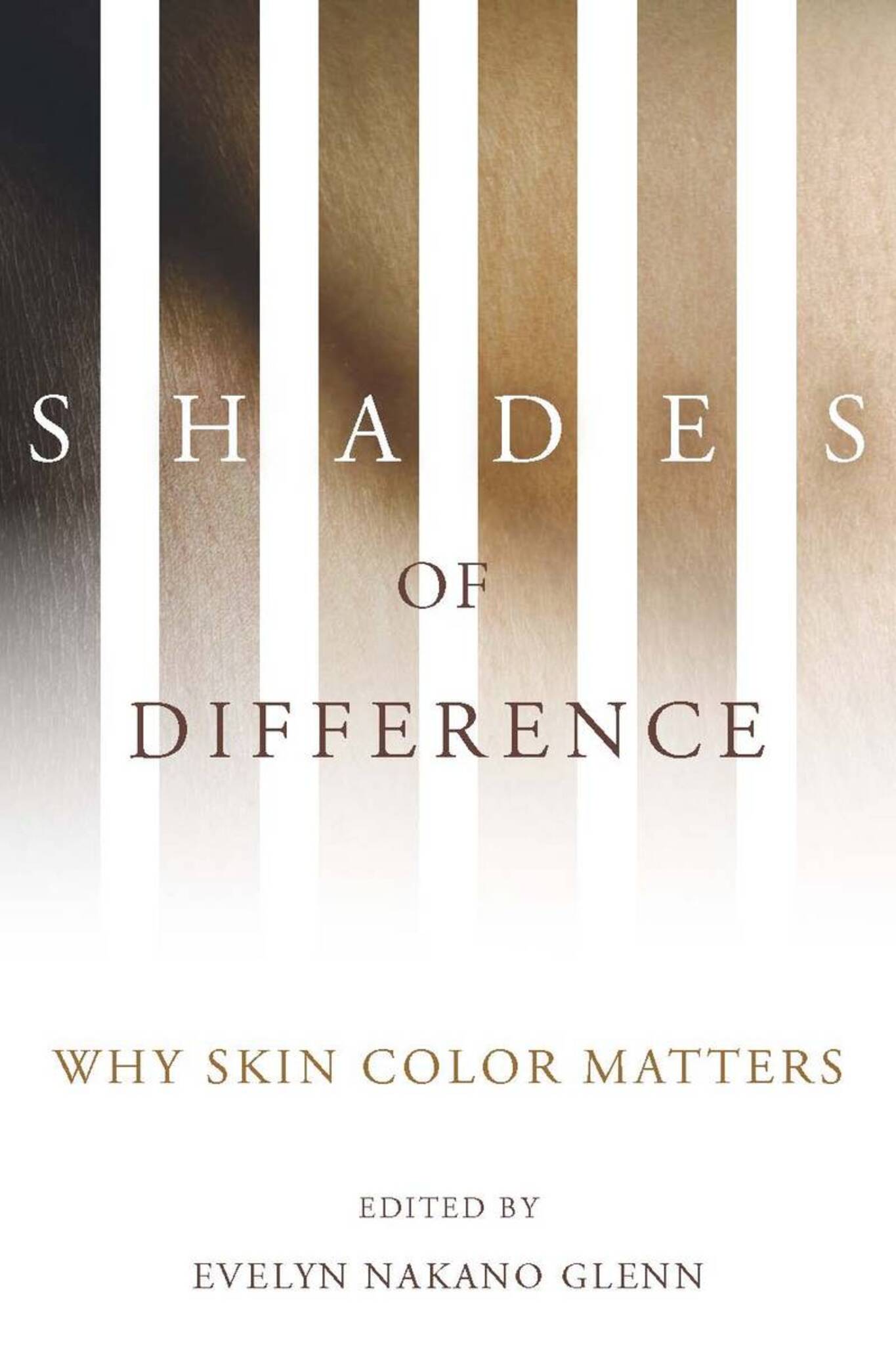
Shades of Difference addresses the widespread but little studied phenomenon of colorism—the preference for lighter skin and the ranking of individual worth according to skin tone. Examining the social and cultural significance of skin color in a broad range of societies and historical periods, this insightful collection looks at how skin color affects people's opportunities in Latin America, Asia, Africa, and North America.
Is skin color bias distinct from racial bias? How does skin color preference relate to gender, given the association of lightness with desirability and beauty in women? The authors of this volume explore these and other questions as they take a closer look at the role Western-dominated culture and media have played in disseminating the ideal of light skin globally. With its comparative, international focus, this enlightening book will provide innovative insights and expand the dialogue around race and gender in the social sciences, ethnic studies, African American studies, and gender and women's studies.


— Bandana Purkayastha
"[T]his is an excellent collection with new findings, important ideas, and moving quotations and illustrations. I recommend it highly."
— Jennifer L. Hochschild
"If you think that there is nothing left to write or read about skin color and human societies, Shades of Difference will change your mind and shake you up."
— Nina G. Jablonski
"Shades of Difference is a distinguished collection that broadens the new area of colorism scholarship to include the national and international class dynamics of why skin color matters. Evelyn Nakano Glenn has brought together diverse authors to capture a range of identities shaped by the national and international politics and economics of skin color. A must read for all concerned with critical race studies."
— Mary Romero