


Some error occured while loading the Quick View. Please close the Quick View and try reloading the page.
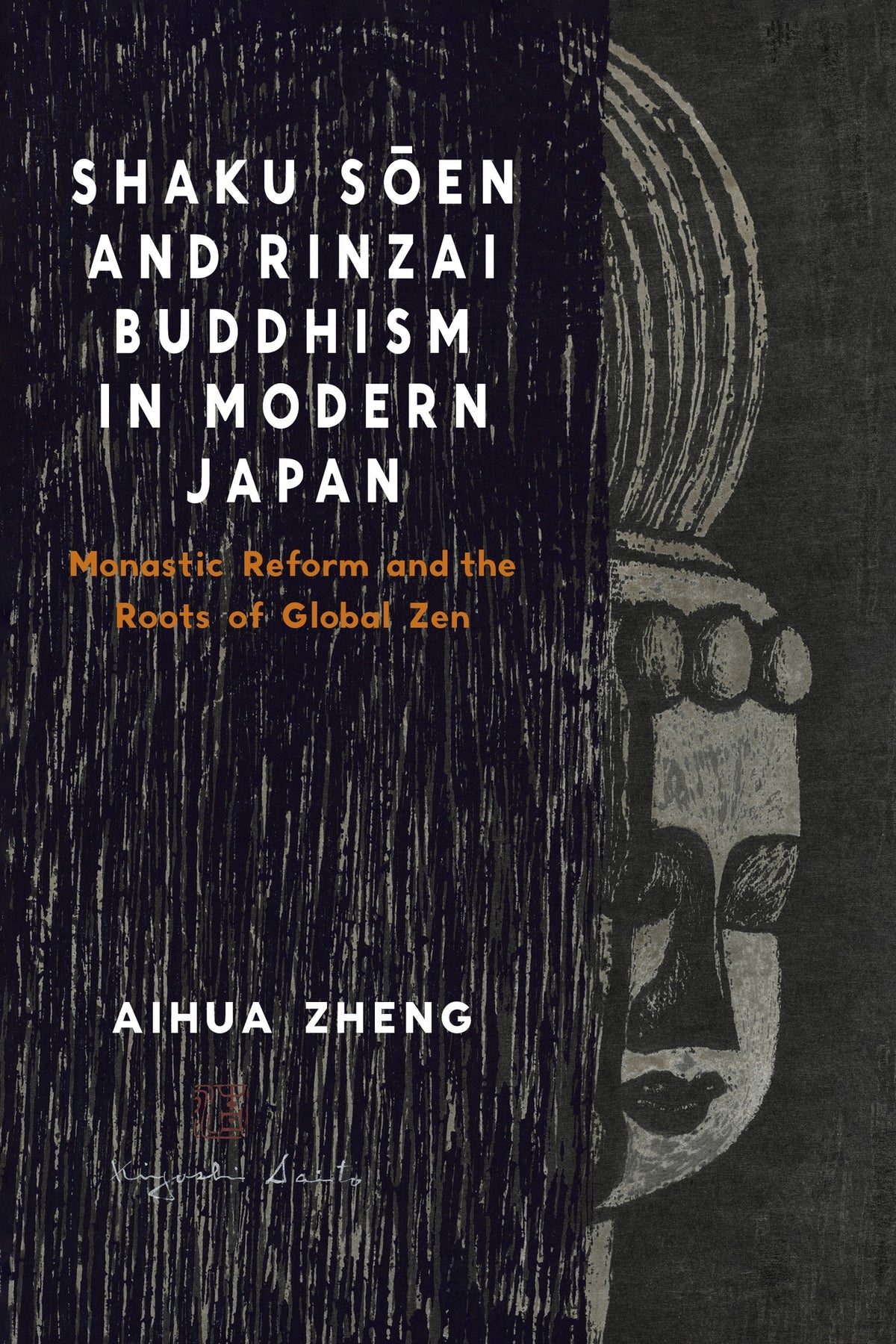
How did Japanese Zen emerge from a secluded feudal tradition to become a vital force in a modern nation-state and colonial empire? How did this transformation help forge a Buddhist world across continents and oceans?
In this landmark study, Aihua Zheng elucidates the career of Zen abbot Shaku Sōen (1860–1919), the foundational figure of Western Zen, alongside modern developments within the Rinzai tradition and monastic institutions. She also traces Japanese Buddhists’ transnational engagements, from pan-Asian exchanges that fueled domestic revivals to collaborations with Theravādins and Vedāntins that introduced Buddhism to Western audiences.
These foundations directly shaped modern Buddhism and the global Zen boom—echoing all the way to figures such as Thich Nhat Hanh—and ultimately explain why Sōen and his Engakuji followers, including D. T. Suzuki, still provoke intense debate over their legacies.


— Steven Heine, author of Dogen: Japan’s Original Zen Teacher
A deeply engaging, insightful, and richly detailed account of a prominent Zen master who envisioned nothing less than a national and global Zen movement. Essential reading for anyone seeking to understand the aspirations, transformations, and global horizons of modern Buddhism.
— Hwansoo Ilmee Kim, author of Empire of the Dharma: Korean and Japanese Buddhism, 1877–1912
Aihua Zheng’s book fills key gaps in our understanding of how Shaku Sōen navigated Japan’s early twentieth-century challenges. With meticulous historical detail, Zheng reveals new dimensions of his travels abroad and encounters, suggesting they shaped Buddhism’s international outreach to this day. This must-read complicates our understanding of Japan’s early globalization.
— Michel Mohr, author of Buddhism, Unitarianism, and the Meiji Competition for Universality
Connecting sweeping institutional transformations to the daily lives of Rinzai monks in Japan and Theravāda communities across Sri Lanka and Thailand, this groundbreaking book reveals how Buddhists engaged sociopolitical forces to navigate modernity. Sketching Shaku Sōen’s influence on Sōtō Zen, Zheng demonstrates the pivotal roles of his disciples in institutionalizing monastic reforms in Japan and building a transnational Zen and Buddhist movement through the twentieth century.
— Joseph Walser, author of Genealogies of Mahāyāna Buddhism: Emptiness, Power and the Question of Origin
Conventions
Introduction
1. Between Enlightenment and Modern Learning
2. Monastic Learning Across the Indian Ocean
3. Buddhist Reform in the Age of Empire
4. Negotiating Asian Buddhism in 1893 Chicago
5. Monastic Governance and Lay Engagement
6. Manchuria and the Second Journey to the West
7. The Abbot’s Return and the Transnational Sangha
Conclusion
Notes
Bibliography
Index