


Some error occured while loading the Quick View. Please close the Quick View and try reloading the page.
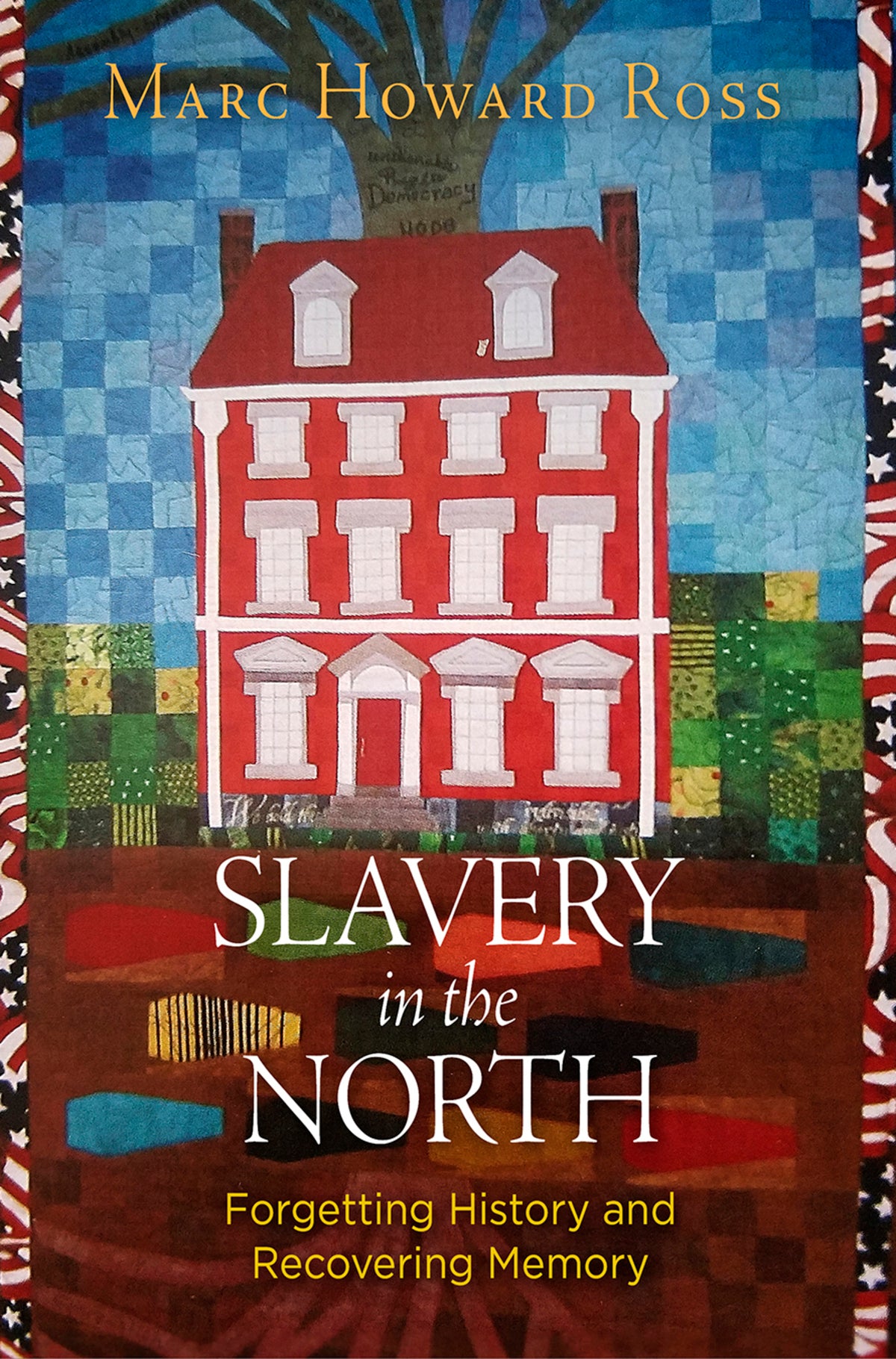
In 2002, we learned that President George Washington had eight (and, later, nine) enslaved Africans in his house while he lived in Philadelphia from 1790 to 1797. The house was only one block from Independence Hall and, though torn down in 1832, it housed the enslaved men and women Washington brought to the city as well as serving as the country's first executive office building. Intense controversy erupted over what this newly resurfaced evidence of enslaved people in Philadelphia meant for the site that was next door to the new home for the Liberty Bell. How could slavery best be remembered and memorialized in the birthplace of American freedom? For Marc Howard Ross, this conflict raised a related and troubling question: why and how did slavery in the North fade from public consciousness to such a degree that most Americans have perceived it entirely as a "Southern problem"?
Although slavery was institutionalized throughout the Northern as well as the Southern colonies and early states, the existence of slavery in the North and its significance for the region's economic development has rarely received public recognition. In Slavery in the North, Ross not only asks why enslavement disappeared from the North's collective memories but also how the dramatic recovery of these memories in recent decades should be understood. Ross undertakes an exploration of the history of Northern slavery, visiting sites such as the African Burial Ground in New York, Independence National Historical Park in Philadelphia, the ports of Rhode Island, old mansions in Massachusetts, prestigious universities, and rediscovered burying grounds. Inviting the reader to accompany him on his own journey of discovery, Ross recounts the processes by which Northerners had collectively forgotten 250 years of human bondage and the recent—and continuing—struggles over recovering, and commemorating, what it entailed.


"[F]ascinating . . . Ross engages with scholarship on collective memory and the sociology of culture in order to understand why the history of northern slavery has been forgotten for so long . . . Ross's book represents a starting, not an ending, point to our understanding of the forgotten past of African-American enslavement in the northern states."
"Slavery in the North is a thoughtful, accessible, and stimulating book. Students and scholars interested in the history of enslavement in the North will be well served by reading this engaging book. This work will also be of particular interest to those interested in the dynamics of contemporary cultural contestations over commemorative sites of slavery, especially those in Philadelphia."
"Slavery in the North examines our collective memory of slavery and enslavement in the North: why and how a widespread and important practice that spanned over two hundred years could be erased from our cultural discourse, and why the recovery of such history has been resisted and fraught with conflict. With race and slavery, and their histories and legacies, very much in the forefront of American cultural and political life today, this is an important book."
Introduction
Chapter 1. Collective Memory
Chapter 2. Surveying Enslavement in the North
Chapter 3. Slavery and Collective Forgetting
Chapter 4. Enslaved Africans in the President's House
Chapter 5. Memorializing the Enslaved on Independence Mall
Chapter 6. The Bench by the Side of the Road
Chapter 7. Burying Grounds
Chapter 8. Overcoming Collective Forgetting
Epilogue
Notes
Works Cited
Index
Acknowledgments