


Some error occured while loading the Quick View. Please close the Quick View and try reloading the page.
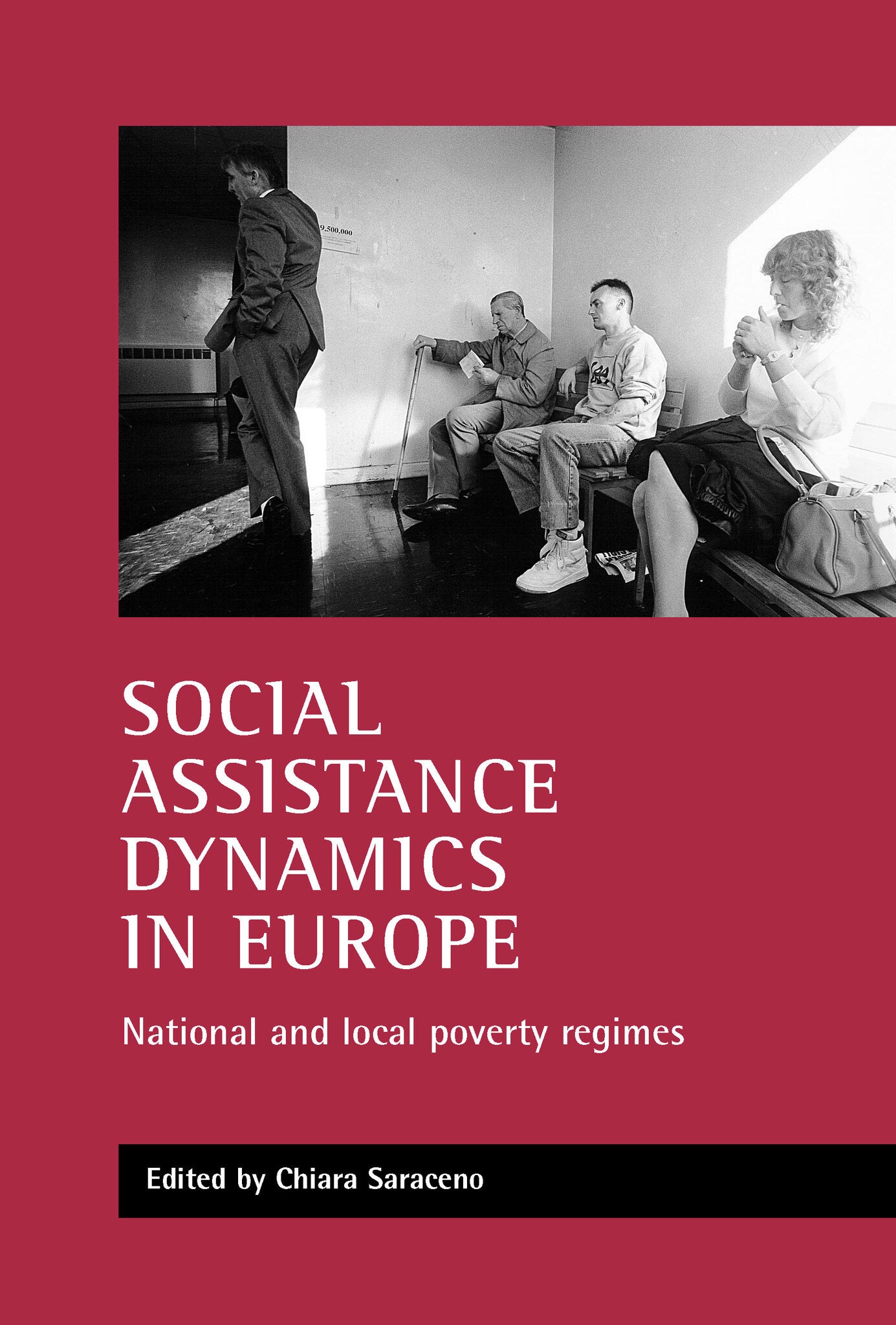
Throughout Europe income support for the poor has become highly controversial. It is often assumed to be not the answer to, but the cause of social exclusion, and is increasingly believed to give rise to welfare dependency.
This book contributes to a more complex understanding of welfare state regimes and welfare recipients in contemporary Europe. Describing social assistance 'careers' in different national and urban contexts, it documents the strong interplay between personal biographies and policy patterns - a particularly useful perspective which complements the more structural, top-down approach of much international work in social policy.
Social assistance dynamics in Europe is unique in comparing a range of northern and southern European countries (Sweden, Germany, France, Italy, Spain and Portugal); in its focus on the actual working of their policies: their set of actors; cultural background; implementation etc. and in its methodological approach, which combines longitudinal analysis with qualitative research.
Academics and students of welfare and poverty, policy makers and social policy evaluators in the public, private and non profit sectors will find this book invaluable.


"... a most valuable sourcebook for anyone working on the problems of poverty and social exclusion." International Sociology
"... daunting complexity is brilliantly managed by first-rate editing and teamwork. One can only guess what price was paid in terms of stressful relationships, but the result is excellent. ... this book shows it is possible to find important themes for comparison; to seek explanations for the differences in a disciplined way; to make the evidence locally specific without getting lost in detail; and to draw out general concepts, which will inform further discussion and eventually may even help to create more equitable services." European Journal of Social Work
"... a remarkable piece of academic work. It provides, combines and analyses data from a variety of sources in a way that is rarely seen in comparative projects: historical data, in-depth qualitative interviews with recipients of social assistance, detailed information at the local and country level and lastly data on social assistance dynamics from eight cities in five European countries. The book is so rich, in methodological approaches, in data, in interpretations and theoretical insights, that a short review can hardly pay it full justice." International Journal of Social Welfare
"... essential reading for anyone interested in the reform of tax and benefits." Citizen's Income Newsletter
"... an original contribution to the understanding of comparative social assistance." Stewart Miller, Honorary Lecturer in Social Policy, School of Social Policy, Sociology and Social Research, University of Kent at Canterbury