


Some error occured while loading the Quick View. Please close the Quick View and try reloading the page.
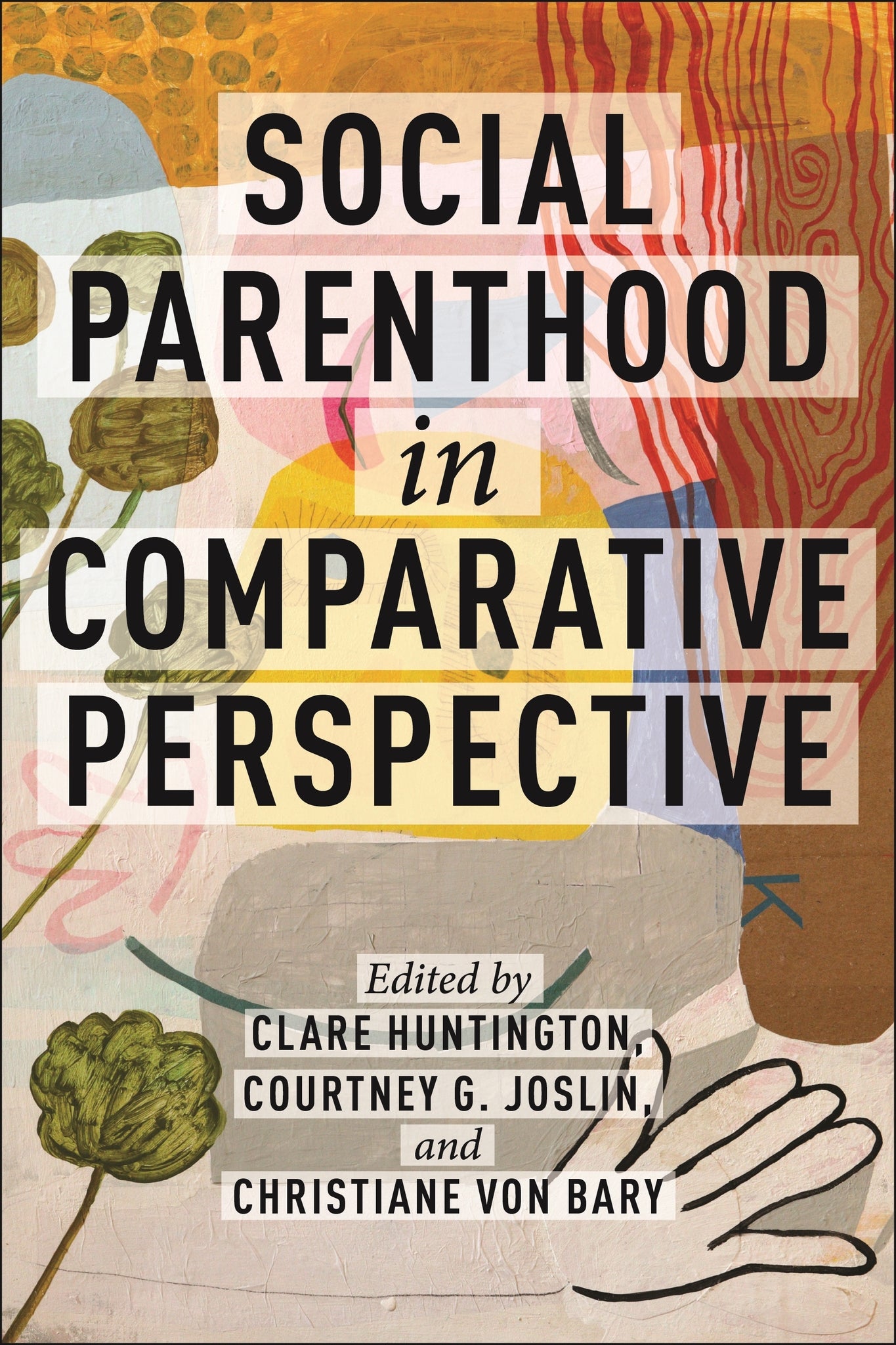
Investigates social parents – people who function as parents but who may not be recognized as such
in the eyes of the law
What makes a person a parent? Around the world, same-sex couples are raising children; parents are separating and re-partnering, creating blended families; and children are living with grandparents, family friends, and other caregivers. In these situations, there is often an adult who acts like a parent but who is unconnected to the child through biogenetics, marriage, or adoption—the common paths for establishing legal parenthood. In many countries, this person is called a “social parent.” Psychologically, and especially from a child’s point of view, a social parent is a parent. But the legal status of a social parent is hotly debated.
Social Parenthood in Comparative Perspective considers how the law does—and how it should—recognize social parenthood. The book begins with a psychological account of social parenthood, establishing the importance of a relationship between a child and a social parent and the harms of not protecting this relationship. It then turns to social scientists to identify and explore some circumstances when a child may have a social parent. And to compare legal responses to social parenthood, the book draws on the expertise of legal scholars in nine countries in North America and Europe. The legal contributors describe the existing laws governing social parents, critique their efficacy, and offer new insights. Though almost all of the countries analyzed have adapted to the new reality of family life by recognizing social parents in some manner, the nature and extent of the recognition varies widely.
The volume concludes by discussing some of the issues flowing from the decision to recognize social parents, including whether social parents should have the same legal rights and responsibilities as other legal parents, whether all social parents must be treated identically, whether the law should limit a child to two parents, and much more. Families are changing, and the law must adapt accordingly. Social Parenthood in Comparative Perspective charts a way forward by offering solutions to help policymakers consider options for addressing social parenthood.


"Social parenthood is one of the most important issues that family law is confronting in countries today. Further, countries are approaching this issue in vastly disparate ways. The contributors present compelling and complementary legal analysis and insights as to how nine countries address social parenthood, underscoring the necessity for law to adjust to new iterations of families."
"By examining across the countries of North America and Europe whether and how laws value those relationships, Social Parenthood in Comparative Perspective makes a unique and long-overdue contribution. Comparing same-sex couples, stepparents, and non-parental primary caregivers within and among countries, this book is an invaluable resource to anyone who thinks about the meaning of family."
"Timely and engaging, the comparative and interdisciplinary aspects of this volume offer many valuable contributions to the ongoing conversation about legal recognition of what the book calls ‘social parents.’ The diverse and impressive contributors make the case for law reform in response to the expanding landscape of parenting."
"Contributors to Huntington, von Bary and Joslin’s volume consider how the law does and does not—and how it should—recognize social parenthood, drawing on the expertise of legal scholars in nine countries in North America and Europe."
"An insightful and important book that examines the position of social parents in an innovative and methodical manner, addressing a crucial gap in contemporary discourses on parenthood... It is a valuable resource for family lawyers, policymakers, academics – and anyone interested as much in understanding better the realities of social parenthood as in dismantling the normative assumptions that still underpin legal and social conceptions of parenthood."
Clare Huntington is the Joseph M. McLaughlin Professor of Law at Fordham Law School and author of Failure to Flourish: How Law Undermines Family Relationships.
Christiane von Bary (Editor)
Christiane von Bary is a Senior Research Fellow at the Institute for International Law, Ludwig Maximilians University of Munich, Germany.
Courtney G. Joslin (Editor)
Courtney G. Joslin is Martin Luther King Jr. Professor of Law at UC Davis School of Law and co-author of Sexuality, Gender and the Law.