


Some error occured while loading the Quick View. Please close the Quick View and try reloading the page.
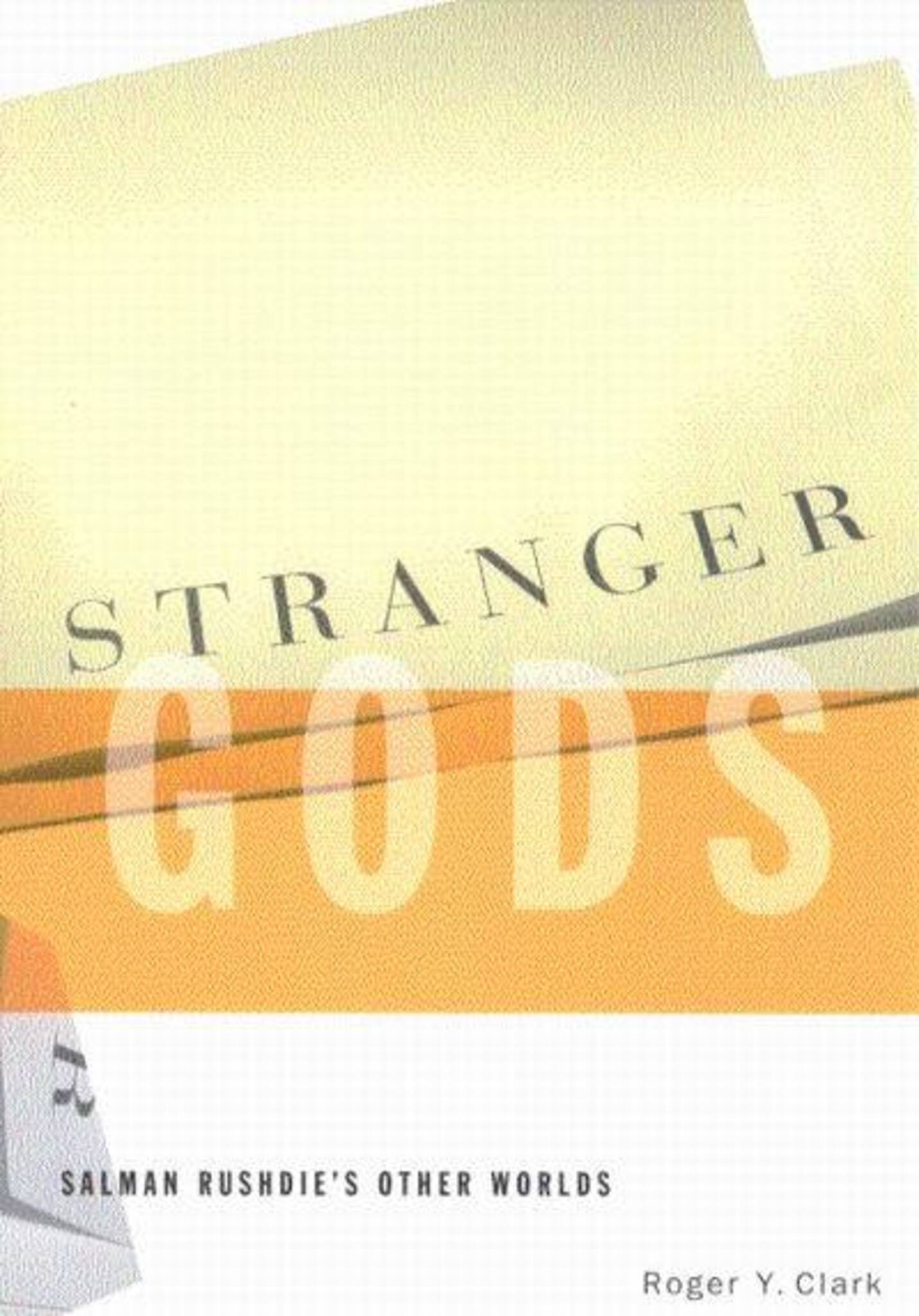
Clark's exploration of Rushdie's novels works on at least three levels. First, he clarifies and interprets Rushdie's often puzzling references to figures such as Loki and Shiva, settings such as the mountains of Qaf and Kailasa, and experiences such as the annihilation of the self and the temptations of the Muslim Devil, Iblis. Second, he demonstrates how otherworldy motifs work with or against each other, fusing or clashing with Dantean, Shakespearean, and other literary forms to create hybrid characters, plots, and themes. Finally, he argues that Rushdie's brutal assault on tradition and taboo is mitigated by his secular idealism and his subtle homage to mystical ideals of the past. This novel interpretation, which presents Rushdie's first five novels as a heterogeneous yet consistent body of work, will challenge and delight not only Rushdie scholars but anyone interested in comparative religion and mythology, iconoclasm, and the interplay of Western and Eastern literary forms.

Price: $37.95
Publisher: McGill-Queen's University Press
Imprint: McGill-Queen's University Press
Publication Date:
09 November 2007
ISBN: 9780773568808
Format: eBook
BISACs:
LITERARY CRITICISM / Middle Eastern, LITERARY CRITICISM / European / English, Irish, Scottish, Welsh

"Stranger Gods is an extraordinary book that will make a substantial contribution to Rushdie studies. What I particularly admire is the elegance and insight of its detailed readings of Rushdie's first four novels. I was astonished at the originality of these readings. No other book takes up the topic of Rushdie's 'otherworldly' allusions with anything like the depth, breadth, and rigour of this one. It sets a new standard for engagement with Rushdie's eclectic cosmologies, in the face of which many critics simply throw up their hands and reach for the more accessible political themes." John Clement Ball, Department of English, University of New Brunswick