Skip to product information
1 of 1

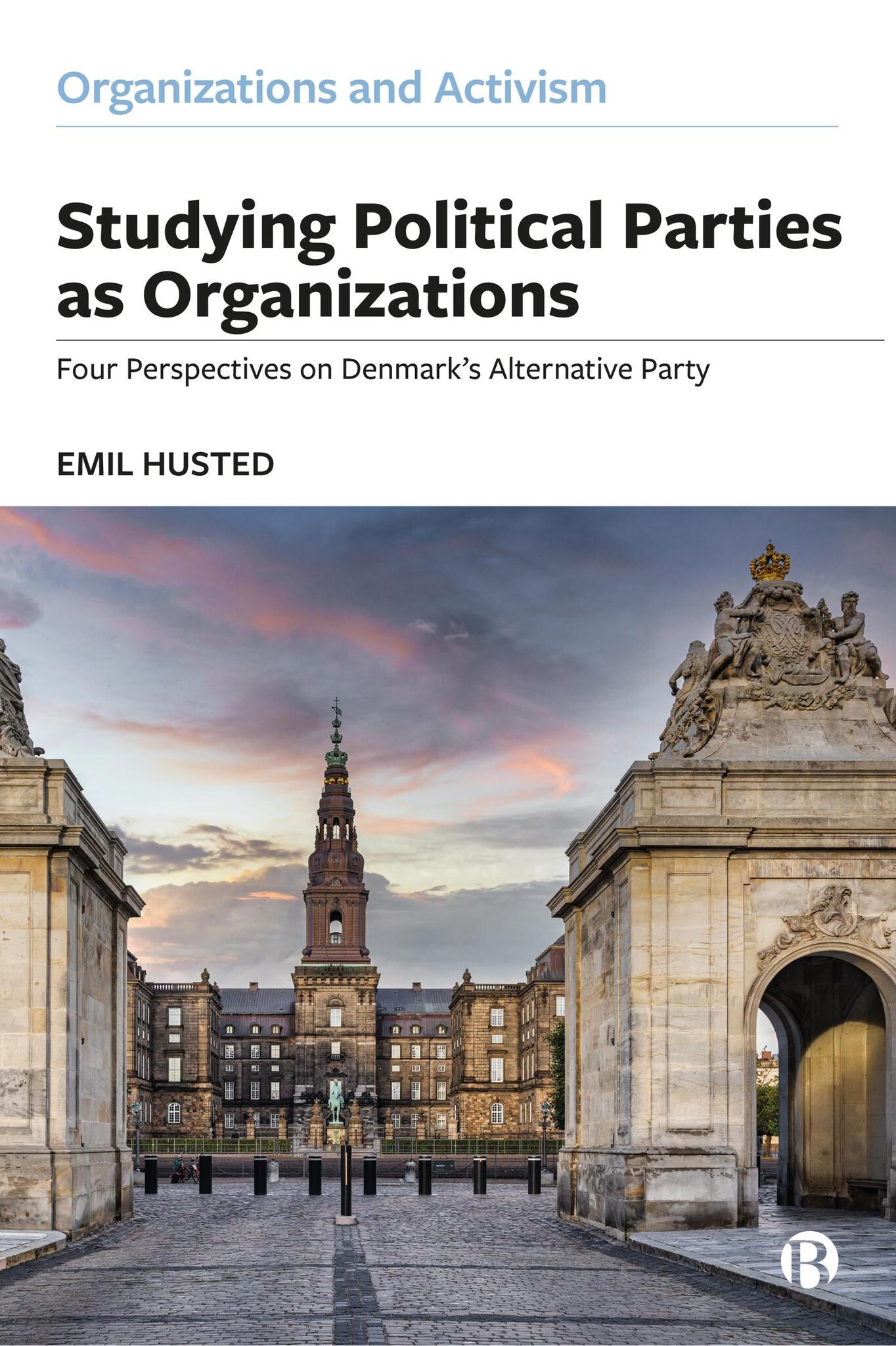
Studying Political Parties as Organizations

Regular price $119.95
Regular price $119.95 Sale price $119.95
Sold out
This book outlines what it means to study political parties as organizations by developing and applying four theoretical perspectives to the case of an unconventional Green party in Denmark called ...
Read More
  • 23 July 2024
View Product Details

This book outlines what it means to study political parties as organizations by developing and applying four theoretical perspectives to the case of an unconventional Green party in Denmark called Alternativet (meaning ‘the alternative’).

Drawing on an ethnographic study, the book tracks the party’s humble origins in 2013 as a social movement through its inaugural term until the 2022 national elections, spotlighting Alternativet's unprecedented organizational dynamics.

By dissecting this ‘party that did not want to be a party’ through classical, configurational, comparative, and cultural lenses, the author opens a new area of enquiry to scholars in organization and management studies.

files/i.png Icon
Price: $119.95
Pages: 280
Publisher: Bristol University Press
Imprint: Bristol University Press
Series: Organizations and Activism
Publication Date: 23 July 2024
ISBN: 9781529211375
Format: Hardcover
BISACs: BUSINESS & ECONOMICS / Organizational Behavior, Organizational theory and behaviour, POLITICAL SCIENCE / Political Process / Political Parties, Political parties and party platforms
REVIEWS Icon
"This is a primer on how party organizations have been studied since the early 1900s and a fascinating foray into the new forms of party organizations today. Its clarity and style makes it a useful tool for teaching. A thought-provoking book for scholars of political organizations and anyone interested in contemporary representative and participatory democracy." Florence Faucher, Sciences Po
Emil Husted is Associate Professor at Copenhagen Business School.

1. Introduction

2. The Classical Perspective

3. Alternativet in Classical Perspective

4. The Configurational Perspective

5. Alternativet in Configurational Perspective

6. The Comparative Perspective

7. Alternativet in Comparative Perspective

8. The Cultural Perspective

9. Alternativet in Cultural Perspective

10. Towards an Eclectic Framework