


Some error occured while loading the Quick View. Please close the Quick View and try reloading the page.
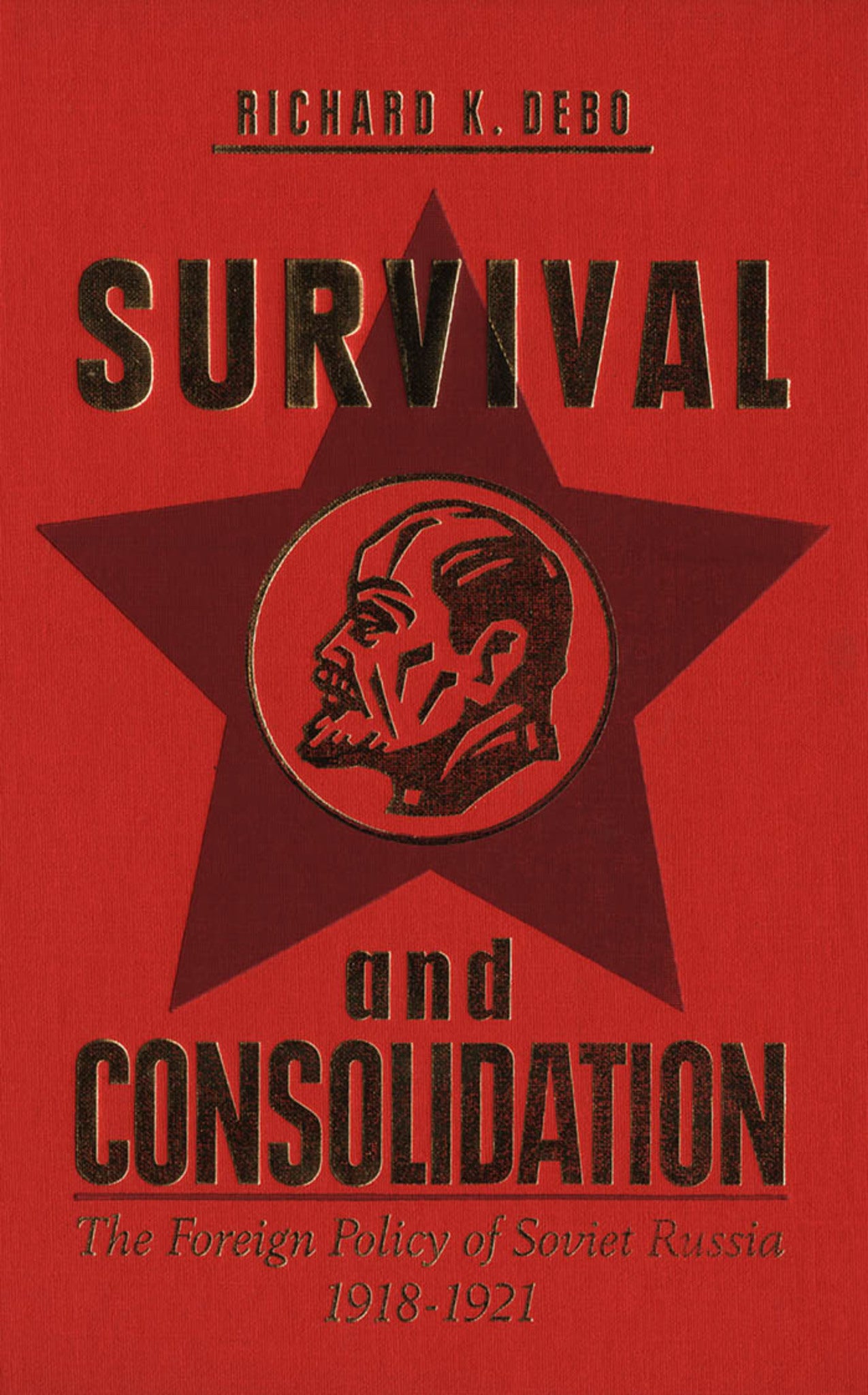


"Comprehensiveness is a great strength of this book. It should become the standard work on the subject for a long time to come. The combination of thorough research and detailed presentation of evidence gives the book real authority, and makes it an invaluable reference work. Another important strength of the work is Debo's exceptional ability to draw together complex strains of policy into clear and simple explanations. This book will be devoured avidly by those who specialize in Soviet foreign policy. It will also be of substantial interest to those in diplomatic history, Soviet studies, or Russian history generally. In fact, anyone interested in the traumatic post-World War I era will find this book useful." Ted Ulricks, Department of History, University of North Carolina at Asheville.
"This work represents a wealth of materials, examined carefully and interpreted wisely. Debo's scholarship is first-class and his effort is tremendous ... this is an invaluable compendium of events and diplomatic manoeuvring." Laurence Black, Centre for Canadian-Soviet Studies, Carleton University.
"Comprehensiveness is a great strength of this book. It should become the standard work on the subject for a long time to come. The combination of thorough research and detailed presentation of evidence gives the book real authority, and makes it an invaluable reference work. Another important strength of the work is Debo's exceptional ability to draw together complex strains of policy into clear and simple explanations. This book will be devoured avidly by those who specialize in Soviet foreign policy. It will also be of substantial interest to those in diplomatic history, Soviet studies, or Russian history generally. In fact, anyone interested in the traumatic post-World War I era will find this book useful." Ted Ulricks, Department of History, University of North Carolina at Asheville. "This work represents a wealth of materials, examined carefully and interpreted wisely. Debo's scholarship is first-class and his effort is tremendous ... this is an invaluable compendium of events and diplomatic manoeuvring." Laurence Black, Centre for Canadian-Soviet Studies, Carleton University.