


Some error occured while loading the Quick View. Please close the Quick View and try reloading the page.
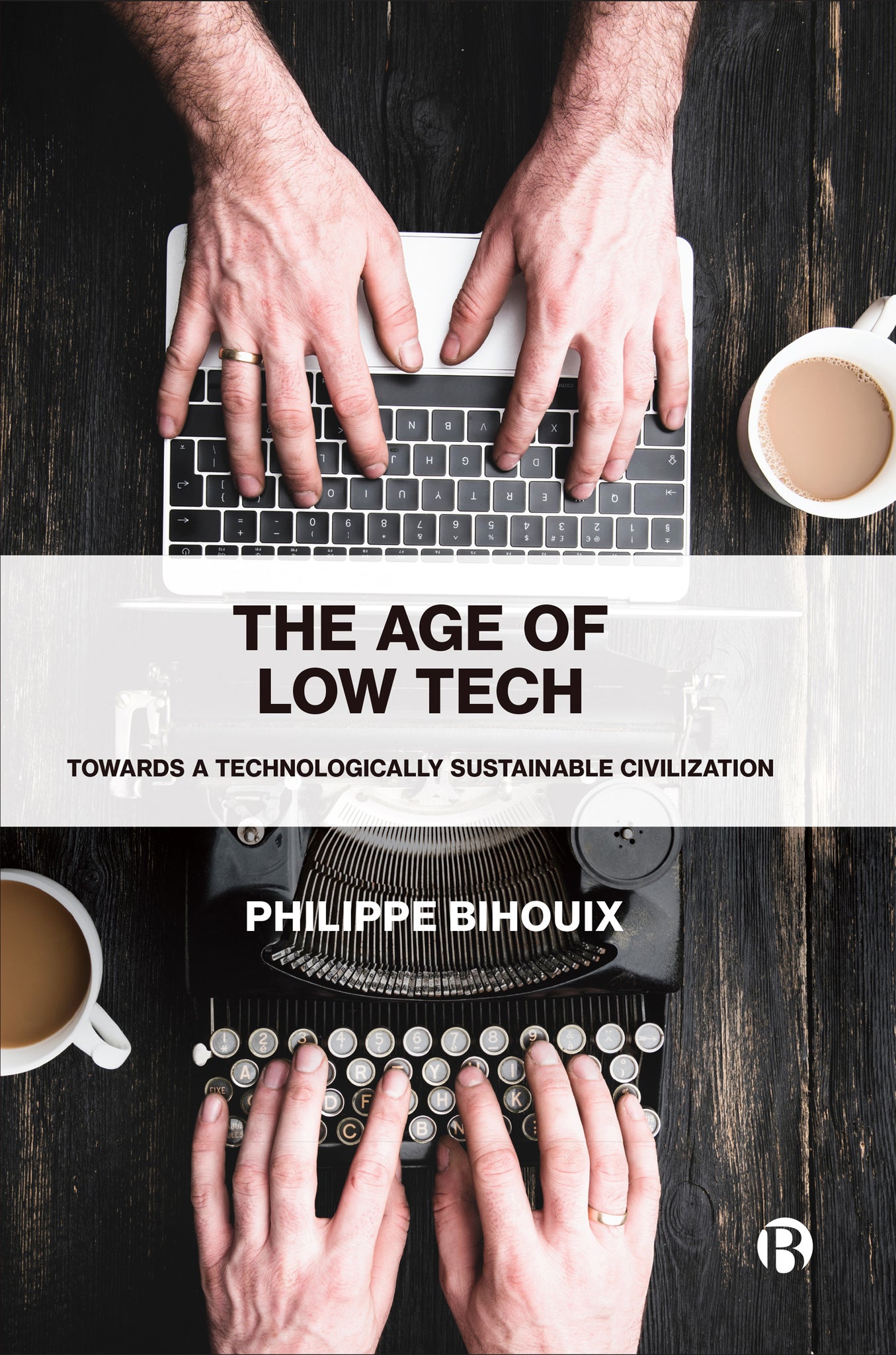
People often believe that we can overcome the profound environmental and climate crises we face by smart systems, green innovations and more recycling. However, the quest for complex technological solutions, which rely on increasingly exotic and scarce materials, makes this unlikely.
A best-seller in France, this English language edition introduces readers to an alternative perspective on how we should be marshalling our resources to preserve the planet and secure our future. Bihouix skilfully goes against the grain to argue that ‘high’ technology will not solve global problems and envisages a different approach to build a more resilient and sustainable society.


Philippe Bihouix is an independent author and engineer. He worked for 25 years in various industrial sectors including construction, energy, chemicals, transport, telecommunications and aerospace, in Europe and Africa.
He is a member of the Institut Momentum, a French think-tank on the Anthropocene, ecological overshoot and transition.
Prologue ~ The mad dance of the shrimps;
Part I ~ The rise and fall of ‘engineering miracle-workers’;
Part II ~ The principles of simple technologies;
Part III ~ Daily life in the era of simple technologies;
Part IV ~ Is ‘transition’ possible?;
Epilogue ~ A dream if there ever was one.