


Some error occured while loading the Quick View. Please close the Quick View and try reloading the page.
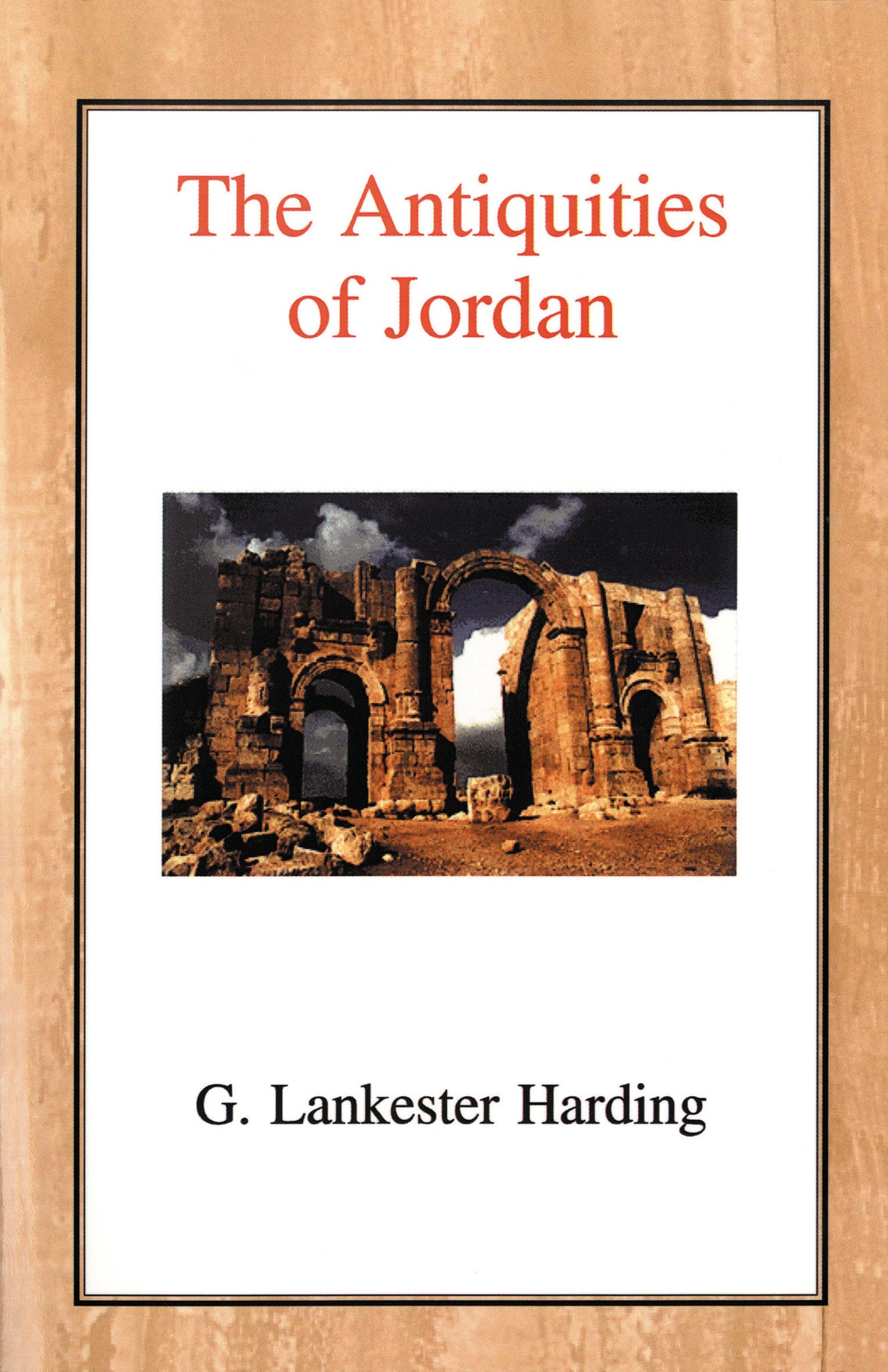
A classic account of the archaeology and antiquities of Jordan, based upon a lifetime's knowledge of the region.
In his classic account of the antiquities of Jordan, Gerald Harding writes with an erudition based upon a lifetimeís knowledge of the region, describing all the major sites of interest in the country. Some of the most remarkable and famous sites in the world, from Petra, the unique Nabataean city hewn from sandstone, to Mafjar, the most elaborately planned and lavishly decorated Umayyad palace in the Middle East, with the largest single area of ancient mosaic in the world, lie within Jordan or the West Bank. Archaeological evidence of human occupation exists from Palaeolithic times until the Bronze Age when much of Jordan's history may be adduced from the stories of the Old Testament. The area was subjugated by the Assyrians, the Persians, the Greeks, and the Arabs whose houses, palaces, theatres and castles often provide the principal surviving evidence of these peoples: Jericho, the oldest city in the world, where remarkable statues of the Pre-Pottery Neolithic period were found; Jerash, a large and comprehensive Roman city on the fringe of the desert, only rediscovered in 1806; huge Crusader castles like Qalat al Rabadh and Shobak; and Khirbat Qumran, site of the Essene settlement and of the Dead Sea Scrolls with whose discovery the author was intimately involved. The Antiquities of Jordan remains an invaluable and absorbing guide for students of Middle Eastern archaeology, as well as for those who know Jordan or who wish to visit the country.
In his classic account of the antiquities of Jordan, Gerald Harding writes with an erudition based upon a lifetimeís knowledge of the region, describing all the major sites of interest in the country. Some of the most remarkable and famous sites in the world, from Petra, the unique Nabataean city hewn from sandstone, to Mafjar, the most elaborately planned and lavishly decorated Umayyad palace in the Middle East, with the largest single area of ancient mosaic in the world, lie within Jordan or the West Bank. Archaeological evidence of human occupation exists from Palaeolithic times until the Bronze Age when much of Jordan's history may be adduced from the stories of the Old Testament. The area was subjugated by the Assyrians, the Persians, the Greeks, and the Arabs whose houses, palaces, theatres and castles often provide the principal surviving evidence of these peoples: Jericho, the oldest city in the world, where remarkable statues of the Pre-Pottery Neolithic period were found; Jerash, a large and comprehensive Roman city on the fringe of the desert, only rediscovered in 1806; huge Crusader castles like Qalat al Rabadh and Shobak; and Khirbat Qumran, site of the Essene settlement and of the Dead Sea Scrolls with whose discovery the author was intimately involved. The Antiquities of Jordan remains an invaluable and absorbing guide for students of Middle Eastern archaeology, as well as for those who know Jordan or who wish to visit the country.

Price: $29.99
Pages: 218
Publisher: Boydell & Brewer Inc.
Imprint: Lutterworth Press
Publication Date:
10 April 2003
Trim Size: 5.98 X 8.98 in
ISBN: 9780718890117
Format: Paperback

Introduction
I. Jordan: Topography - Climate - Natural history - The inhabitants - Department of Antiquities
II. History of Jordan - Prehistoric periods: Neolithic (8000-4500 BC) - Chalcolithic (4500-3000 BC) - Early Bronze Age (3000-2100 BC) - Middle Bronze Age (2100-1500) - Late Bronze Age (1500-1200 BC); Biblical accounts (c. 2000-1300 BC) - Iron Age (1200-330 BC) - Moabite Stone - Assyrian Annals - Rise of Babylon - Persian Empire - Hellenistic period (331-63 BC) - Rome and Byzantium (63 BC-AD 636) - Islam (AD 636)
III. Irbid - Umm Qais - Bait Ras - Tall al Ashiar - Al Hammah - Al Hasn - Qalay al Rabadh - Ajlun - History and monuments of Amman - Araq al Amir - Madaba - Mount Nebo - Zarka Main
IV. Jarash: rediscovery by Seetzen in 1806 - Neolithic period - Hellenistic town - Member of Decapolis - Gold age in second-third century - Church building and the town's destruction - Description of ruins
V. Mukawir - Dhiban - Mesha stele - Al Kasir - Al Rabbah - Karak - Motah - Mazar - Dhar Ras - Khirbat al Tannur - Dhana - Shobak
VI. Petra: rediscovery by Burckhardt in 1812 - Prehistoric period - Iron Age - Settlement by Nabataeans - Nabataean pottery, script, language, deities and rulers - Attacked by Greeks - Roman occupation in AD 106 - Monuments
VII. Maan - Ras al Naqab - Quairah - Khirbat al Khaldi - Khirbat al Kithara - History of Aqaba - Wadi Rum - Jabal Rum
VIII. Umm al Jamal: a Nabataean town - Christian occupation - Abandonment - The ruins; Desert castles - Qasr Hallabat - Hamam al Sarah - Al Asraq - Qasr al Amra - Qasr al Kharanah - Qasr al Tuba - Al Muaqqar - Al Mashatta; Kilwa
IX.Jericho: excavation by Dr Kathleen Kenyon - Neolithic period: Communal life - Implements - Buildings - Religion - Art - Early Bronze Age: Improvement of culture - Tombs
X. Khirbat al Mafjar - Ummayad palace: growth of palace - Description of ruins - Mosaics - Carved and painted stucco
XI. Khirbat Qumran: discovery of Dead Sea Scrolls - Estimated date of settlement - The Essene Sect - The evidence of Josephus - Site unoccupied (31-4 BC) - Library hidden - Sacked by Roman legion (AD 68 or 69) - The ruins
Brief Comparative Chronological Table
Index
I. Jordan: Topography - Climate - Natural history - The inhabitants - Department of Antiquities
II. History of Jordan - Prehistoric periods: Neolithic (8000-4500 BC) - Chalcolithic (4500-3000 BC) - Early Bronze Age (3000-2100 BC) - Middle Bronze Age (2100-1500) - Late Bronze Age (1500-1200 BC); Biblical accounts (c. 2000-1300 BC) - Iron Age (1200-330 BC) - Moabite Stone - Assyrian Annals - Rise of Babylon - Persian Empire - Hellenistic period (331-63 BC) - Rome and Byzantium (63 BC-AD 636) - Islam (AD 636)
III. Irbid - Umm Qais - Bait Ras - Tall al Ashiar - Al Hammah - Al Hasn - Qalay al Rabadh - Ajlun - History and monuments of Amman - Araq al Amir - Madaba - Mount Nebo - Zarka Main
IV. Jarash: rediscovery by Seetzen in 1806 - Neolithic period - Hellenistic town - Member of Decapolis - Gold age in second-third century - Church building and the town's destruction - Description of ruins
V. Mukawir - Dhiban - Mesha stele - Al Kasir - Al Rabbah - Karak - Motah - Mazar - Dhar Ras - Khirbat al Tannur - Dhana - Shobak
VI. Petra: rediscovery by Burckhardt in 1812 - Prehistoric period - Iron Age - Settlement by Nabataeans - Nabataean pottery, script, language, deities and rulers - Attacked by Greeks - Roman occupation in AD 106 - Monuments
VII. Maan - Ras al Naqab - Quairah - Khirbat al Khaldi - Khirbat al Kithara - History of Aqaba - Wadi Rum - Jabal Rum
VIII. Umm al Jamal: a Nabataean town - Christian occupation - Abandonment - The ruins; Desert castles - Qasr Hallabat - Hamam al Sarah - Al Asraq - Qasr al Amra - Qasr al Kharanah - Qasr al Tuba - Al Muaqqar - Al Mashatta; Kilwa
IX.Jericho: excavation by Dr Kathleen Kenyon - Neolithic period: Communal life - Implements - Buildings - Religion - Art - Early Bronze Age: Improvement of culture - Tombs
X. Khirbat al Mafjar - Ummayad palace: growth of palace - Description of ruins - Mosaics - Carved and painted stucco
XI. Khirbat Qumran: discovery of Dead Sea Scrolls - Estimated date of settlement - The Essene Sect - The evidence of Josephus - Site unoccupied (31-4 BC) - Library hidden - Sacked by Roman legion (AD 68 or 69) - The ruins
Brief Comparative Chronological Table
Index