


Some error occured while loading the Quick View. Please close the Quick View and try reloading the page.
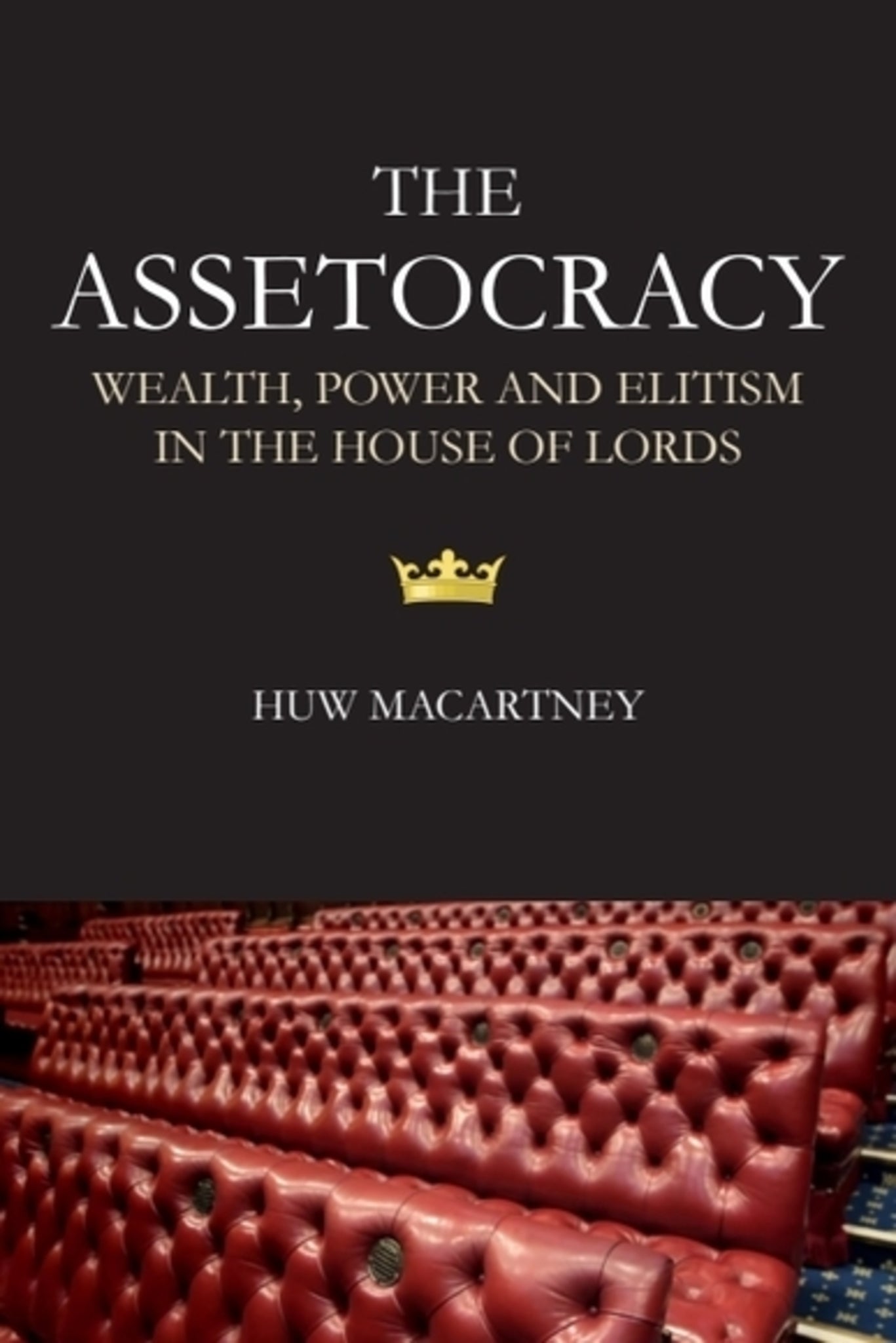
Parliament’s second chamber may no longer be home to hereditary peers, but elitism has far from been eradicated with their departure. In this detailed analysis of the financial and political activity of the members of the House of Lords, Huw Macartney exposes the extent of the wealth elite’s grip on power at the heart of British government.
The introduction of life peerages in the 1950s, the reforms by the Blair government and the removal of the remaining hereditary peers were all intended to make the House a more diverse, representative and meritocratic chamber. Macartney’s investigation into the shareholdings, company directorships, landholdings, rental properties, education, attendance, speeches and voting records of the Lords demonstrates how the political apparatus at the heart of Westminster promotes economic structures that protect wealth. Far from reflecting the society they govern, the Lords continue to operate at a remove from the everyday experiences of the British public and increasingly appear to be a club for the assetocratic class.


Preface
Acknowledgements
Introduction
1. The Political Elite
2. The Rentier Class
3. Lords on Boards
4. Silent Knights and Industrious Barons
5. Foxes and Henhouses
6. Lords of the Land
Conclusion
Notes
Index