


Some error occured while loading the Quick View. Please close the Quick View and try reloading the page.
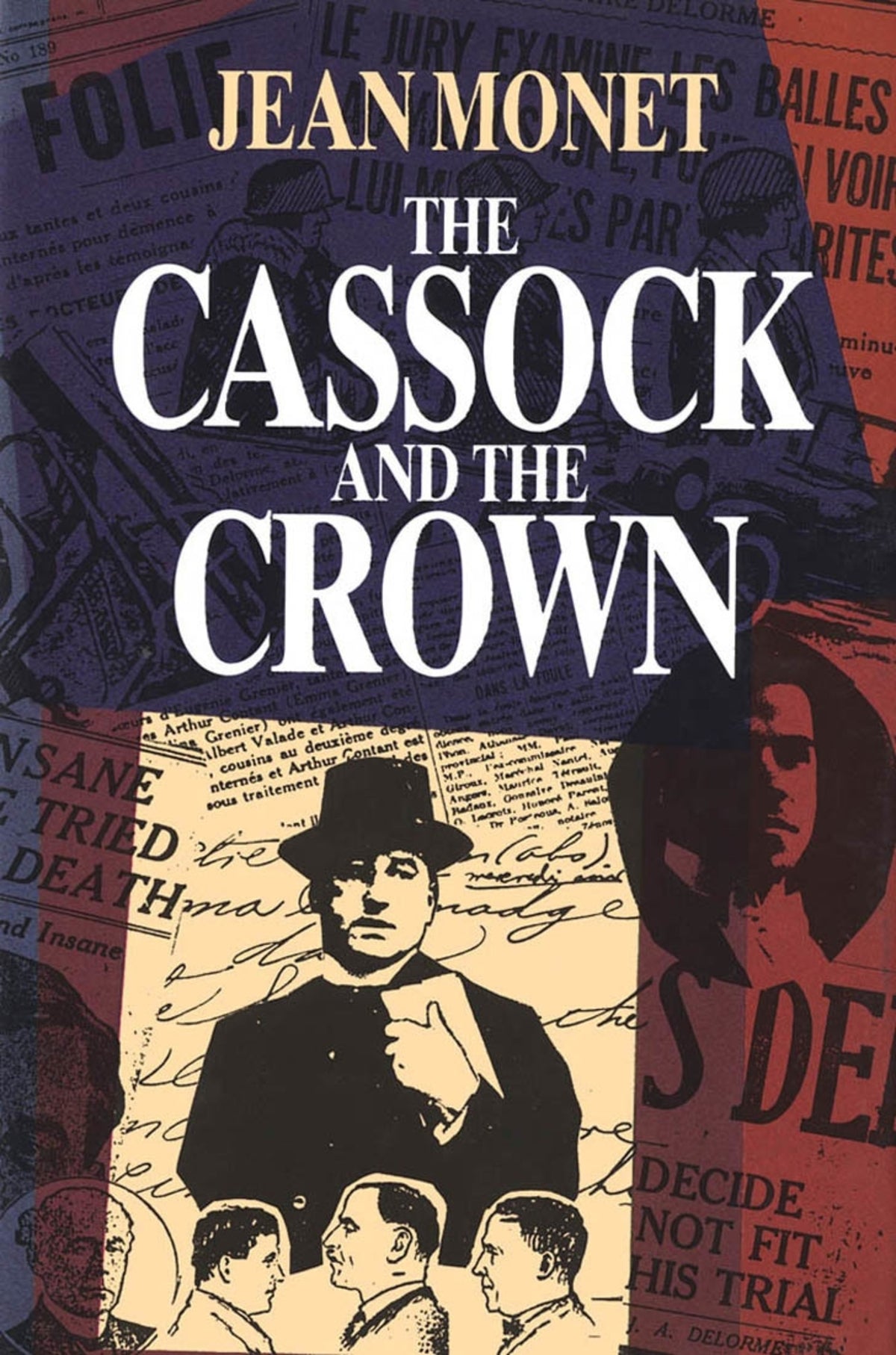
L'affaire Delorme, dubbed the trial of century at the time, is Canada's most controversial murder case. The prosecution of a Roman Catholic priest for the murder of his brother, it captured public imagination not only in Canada but throughout the world.
On 7 January 1922 Raoul Delorme's body was discovered in a Montreal suburb. He had been shot six times at close range. The victim's half-brother, Father Adélard Delorme, quickly became the prime suspect as circumstantial evidence pointed directly to him. In one of the first uses of ballistics, police matched the bullets used in the murder to a gun he had purchased only days before the murder, there were human bloodstains in his car, and the victim's body was wrapped in a quilt that matched others found at the Delorme house. Father Delorme had also recently taken out a life insurance policy on his brother, naming himself as beneficiary, and stood to inherit most of the family's estate under Raoul's will. The Roman Catholic church, however, was an extremely powerful institution in Quebec in the 1920s. Four trials took place before a verdict was reached -- a verdict that still leaves many questions unanswered.
The Delorme Affair achieved worldwide notoriety not only because it involved a clergyman but because of Father Delorme's eccentric personality, the twists and turns of the investigation, and extensive media coverage. Legendary Montreal police detective George Farah-Lajoie was in charge of the investigation and the case involved the best legal talent in Canada as well as the expertise of Wilfrid Derôme, founder of the Montreal Crime Laboratory and father of forensic medicine in North America.
A fascinating true story, The Cassock and the Crown is based on trial transcripts, interviews with individuals involved in the case, and twenty-five years of archival research. It provides insight into Quebec culture in the 1920s and is a topical look, in light of recent celebrity trials, at the subjective nature of the judicial system when it deals with people in positions of prestige and power.

