


Some error occured while loading the Quick View. Please close the Quick View and try reloading the page.
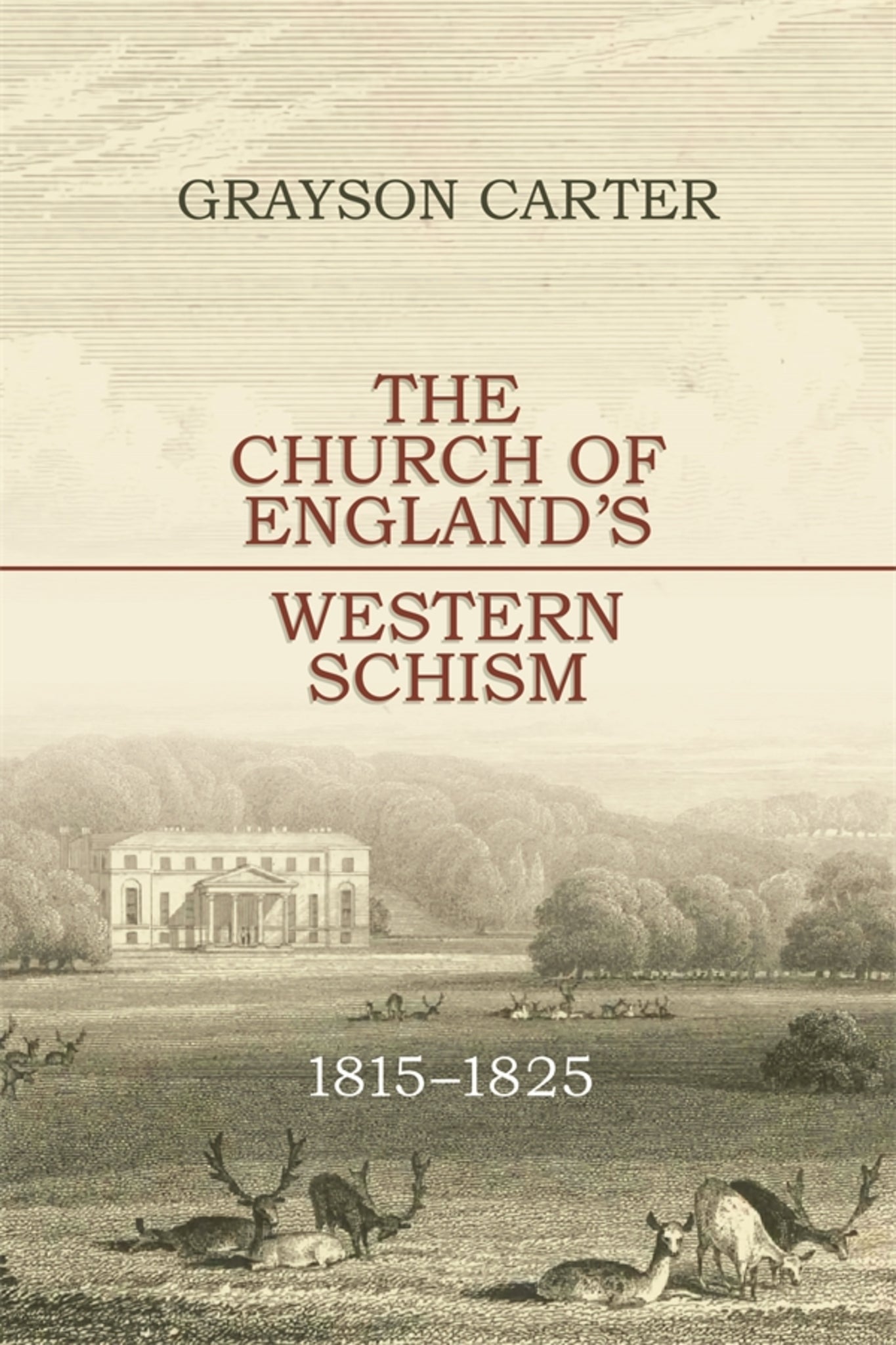
Examines one of the most significant events in the history of the late Georgian church, and revises accepted notions of Evangelical and Anglican ecclesiology and identity.
This study examines the establishment and progress of the Western Schism (1815-1825), a dramatic group secession from the Church of England. In one of the most significant events of nineteenth-century Church history, this group secession - the first since the Nonjurors - threatened to produce a wave of Evangelical secessions throughout England. Its influence was focused principally in London and the counties of Devon, Dorset, Gloucestershire, Hampshire, Somerset, Sussex and Wiltshire, while its leadership was comprised of a group of clergy and laity drawn largely from prominent and wealthy banking families bound by close ties of kinship and ideology. These factors, along with the Schism's heretical pronouncements and 'irregular' ecclesial practices, its inclusion of women's ministry, and its secretive nature, generated considerable sensationalism and a sustained period of criticism led by prominent religious figures, newspapers, and journals.
While the Schism was denounced from every point on the religious compass, it was the Evangelicals who emerged as its principal critics. They castigated the Schism's heretical doctrines, opposed its inclusion of women's ministry, and criticised its abandonment of the Establishment, the 'gospel party', and the Reformed heritage of the English Church.
This is the first extensive examination of the Western Schism. It revises accepted notions of Evangelical ecclesiology and identity during the late Georgian period, and discloses how a small (but influential and wealthy) group, alarmed by the Church's failure to respond to the disruptive social and spiritual events of the day, established a rival ecclesial body - an endeavour that, despite the investment of significant effort and resources, ultimately failed to coalesce into a viable and lasting alternative to the Established Church.
GRAYSON CARTER is Professor of Church History at Fuller Seminary in Pasadena, California.
This study examines the establishment and progress of the Western Schism (1815-1825), a dramatic group secession from the Church of England. In one of the most significant events of nineteenth-century Church history, this group secession - the first since the Nonjurors - threatened to produce a wave of Evangelical secessions throughout England. Its influence was focused principally in London and the counties of Devon, Dorset, Gloucestershire, Hampshire, Somerset, Sussex and Wiltshire, while its leadership was comprised of a group of clergy and laity drawn largely from prominent and wealthy banking families bound by close ties of kinship and ideology. These factors, along with the Schism's heretical pronouncements and 'irregular' ecclesial practices, its inclusion of women's ministry, and its secretive nature, generated considerable sensationalism and a sustained period of criticism led by prominent religious figures, newspapers, and journals.
While the Schism was denounced from every point on the religious compass, it was the Evangelicals who emerged as its principal critics. They castigated the Schism's heretical doctrines, opposed its inclusion of women's ministry, and criticised its abandonment of the Establishment, the 'gospel party', and the Reformed heritage of the English Church.
This is the first extensive examination of the Western Schism. It revises accepted notions of Evangelical ecclesiology and identity during the late Georgian period, and discloses how a small (but influential and wealthy) group, alarmed by the Church's failure to respond to the disruptive social and spiritual events of the day, established a rival ecclesial body - an endeavour that, despite the investment of significant effort and resources, ultimately failed to coalesce into a viable and lasting alternative to the Established Church.
GRAYSON CARTER is Professor of Church History at Fuller Seminary in Pasadena, California.

Price: $130.00
Pages: 300
Publisher: Boydell & Brewer Inc.
Imprint: Boydell Press
Publication Date:
14 April 2026
Trim Size: 9.21 X 6.14 in
ISBN: 9781837652976
Format: Hardcover
BISACs:
RELIGION / Christianity / Anglican, History of religion, HISTORY / Modern / 19th Century, RELIGION / Christian Ministry / Evangelism, RELIGION / Christianity / Protestant, Anglican and Episcopalian Churches, Theology, European history

Introduction
Chapter 1: The Context of the Western Schism
Chapter 2: George Baring and the Western Schism
Chapter 3: The New Lights
Chapter 4: The Trinitarian and Particular Baptists
Chapter 5: The Baring Party
Chapter 6: Henry Drummond and the Western Schism
Chapter 7: The Critics of the Western Schism
Conclusion
Chapter 1: The Context of the Western Schism
Chapter 2: George Baring and the Western Schism
Chapter 3: The New Lights
Chapter 4: The Trinitarian and Particular Baptists
Chapter 5: The Baring Party
Chapter 6: Henry Drummond and the Western Schism
Chapter 7: The Critics of the Western Schism
Conclusion