


Some error occured while loading the Quick View. Please close the Quick View and try reloading the page.
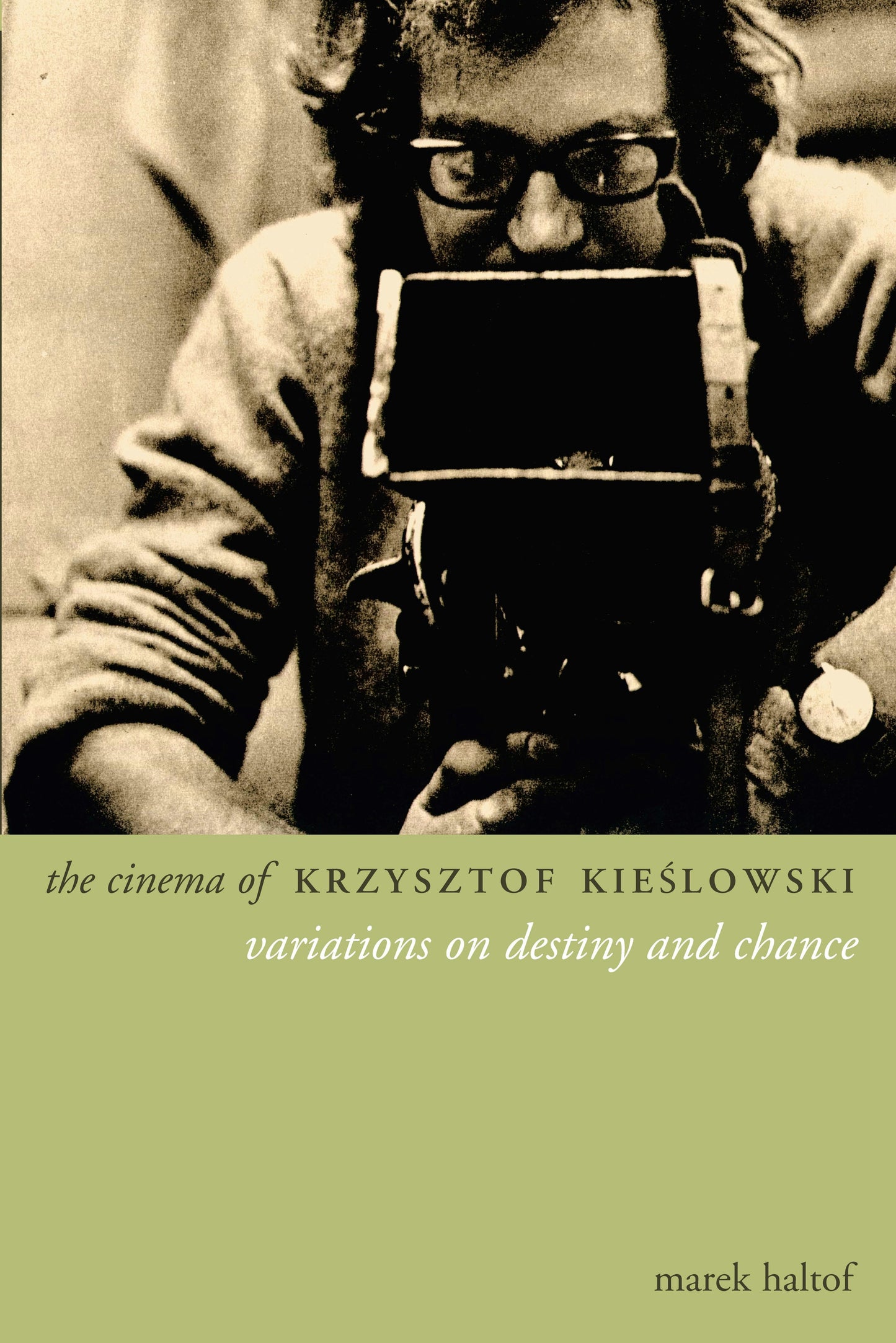
Since his death in 1996, Krzysztof Kieslowski has remained the best-known contemporary Polish filmmaker and one of the most popular and respected European directors, internationally renowned for his ambitious Decalogue and Three Colors trilogy.
In this new addition to the Directors'Cuts series, Marek Haltof provides a comprehensive study of Kieslowski's cinema, discussing industrial practices in Poland and stressing that the director did not fit the traditional image of a "great" East-Central European auteur. He draws a fascinating portrait of the stridently independent director's work, noting that Kieslowski was not afraid to express unpopular views in film or in life. Haltof also shows how the director's work remains unique in the context of Polish documentary and narrative cinema.


Preface
1. Documenting the Unrepresented World
i. Pedestrian Subway: A Short Film About Marriage
2. Film-Essays: Kielowski and Polish Cinema in the 1970s and During the Solidarity Period
ii. Personnel: Art and Politics
iii. The Scar: Managers and Their Dilemmas
iv. The Calm: Life As It Is
v. Camera Buff: Meditations on Film-making
vi. Short Working Day: Mechanisms of Power
3. Choices, Chances and Politics
i. Blind Chance: Variations on Fate
ii. No End: Requiem for Solidarity
4. Entomological Observations and Metaphysics in Decalogue
5. The Double Life of Kielowski: European Art Film and the Polish Context
i. The Double Life of Véronique: Doppelgängers and Puppeteers
ii. The Three Colours Trilogy: The Long Films About Love
Afterword
Notes
Filmography
Bibliography
Index