


Some error occured while loading the Quick View. Please close the Quick View and try reloading the page.
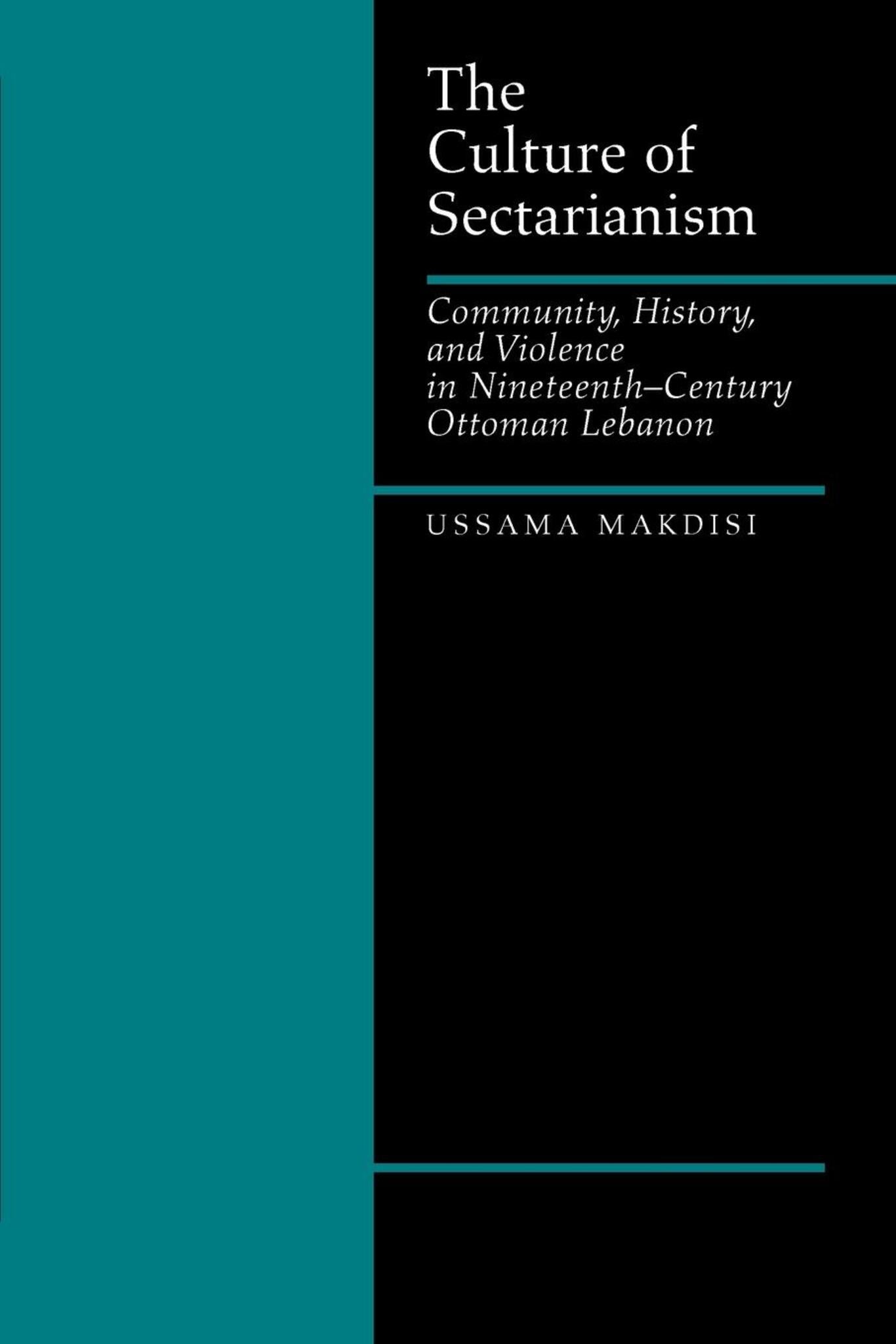
Focusing on Ottoman Lebanon, Ussama Makdisi shows how sectarianism was a manifestation of modernity that transcended the physical boundaries of a particular country. His study challenges those who have viewed sectarian violence as an Islamic response to westernization or simply as a product of social and economic inequities among religious groups. The religious violence of the nineteenth century, which culminated in sectarian mobilizations and massacres in 1860, was a complex, multilayered, subaltern expression of modernization, he says, not a primordial reaction to it.
Makdisi argues that sectarianism represented a deliberate mobilization of religious identities for political and social purposes. The Ottoman reform movement launched in 1839 and the growing European presence in the Middle East contributed to the disintegration of the traditional Lebanese social order based on a hierarchy that bridged religious differences. Makdisi highlights how European colonialism and Orientalism, with their emphasis on Christian salvation and Islamic despotism, and Ottoman and local nationalisms each created and used narratives of sectarianism as foils to their own visions of modernity and to their own projects of colonial, imperial, and national development. Makdisi's book is important to our understanding of Lebanese society today, but it also makes a significant contribution to the discussion of the importance of religious discourse in the formation and dissolution of social and national identities in the modern world.
Many titles in the Voices Revived program are also newly available as ebooks, offered at a discounted price to support wider access to scholarly work.
Makdisi argues that sectarianism represented a deliberate mobilization of religious identities for political and social purposes. The Ottoman reform movement launched in 1839 and the growing European presence in the Middle East contributed to the disintegration of the traditional Lebanese social order based on a hierarchy that bridged religious differences. Makdisi highlights how European colonialism and Orientalism, with their emphasis on Christian salvation and Islamic despotism, and Ottoman and local nationalisms each created and used narratives of sectarianism as foils to their own visions of modernity and to their own projects of colonial, imperial, and national development. Makdisi's book is important to our understanding of Lebanese society today, but it also makes a significant contribution to the discussion of the importance of religious discourse in the formation and dissolution of social and national identities in the modern world.
Many titles in the Voices Revived program are also newly available as ebooks, offered at a discounted price to support wider access to scholarly work.

Price: $18.95
Pages: 274
Publisher: University of California Press
Imprint: University of California Press
Publication Date:
19 July 2000
ISBN: 9780520922792
Format: eBook
