


Some error occured while loading the Quick View. Please close the Quick View and try reloading the page.
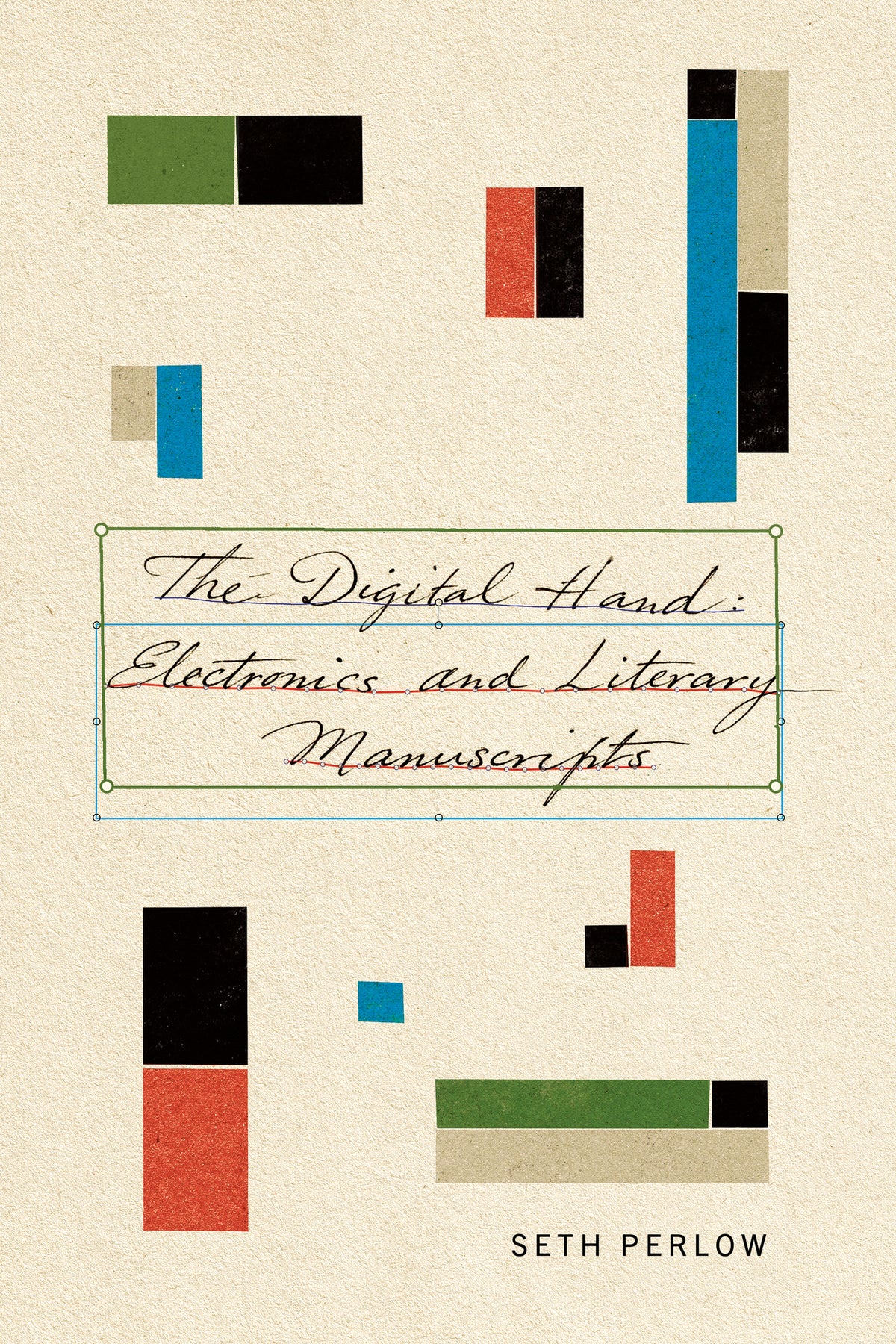
Electronics have transformed the study of literary manuscripts and made the appearance of handwriting a powerful token of literary quality, argues Seth Perlow in this fascinating examination. Most histories of textual media privilege the printing press, the typewriter, and their electronic successors, but this project builds a quirkier genealogy of equipment used to capture, analyze, and reproduce images of handwriting. The Digital Hand finds handwritten literature in online manuscript archives and in the feeds of Instagram poets, in the labs of forensic handwriting examiners and machine learning researchers, and even under the arms of pen-wielding robots. Through close readings of literature both canonical and contemporary—by Emily Dickinson, Edgar Allan Poe, Renee Gladman, Robert Grenier, and others—this book demonstrates that the meaning of a manuscript depends upon the equipment that mediates it. The opening chapters, on gesture and drawing, view manuscripts as traces of the writer's physical motions; later chapters, on signature and character, see handwriting as representative of an author's identity and style. The closing chapter, on archives, argues that the structures of online manuscript collections influence what facts we find in handwriting. By situating handwritten literature in its electronic contexts, The Digital Hand confronts longstanding uncertainties about what literary scholars can learn from handwriting and how.


"This is a smart and exciting project, which reads like a media archaeology of handwriting as a modern techne. Perlow moves breezily between asemic poetry, Poe's detective fiction, Derrida, robotic technologies, and the history of text recognition."—Whitney Trettien, University of Pennsylvania
"The Digital Hand tells the story of a form of writing we can't let go of, even now. Perlow works his subjects with accomplished dexterity and a light but expert touch."—Matthew Kirschenbaum, University of Virginia