


Some error occured while loading the Quick View. Please close the Quick View and try reloading the page.
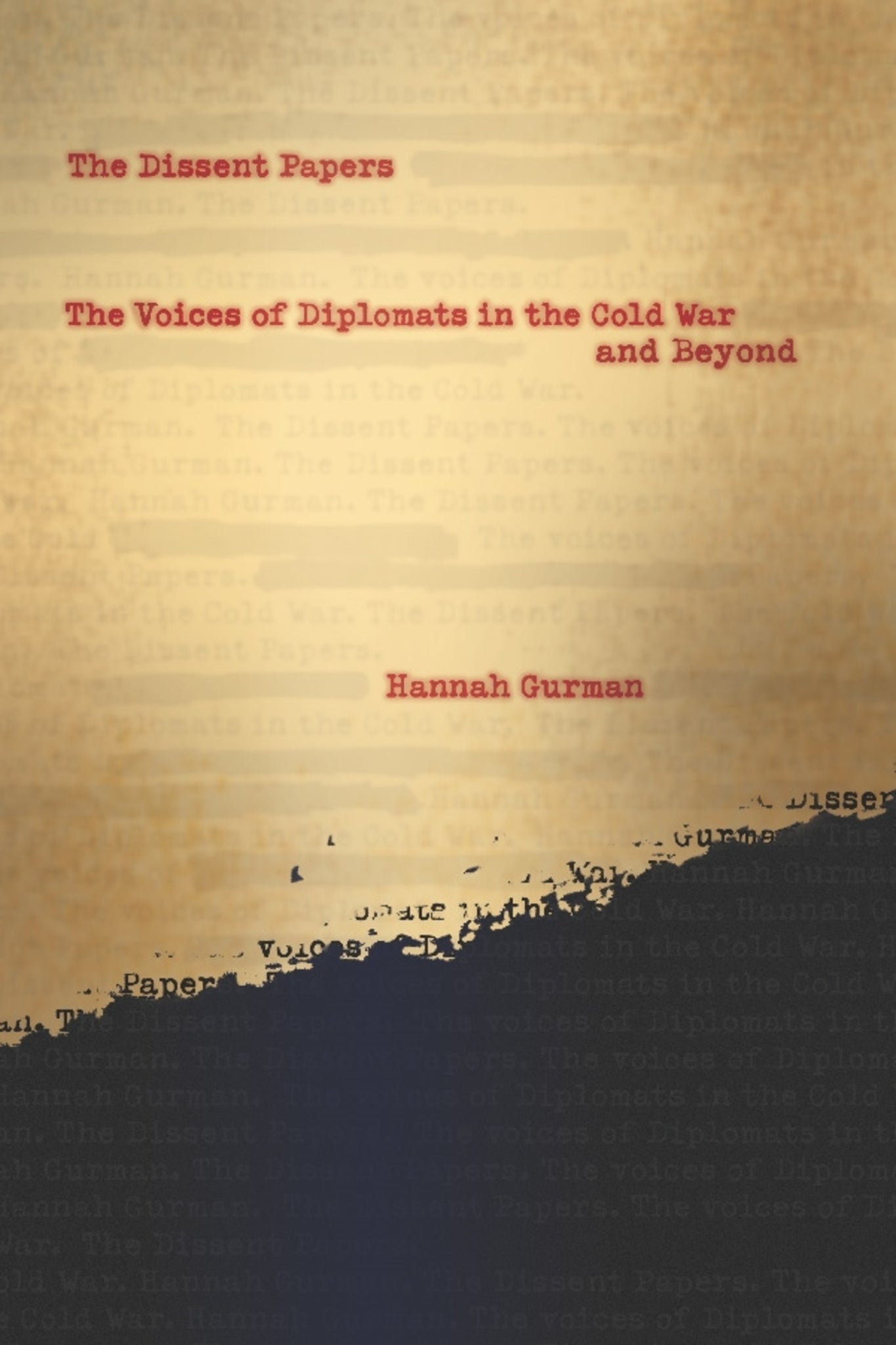
Beginning with the Cold War and concluding with the 2003 invasion of Iraq, Hannah Gurman explores the overlooked opposition of U.S. diplomats to American foreign policy in the latter half of the twentieth century. During America's reign as a dominant world power, U.S. presidents and senior foreign policy officials largely ignored or rejected their diplomats' reports, memos, and telegrams, especially when they challenged key policies relating to the Cold War, China, and the wars in Vietnam and Iraq. The Dissent Papers recovers these diplomats' invaluable perspective and their commitment to the transformative power of diplomatic writing.
Gurman showcases the work of diplomats whose opposition enjoyed some success. George Kennan, John Stewart Service, John Paton Davies, George Ball, and John Brady Kiesling all caught the attention of sitting presidents and policymakers, achieving temporary triumphs yet ultimately failing to change the status quo. Gurman follows the circulation of documents within the State Department, the National Security Council, the C.I.A., and the military, and she details the rationale behind "The Dissent Channel," instituted by the State Department in the 1970s, to both encourage and contain dissent. Advancing an alternative narrative of modern U.S. history, she connects the erosion of the diplomatic establishment and the weakening of the diplomatic writing tradition to larger political and ideological trends while, at the same time, foreshadowing the resurgent significance of diplomatic writing in the age of Wikileaks.


— Frank Ninkovich, St. John's University, author of Global Dawn: The Cultural Foundation of American Imperialism, 1865–1890
Hannah Gurman's approach and evidence are fresh and original. She brings disparate yet connected stories together to show how diplomats used the primary tool given to them: language.
— Elizabeth Cobbs Hoffman, San Diego State University, author of Broken Promises: A Novel of the Civil War
...well-researched and spared of academic jargon...
— John H. Brown
...a welcome celebration of elegent prose and careful analysis.
— Laura Belmonte
One of the best compliments that can be paid to a book is to say that it made the reader think and this book certainly accomplished that.
— Javan Frazier
Fluent and insightful, The Dissent Papers is a highly impressive debut.
— David Milne
Carefully researched and written in a flowing style, the book is well worth reading.
A fascinating expose of the role that strategic writing has in formulating comprehensive diplomatic dissent and its ability to shape the future of U.S. foreign policy.
Thoroughly enriches our understanding of American diplomatic history.
Acknowledgments
Introduction
1. The Pen as Sword: George Kennan and the Politics of Authorship in the Early Cold War
2. "Learn to Write Well" The China Hands and the Communist-ification of Diplomatic Reporting
3. Revising the Vietnam Balance Sheet: The Rhetorical Logic of Escalation Versus George Ball's Writerly Logic of Diplomacy
4. The Other Plumbers Unit: The Dissent Channel of the U.S. State Department
Conclusion. The Life After: From Internal Dissenter to Public Prophet
Notes
Bibliography
Index