


Some error occured while loading the Quick View. Please close the Quick View and try reloading the page.
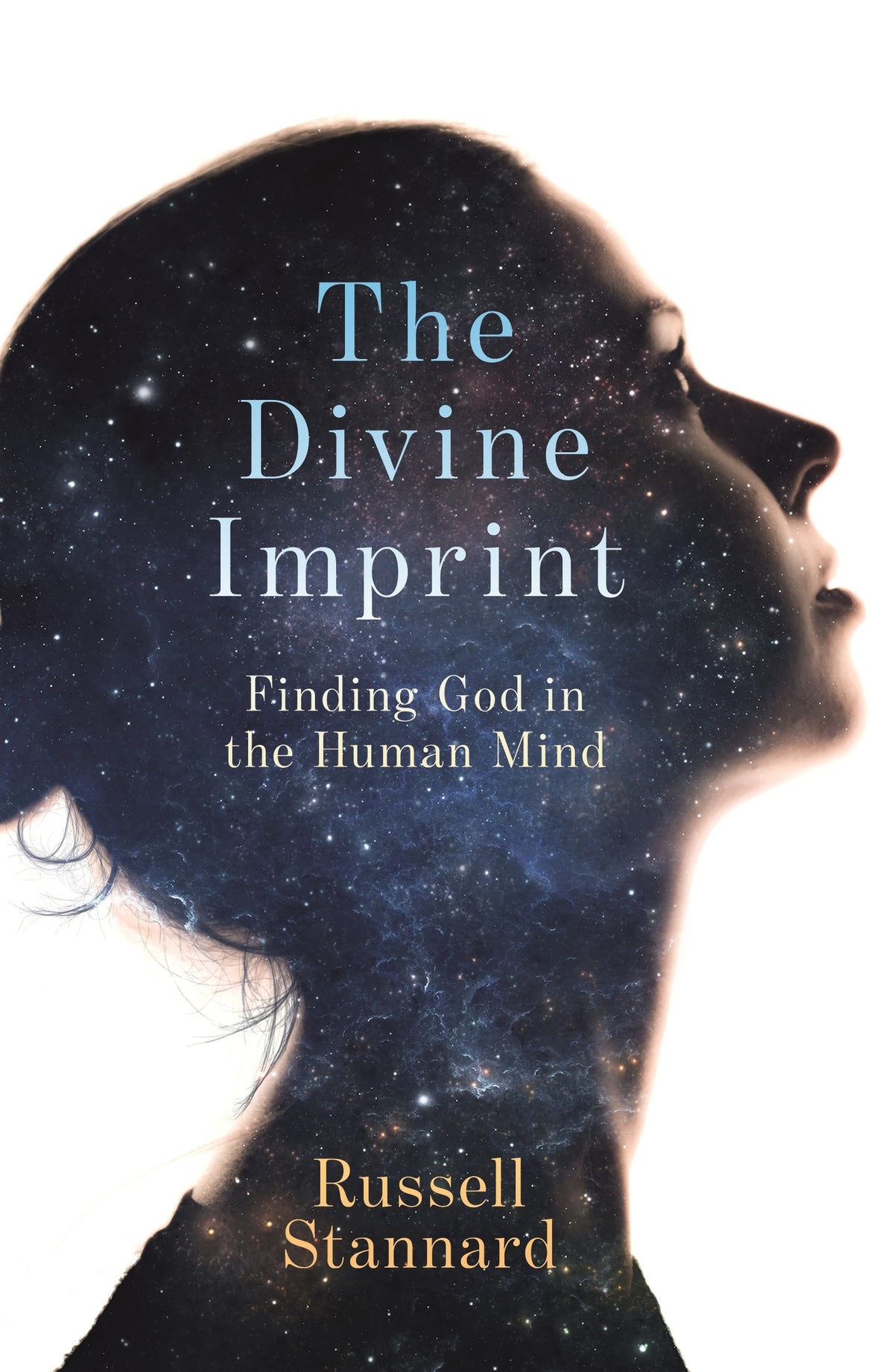
The so-called New Atheists receive much publicity, but their demand to be provided with incontrovertible evidence for the existence of God, and that such evidence must come from a scientific examination of the physical world, is the wrong approach.
As many theologians and philosophers have claimed, the search for God begins by looking inwards into oneself.
But what does that mean?
Surely looking inwards we find nothing but the contents of one's own mind. Where does God come in? It is by the examination of the contents of the mind and trying to understand how they got there that one seeks clues about God's influence on the mind. Our consciousness bears a resemblance to that Consciousness from which it is directly derived. It bears his imprint. It is from the characteristics of that imprint we get to know what kind of God we are dealing with. Only then can we be open to realising how that other creation of his, the physical world, also bears his imprint.


Prologue 1
1 False trails 9
Seeking theoretical proof 11
Seeing is believing 12
Filling in the gaps 12
Miracles 14
Argument from design 17
Another argument from design 23
Holy people and holy writings 29
The Ground of All Being 30
2 A new direction 35
Knowing God 37
The conscious God 38
The phenomenon of consciousness 39
The God within 42
The mind: evolutionary psychology 45
The mind: other approaches 104
The otherness of the mind 114
The roots of belief 116
3 Retracing steps 125
The final stage of our journey 127
Why a world? 128
What kind of world? 130
Creation through evolution 145
Evil and suffering 148
Death and eternal life 156
Learning from other people 168