


Some error occured while loading the Quick View. Please close the Quick View and try reloading the page.
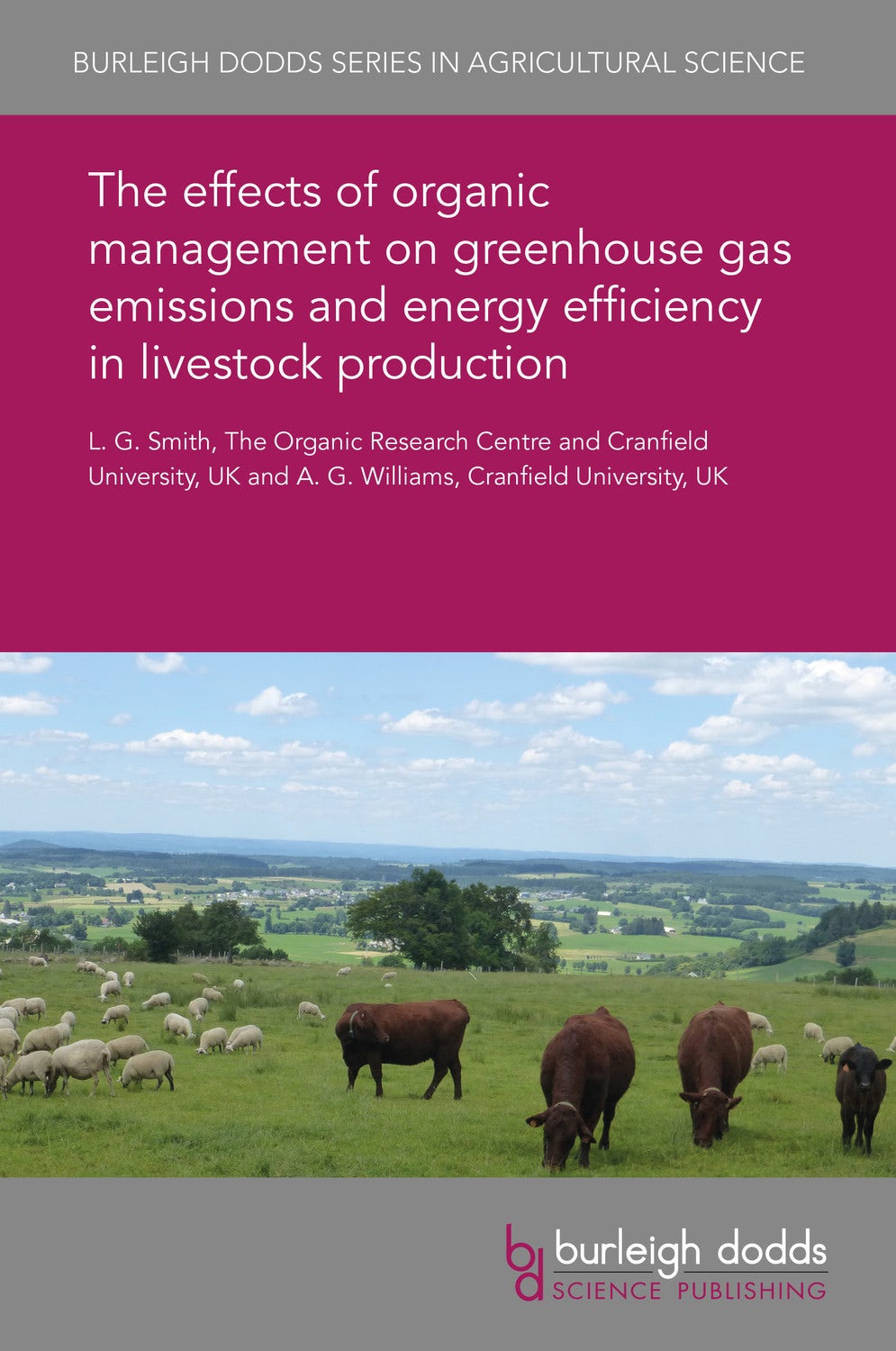
The central objectives of organic farming are reducing external inputs and increasing long-term sustainability. Whilst there may be local improvements in resource efficiency, the extent to which organic livestock systems contribute to net greenhouse gas mitigation and fossil energy efficiency gains depends on the livestock type, the unit of comparison and the system boundaries in time and space. This chapter explores these factors and gives examples of where organic systems could be improved. It also considers soil carbon sequestration in organic livestock systems. Three individual case studies are presented to show how organic producers are implementing measures to improve environmental efficiency in practice. Challenges and opportunities for the sector are discussed from research, farm practice and regulatory perspectives.

Price: $32.50
Publisher: Burleigh Dodds Science Publishing
Imprint: Burleigh Dodds Science Publishing
Series: Burleigh Dodds Series in Agricultural Science
Publication Date:
26 February 2019
ISBN: 9781838796716
Format: eBook
BISACs:
TECHNOLOGY & ENGINEERING / Agriculture / Sustainable Agriculture, TECHNOLOGY & ENGINEERING / Agriculture / Animal Husbandry

1 Introduction 2 Strategies for mitigating greenhouse gas emissions and improving energy efficiency in organic farming 3 Examples of innovation in practice: livestock farmers progressing towards greenhouse gas mitigation 4 Challenges and opportunities in research and development 5 Conclusion and future trends 6 Acknowledgements 7 Where to look for further information 8 References