


Some error occured while loading the Quick View. Please close the Quick View and try reloading the page.
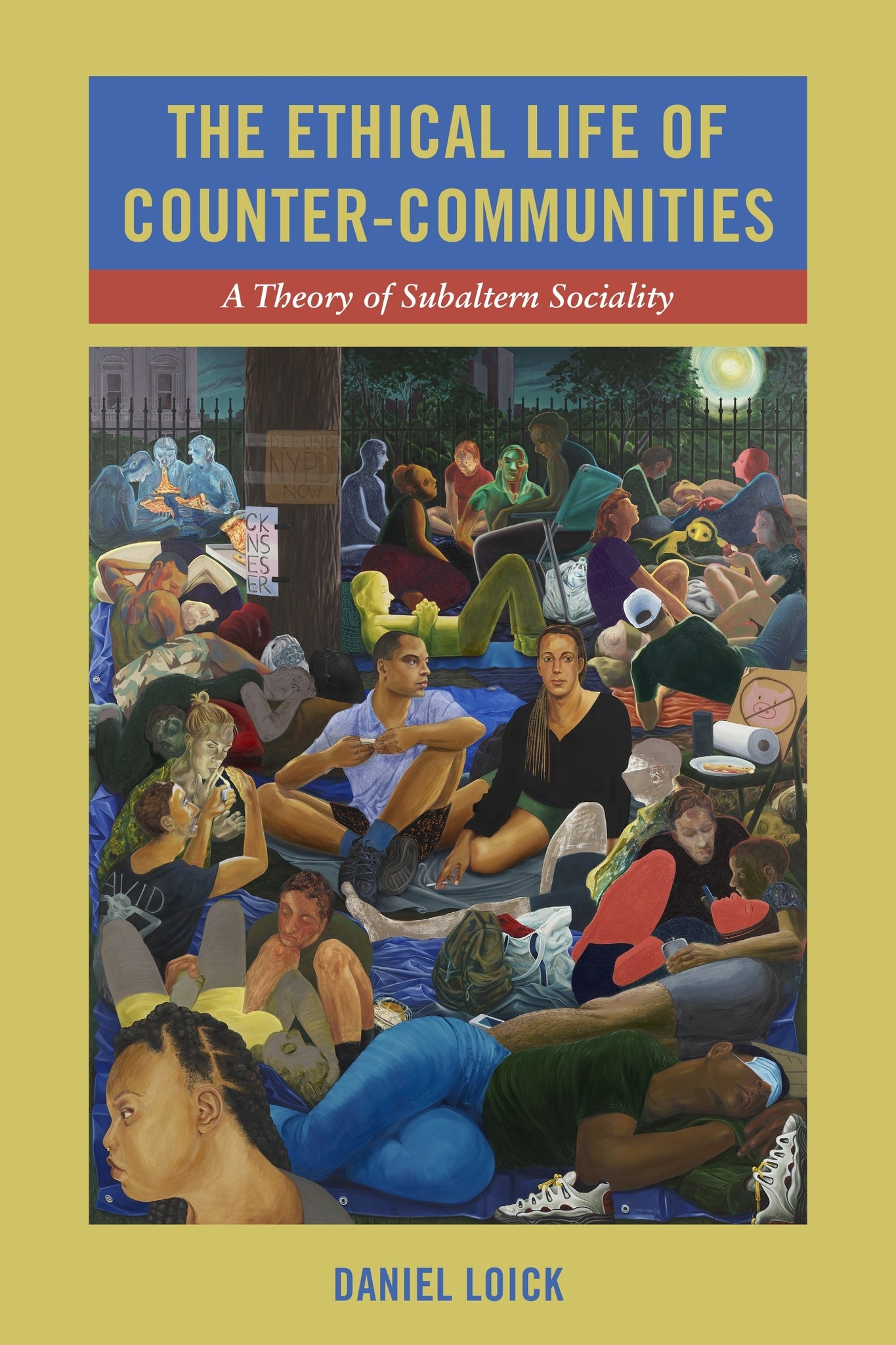
From the perspective of oppressed groups, the lives of the rich and powerful are not necessarily desirable. The exercise of domination makes their form of life more ignorant, meaner, uglier, and sadder. People whose lived reality is shaped by experiences of violence and suffering, on the other hand, often have access to epistemic insights, ethical virtues, and aesthetic expressions that privileged subjects lack. This inverts the established order of superiority: Somebody can be politically, economically, socially, or culturally oppressed, but still have an epistemic, normative, aesthetic, or affective advantage. Whether they can tap into these resources, however, depends on certain practices of collectivization: on whether they are members of counter-communities. Liberation can therefore never be achieved through inclusion or integration into dominant institutions. The struggle for liberation is a struggle for abolition.
Engaging with Hegel, Marx, and the Frankfurt School, as well as abolitionist, queer-feminist and Black studies, this book aims to elaborate the specific structure of counter-community ethical life and thus to develop new perspectives for radical political theory and practice.


“The Ethical Life of Counter-Communities is an outstanding example of the very best that contemporary critical theory has to offer. It makes a compelling case for the ongoing vitality and relevance of German Critical Theory while at the same time showing how much that tradition stands to benefit from a serious engagement with other critical theories and traditions.”---Amy Allen, Penn State University