


Some error occured while loading the Quick View. Please close the Quick View and try reloading the page.
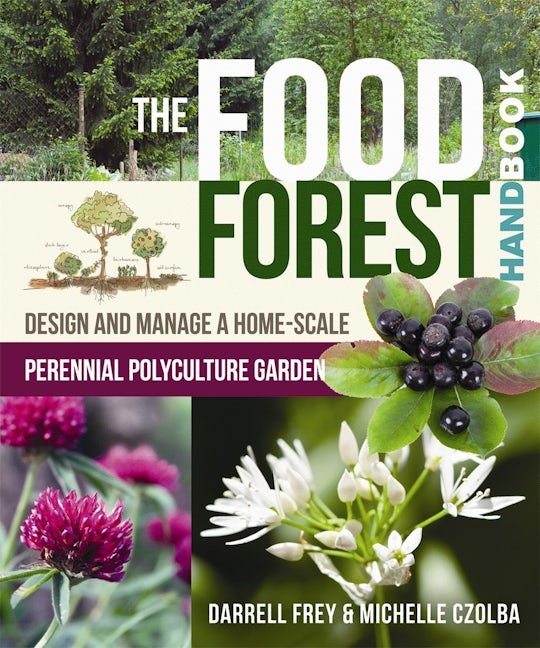
Grow a Thriving, Edible Backyard Ecosystem
Turn any yard into a productive, low-maintenance food forest that produces fresh fruit, nuts, and vegetables year after year—while regenerating soil, attracting pollinators, and building climate resilience. Perfect for urban lots, suburban yards, or rural homesteads.
What You'll Learn
Grounded in permaculture principles and decades of hands-on experience, The Food Forest Handbook gives you the tools to: Plan and design your forest garden for any space—from tiny urban plots to sprawling rural yards. Choose perennials, fruit and nut trees, shrubs, and vines that maximize biodiversity and ecological balance. Build healthy soil naturally using composting, mulching, and succession planning. Manage your food forest year-round with pruning, water systems, pest management, and maintenance strategies. Harvest and preserve your bounty with crop profiles, storage tips, and delicious recipes.
Why It Matters
Food forests work with nature, not against it, giving you sustainable abundance, beauty, and resilience for generations. By following these strategies, you'll grow your own food, support local ecosystems, and create a backyard that benefits people, wildlife, and the planet.
About the Authors
Darrell Frey — Owner of Three Sisters Farm, author of Bioshelter Market Garden, and permaculture teacher for 30+ years. He has inspired thousands of gardeners to create regenerative, productive landscapes.
Michelle Czolba — Co-owner of Pittsburgh Permaculture and co-founder of the Hazelwood Food Forest. With decades of experience in perennial design and sustainable systems, Michelle brings deep practical knowledge to every step of creating a food forest.
Call to Action
Start your edible ecosystem today—get The Food Forest Handbook and begin creating a regenerative, resilient backyard that feeds your family and nurtures the planet.


Michelle Czolba is co-owner of Pittsburgh Permaculture and co-founded the Hazelwood Food Forest. She has extensive experience in the design and maintenance of perennial polyculture. Her formal training includes biology, chemistry, and herbalism, and she has earned a B.Sc. in Environmental Science and a M.Sc. in Sustainable Systems. After obtaining her Herbal Certification Michelle founded Wildly Natural Skin Care, and developed her own full line of handmade, wildcrafted and organic skin care products.
Darrell Frey is the owner and manager of Three Sisters Farm, a 5-acre permaculture farm, solar greenhouse and market garden located in Western Pennsylvania. He facilitates workshops and delivers keynote presentations on permaculture design, perennial polyculture management and ecological land use planning, and has been a sustainable community development consultant and permaculture teacher for 30 years. Darrell writes extensively about the principles involved in regenerative, organic agriculture and is the author of Bioshelter Market Garden: A Permaculture Farm .
Acknowledgments
Introduction
1. Perennial Polycultures: Past, Present, and Future
Forest Ecology
More About Ecology
Perennial Polycultures
Agroforestry
Food Forests Through Time and Around the World
Food Forest Developments in the 20th Century
Food Forests in the 21st Century: The New Cottage Garden
2. Food Forest Design and Planning
Permaculture Design and the Food Forest
Permaculture Concepts
The Design Process
Site Analysis
Bringing It All Together
Creating a Sector Map
The Design Concept Map
Possibilities Abound: Microniches on Your Land
Plant Research
Plant Selection
Fruit Tree Polyculture
3. Food Forest Design: From Concept Sketch to Detailed Designs
Concept Sketch
Food Forest Pros and Cons
Patterns of Design
Some Other Multifunctional Arrangements
Urban Considerations
Seed Resources
4. A Food Forest Feast: Selecting Plants for Your Food Forest
Why We Eat Fruit
Nuts
Herbs
Greens
Edible Flowers
Roots
Wild Edible Plants
Fungi
Medicinal Plants
Uncommon Fruits
Soil-conditioning Plants
Nutrient-cycling Plants
Habitat Plants and Ecological Niches: The Birds and the Bees
Creating Your Food Forest Guild
Species Palettes
Choosing Your Plant Varieties
5 Tending and Growing a Forest Garden
Initial Site Preparation
Diverse Plant Life Spans
Three Steps to Creating a Dynamic Mineral-rich Ecosystem
Perennials and Biennials
Fungi
Space for Annuals
Soil Fertility Ideas
Maintaining Plant Health: The Power of Observation
Managing the Food Forest Ecosystem
Managing Cedar Apple Rust ( Gymnosporangium juniperi-virginiana )
Plan for Abundance
Planting a Tree
Pruning Techniques
Harvest
Fruit Tree Care
Maintenance Schedule
6. Propagating Your Food Forest Garden
Buying Plants
Growing Your Own: Tools and Methods
Heirloom Fruit
A Nursery Business!
7. A Tour of Food Forests in Various Climates
Drylands
Central Mexico Food Forest: El Huizachal
Food Forest Around Luis and Carla Hurtado's House
Temperate Continental Climate: Perennial Polycultures at Three Sisters Farm
For the Bees: A Bee Yard Design
Some Food Forests in Pennsylvania
Subtropical America: South Florida Food Forests
Mid-Atlantic Food Forest
Suzi's Natural Food Forest and Permaculture Gardening — Texas Style
Pacific Northwest: Beacon Food Forest
Hazelwood Food Forest Revisited: Where Is It Now?
Food Forests in the Sustainable, Regenerative Society
Closing Thoughts
Appendix: Compost Remediation for Lead Contamination
Index
About the Authors
About the Publisher