


Some error occured while loading the Quick View. Please close the Quick View and try reloading the page.
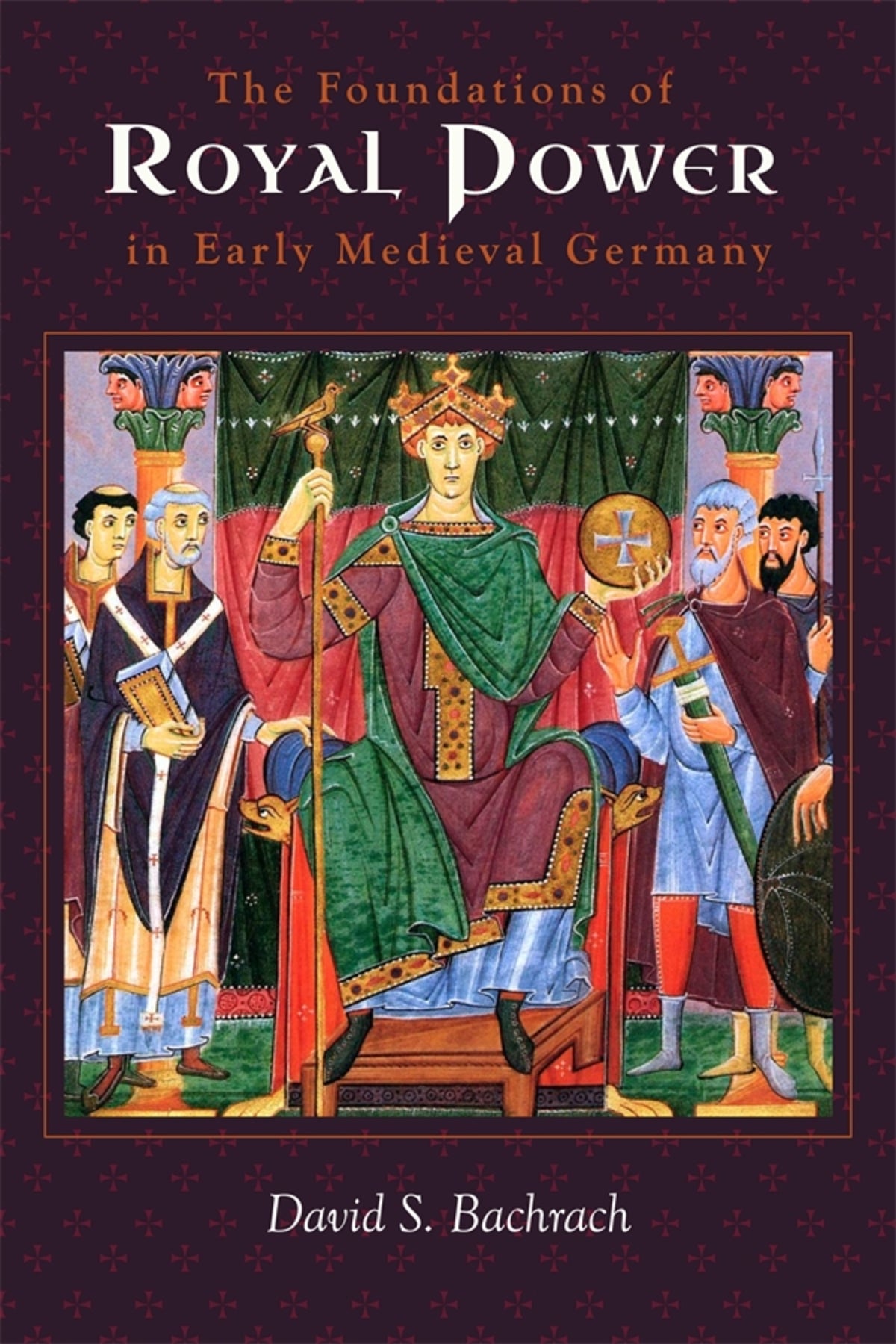
Provocative interrogation of how the Ottonian kingdom grew and flourished, focussing on the resources required.
The Ottonians were the most powerful monarchs in Europe during the tenth and early eleventh century, exercising hegemony in West Francia, Burgundy, and much of Italy in addition to ruling the German realm. Despite their enormous political and military success, however, the foundations of Ottonian royal power remain highly contested and largely misunderstood, with previous scholarship tending to have considered it as depending upon the ability of the king to shape and harness the power of the nobles.
This study challenges the dominant historiographical paradigm, rebutting the notion of putative power-sharing between the king and the nobility, which simply did not exist as a legal class in the Ottonian century. Rather, it argues that the foundations of royal power under the Ottonians comprised not only their own enormous wealth, but also their unique authority and ability, through the royal bannum, the authority inherent in the office of the king, to make use of the economic resources and labour of the broad free population of the realm, as well as from the Church. In so doing, the Ottonians drew upon and further developed the administrative, institutional, and ideological inheritance of their Carolingian predecessors, in the process creating the dominant polity in tenth-century Europe.
The Ottonians were the most powerful monarchs in Europe during the tenth and early eleventh century, exercising hegemony in West Francia, Burgundy, and much of Italy in addition to ruling the German realm. Despite their enormous political and military success, however, the foundations of Ottonian royal power remain highly contested and largely misunderstood, with previous scholarship tending to have considered it as depending upon the ability of the king to shape and harness the power of the nobles.
This study challenges the dominant historiographical paradigm, rebutting the notion of putative power-sharing between the king and the nobility, which simply did not exist as a legal class in the Ottonian century. Rather, it argues that the foundations of royal power under the Ottonians comprised not only their own enormous wealth, but also their unique authority and ability, through the royal bannum, the authority inherent in the office of the king, to make use of the economic resources and labour of the broad free population of the realm, as well as from the Church. In so doing, the Ottonians drew upon and further developed the administrative, institutional, and ideological inheritance of their Carolingian predecessors, in the process creating the dominant polity in tenth-century Europe.

Price: $190.00
Pages: 384
Publisher: Boydell & Brewer Inc.
Imprint: Boydell Press
Publication Date:
August 16, 2022
Trim Size: 9.21 X 6.14 in
ISBN: 9781783277285
Format: Hardcover
BISACs:
HISTORY / Europe / Western, European history, HISTORY / Europe / Medieval, European history: medieval period, middle ages

David S. Bachrach's extensive knowledge of the subject area from primary and secondary sources is on display in this detailed (and somewhat driven) book that seeks to understand the origins and the full extent of the capital of the Ottonians and how they spent it.
Bachrach's book is rich with valuable details and may usefully revitalize the debate on some issues that had been underestimated or even neglected, such as the extraordinary wealth of the Ottonians, their management of the royal fisc, and the military defense of the frontier.
Bachrach's book is rich with valuable details and may usefully revitalize the debate on some issues that had been underestimated or even neglected, such as the extraordinary wealth of the Ottonians, their management of the royal fisc, and the military defense of the frontier.
Introduction
Chapter 1: The Economy of Carolingian East Francia and Ottonian Germany
Chapter 2: Material Assets of the Royal Fisc
Chapter 3: Taxes, Tolls, and Other Regalian Rights
Chapter 4: Ecclesiastical Resources at the Ruler's Disposal
Chapter 5: Toward an Analysis of Royal Expenditures: The Iter Regis and the Cost of Defense
Conclusion
Appendix 1: Fiscal properties held by the rulers of East Francia and Germany, 887-1106
Appendix 2: Fortifications held by the royal government during the reigns of Henry I and Otto I
List of Key Terms
List of Key Dates
Bibliography
Index
Chapter 1: The Economy of Carolingian East Francia and Ottonian Germany
Chapter 2: Material Assets of the Royal Fisc
Chapter 3: Taxes, Tolls, and Other Regalian Rights
Chapter 4: Ecclesiastical Resources at the Ruler's Disposal
Chapter 5: Toward an Analysis of Royal Expenditures: The Iter Regis and the Cost of Defense
Conclusion
Appendix 1: Fiscal properties held by the rulers of East Francia and Germany, 887-1106
Appendix 2: Fortifications held by the royal government during the reigns of Henry I and Otto I
List of Key Terms
List of Key Dates
Bibliography
Index