


Some error occured while loading the Quick View. Please close the Quick View and try reloading the page.
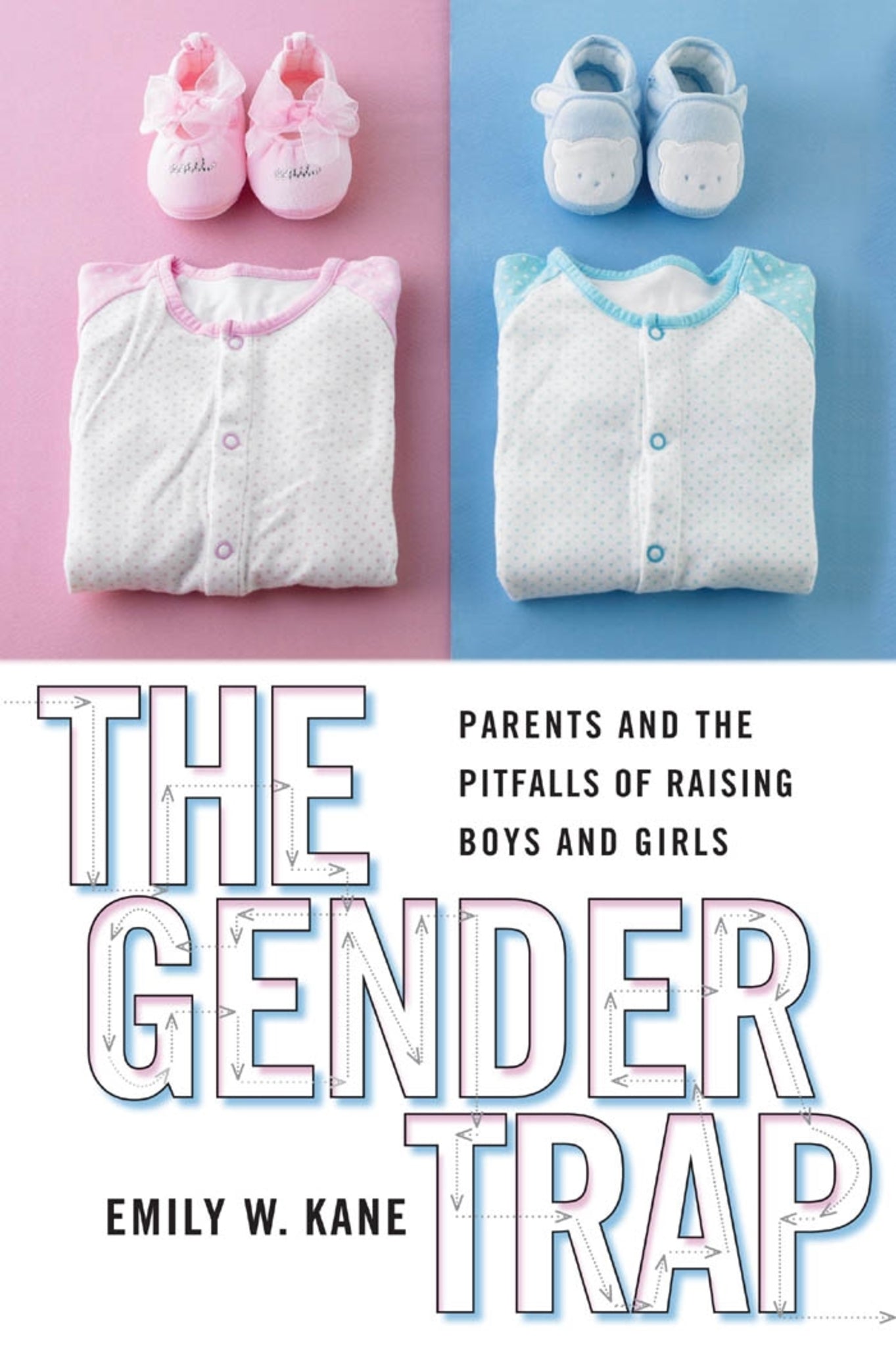
A detailed account of how gender is learned and unlearned in the home
From the selection of toys, clothes, and activities to styles of play and emotional expression, the family is ground zero for where children learn about gender. Despite recent awareness that girls are not too fragile to play sports and that boys can benefit from learning to cook, we still find ourselves surrounded by limited gender expectations and persistent gender inequalities. Through the lively and engaging stories of parents from a wide range of backgrounds, The Gender Trap provides a detailed account of how today’s parents understand, enforce, and resist the gendering of their children. Emily Kane shows how most parents make efforts to loosen gendered constraints for their children, while also engaging in a variety of behaviors that reproduce traditionally gendered childhoods, ultimately arguing that conventional gender expectations are deeply entrenched and that there is great tension in attempting to undo them while letting 'boys be boys' and 'girls be girls.'


— Allison J. Pugh
"A fascinating and important exploration and analysis of how parents navigate the gender trap."
— Cordelia Fine,author of Delusions of Gender: How Our Minds, Society, and Neurosexism Create Difference
"Emily Kane shows clearly that most parents understand childrens personality to be some combination of nature and nurture, and many wish they could help nurture their children to escape gender traps. Yet these parents are themselves trapped by the gender structure itself, especially the accountability they feel to other peoples expectations, and the fear that if their boys are free to explore activities usually associated with girls they will be punished by the world around them. The author shows clearly that to help parents navigate childrearing, we have to change the world around them. A good read, perfect for the undergraduate classroom, and clear enough even to give to those new parents in your family or the neighborhood."
— Barbara J. Risman,editor of Families as They Really Are
"With insight and compassion, Kane shows how today's parentseven those with egalitarian intentionstoo often still nudge their children toward narrow binary conceptions of gender. But Kane's is not simply a story of social reproduction; she shows how parents variously understand, navigate, and even sometimes resist the gender trap, pointing the way to a more humane world for all of our children."
— Michael A. Messner,author of It's All for the Kids: Gender, Families and Youth Sports
"[] Kanes carefully constructed arguments and ample qualitative evidence makes this a very useful read for social scientists interested in family, childhood, socialization, and/or gender."
"Kane writes in a manner that is easily understood yet expressive [...] the book is essential to areas in Sociology that focus on family, gender, inequality, as well as theory (social constructionism). At the same time, The Gender Trap can be used in Gender studies, Queer studies, Psychology, and in Women's studies as Kane touches on the subjects of class, race, sexual orientation and more when discussions notions of gender."