


Some error occured while loading the Quick View. Please close the Quick View and try reloading the page.
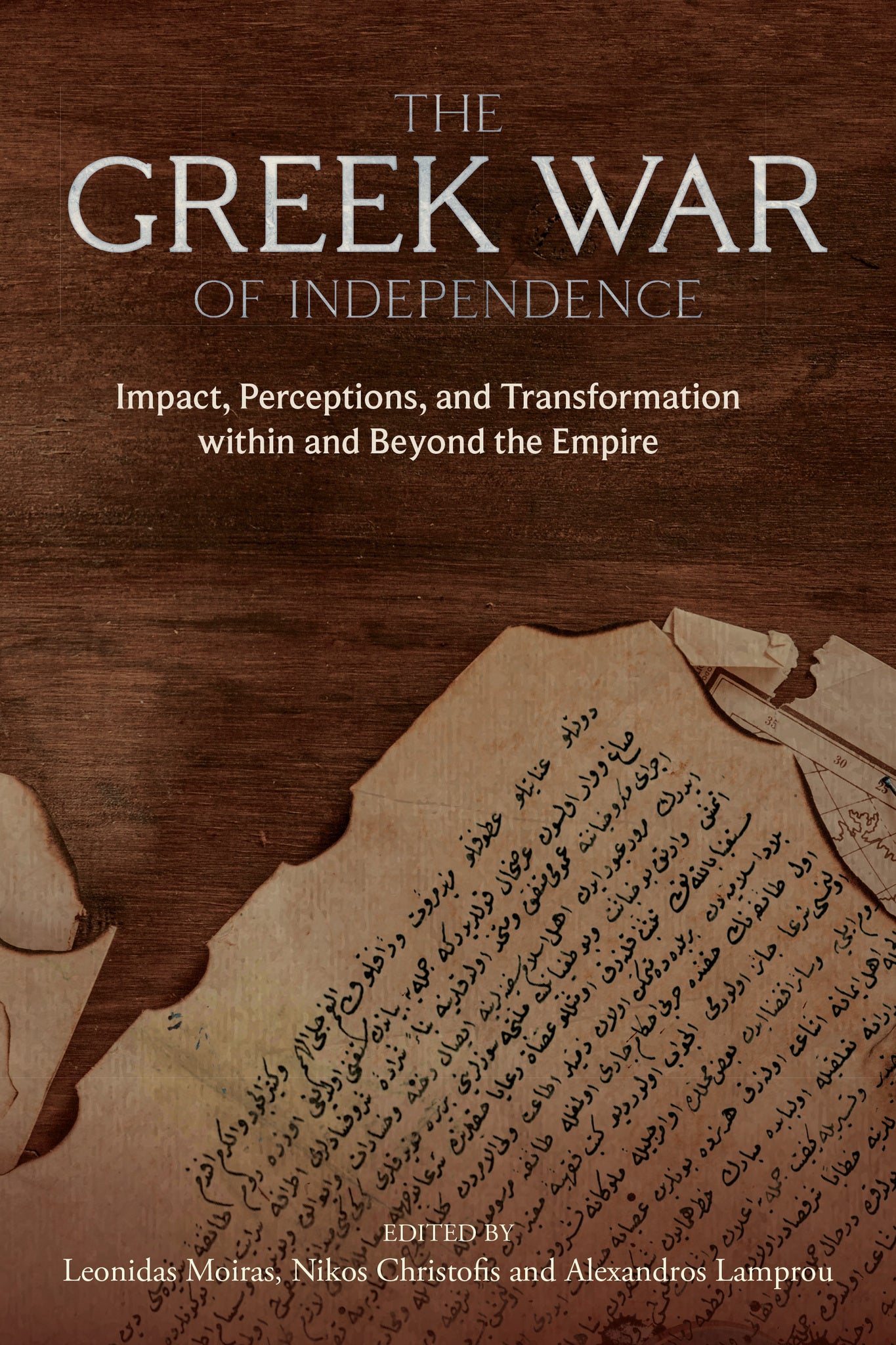
The Greek Revolution of 1821 was not merely a national uprising—it was a transnational event that reshaped the Eastern Mediterranean and reverberated across the globe. Moving beyond traditional nationalist historiography, this study draws on recent transnational and Ottoman-centered scholarship to examine how diaspora networks, European Philhellenes, and great power rivalries transformed a regional revolt into an international cause. The Ottoman context is treated not as a passive or declining backdrop, but as a dynamic, multiethnic polity grappling with reform, resistance, and the challenges of maintaining imperial cohesion. Drawing on multilingual and cross-regional sources, the contributors explore how the Revolution was perceived, contested, and reshaped across diverse cultural and political spaces, embedding 1821 within the broader currents of nineteenth-century revolution, diplomacy, and state formation.


“It is a very original and useful book that highlights the impact of the Greek War of Independence both in the immediate Balkan region and as far as distant China and Japan. The authors make use of very different sources and archives in various languages, which is quite rare for studies on the Greek Revolution. The multifaceted narrative shows the broader dimensions of the event and places it in the perspective of global history.” • Anna Karakatsouli, National and Kapodistrian University of Athens
Alexandros Lamprou holds a PhD in Turkish history from Leiden University and is currently a lecturer at the University of the Aegean in Greece. He has taught Turkish and Greek history at different universities in Greece, Turkey, and Germany. His research interests include state-society relations, anti-minority campaigns, and the historiography of the early republican period in Turkey. His current research project focuses on Greek refugees in the Middle East and Africa during World War II.
Acknowledgments
Introduction
Leonidas Moiras and Nikos Christofis
Part I: Historiographical Approaches of the Greek Revolution
Chapter 1. Ottoman and Turkish Perceptions of the Greek Revolution and Greek Irredentism
Leonidas Moiras and Alexandros Lamprou
Chapter 2. Cyprus and the Greek Revolution of 1821: Narrating and Constructing the Past
Nikos Christofis
Chapter 3. Albanian National Narratives and “Interbalkanisms”: Centers and Visions of the “Greek” in the Nineteenth Century
Elias G. Skoulidas
Chapter 4. The Question of the Elites in the Historiography of the 1821 Greek Revolution
Dimitris Stamatopoulos
Part II: The Greek Revolution in the Ottoman Context
Chapter 5. The Greek Independence War, Ottoman Citizenship, and Military Conscription: The Story of a Vicious Circle
Erik-Jan Zürcher
Chapter 6. From the Nile to Navarino: The Greek Revolution in the Egyptian Historiography
Panos Kourgiotis
Chapter 7. Across the Aegean: Muslim Migration from the Morea during the Greek War of Independence
Hilal Cemile Tümer
Part III: The Global Impact of the Greek Revolution
Chapter 8. American Protestant Missionaries and the Greek Revolution
Elmira Vasileva
Chapter 9. Russian Liberalism and the Revolutions of the 1820s: The Greek 1821
Ada Dialla
Chapter 10. The Greeks and Transnational Political Policing in Europe during the Age of Revolutions
Christos Aliprantis
Chapter 11. The Ottoman-Iranian Enmity and the Greek War of Independence
Mohammed Shariat-Panahi
Chapter 12. “Every Single Verse Seems to Be Speaking to the Contemporary Chinese”: Perceptions of the Greek Revolution of 1821 in Japan and China
Egas Moniz Bandeira
Afterword: Beginnings, the End, and an Apology: A ‘1619 Project’ for Greece
Christine Philliou
Index