


Some error occured while loading the Quick View. Please close the Quick View and try reloading the page.
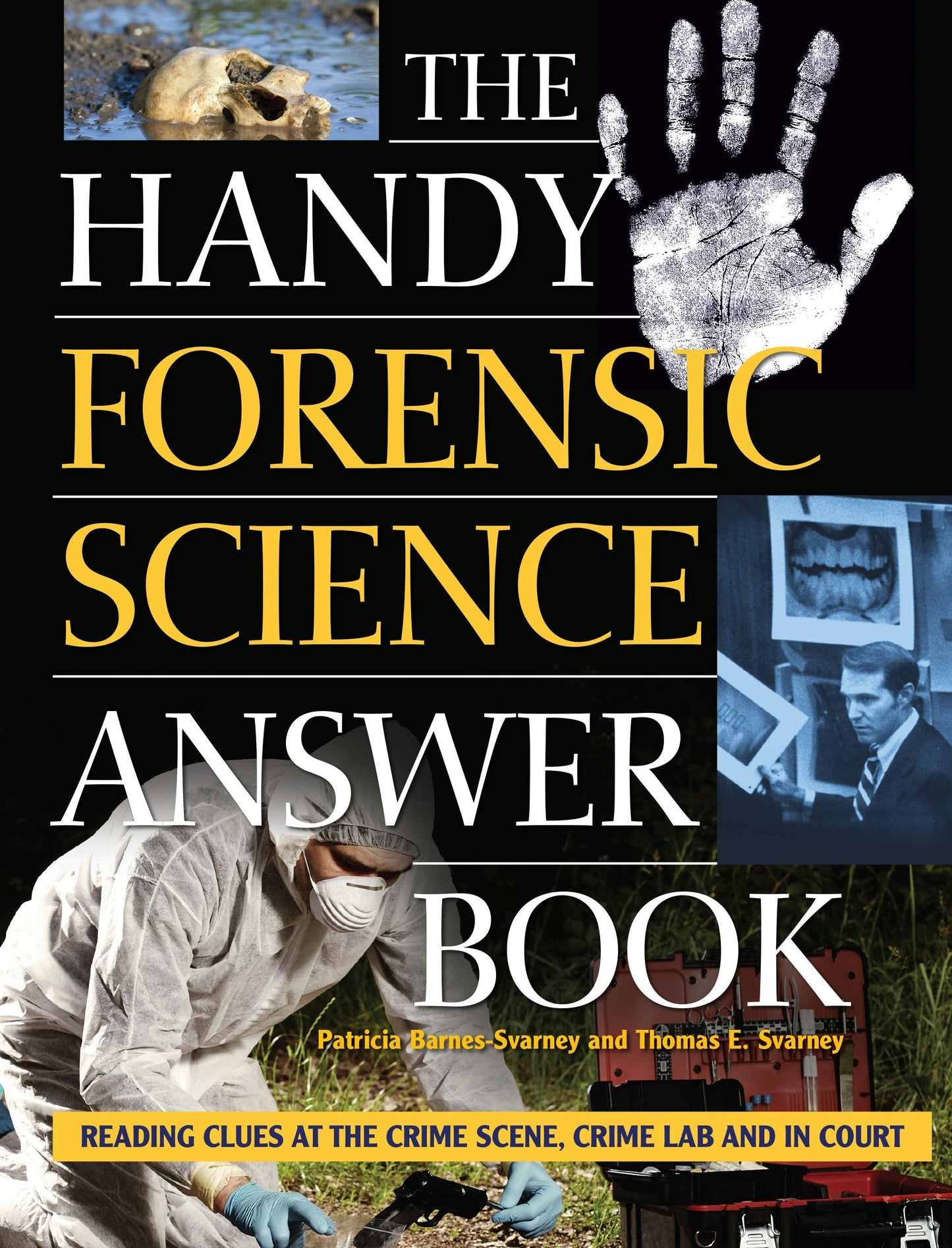
A practical, accessible, and informative guide to the science of criminal investigations.
Covering the fundamentals, science, history, and analysis of clues, The Handy Forensic Science Answer Book: Reading Clues at the Crime Scene, Crime Lab and in Court provides detailed information on crime scene investigations, techniques, laboratory finding, the latest research, and controversies. It looks at the science of law enforcement, how evidence is gathered, processed, analyzed, and viewed in the courtroom, and more. From the cause, manner, time of a death, and autopsies to blood, toxicology, DNA typing, fingerprints, ballistics, tool marks, tread impressions, and trace evidence, it takes the reader through the many sides of a death investigation. Arson, accidents, computer crimes, criminal profiling, and much, much more are also addressed.
The Handy Forensic Science Answer Book gives real-world examples and looks at what Hollywood gets right and wrong. It provides the history of the science, and it introduces the scientists behind breakthroughs. An easy-to-use and informative reference, it brings the complexity of a criminal investigation into focus and provides well-researched answers to over 950 common questions, such as …
Providing the facts, stats, history, and science, The Handy Forensic Science Answer Book answers all of your questions about criminal investigations, crime scene analysis, and forensic science!


“★ Starred Review. Full of fun facts ... will enthrall high school and college students investigating potential career paths as well as inquisitive general readers.” – Library Journal
"Best Reference Titles of 2018” – Library Journal
“For the armchair detective or CSI fan, “The Handy Forensic Science Answer Book” by Patricia Barnes-Svarney and Thomas E. Svarney will be a welcome gift this year. In a Q&A format, this book teaches and answers the kinds of questions any detective-show fan can come up with. It may also chill you … .” – Bookworm Sez
“… answer(s) about 950 questions about forensic science, in relation to its definition, terms, and disciplines; history; the crime scene and investigation; biological and physical evidence; autopsies; analyzing older remains; trace evidence; patent, latent, and plastic prints; tool marks, firearms, and ballistics; examining explosives; questioned documents and cryptanalysis; other forensic investigations, such as arson, bioterrorism, and accident scenes; forensic psychology and psychiatry; the use of forensic science in the courts; controversies; famous crimes and forensic science; the media and forensic science; and resources in the subject area.” — Book News
Thomas E. Svarney is a scientist who has written extensively about the natural world. His books, with Patricia Barnes-Svarney, include Visible Ink Press’ The Handy Anatomy Answer Book, The Handy Biology Answer Book, and The Handy Nutrition Answer Book, and he is also the author of Skies of Fury: Weather Weirdness around the World and The Oryx Guide to Natural History.
Introduction
1. Overview
2. History of Forensic Science
3. The Crime Site and Investigation Teams
4. Looking for Biological Evidence
5. Looking for Physical Evidence
6. Analyzing a Body
7. Analyzing Older Remains
8. Trace Evidence
9. Patent, Latent, and Plastic Prints
10. DNA Analysis
11. Toolmarks, Firearms, and Ballistics
12. Examining Explosives
13. Questioned Documents and Cryptanalysis
14. Computer, Accounting, and Other Forensic Investigations
15. Forensic Psychology
16. The Legal Process
17. Controversies in Forensic Science
18. Famous (and Infamous) Crimes and Forensic Science
19. The Media and Forensic Science
Glossary
Resources
Further Reading
Index