


Some error occured while loading the Quick View. Please close the Quick View and try reloading the page.
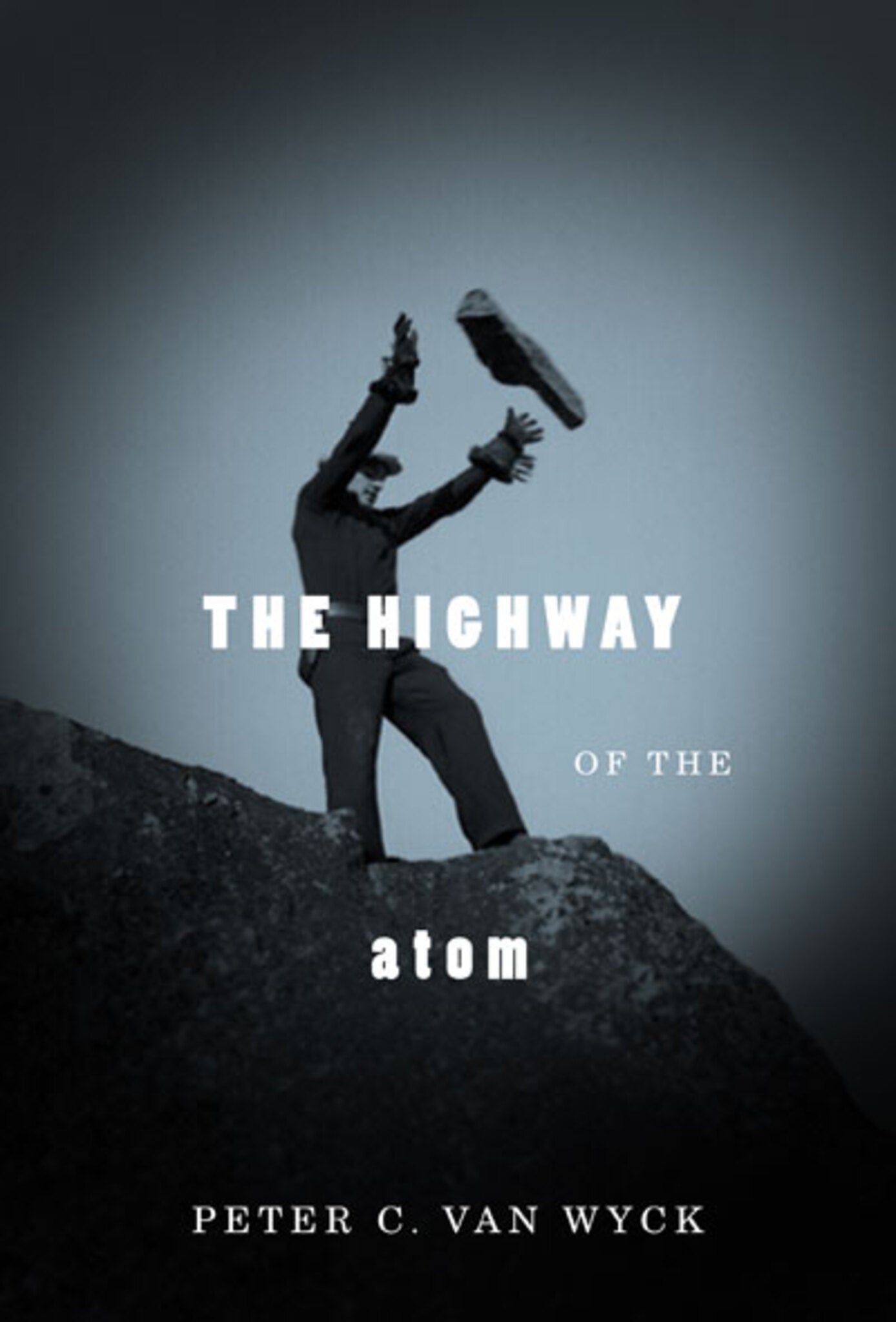
A subarctic mine on the far eastern shores of Great Bear Lake provided Canadian uranium for the bombs detonated over Japan in August 1945. However, a complete history of Canada's involvement in the Manhattan Project and the development of the atomic bomb has been thwarted by restrictions on classified documents.
The Highway of the Atom overcomes these restrictions in an innovative and unconventional history that assembles a narrative from fragments - interviews, indigenous stories, archives, and physical remains - while questioning whether it is possible to grasp the past by sifting through what remains. Uncovering the story of the radioactive ore's route from mine to weapon of mass destruction, Peter van Wyck considers the legacy of this history for the Dene community and inquires into trauma, landscape, disaster, and memory.
From the fur trade routes of the far North, to the deserts of New Mexico and wartime Japan, The Highway of the Atom weaves together crucial missing pieces about the beginning of the Atomic Age in startling and unexpected ways.


"The Highway of the Atom is a tour de force and belongs on the same shelf with Kenzaburo Oe's Hiroshima Notes, John Hersey's Hiroshima, and Richard Rhodes' The Making of the Atomic Bomb. The author has read everything there is to read, spent countless hours in archives, and visited many of the places and people referred to in the book, though he never lets his research dominate the story. The book contains so many telling phrases and telling insights that the reader will want to concentrate not only on what van Wyck is saying but also on how well he is saying it." -John O'Brian, Department of Art History, Visual Art, and Theory, University of British Columbia