


Some error occured while loading the Quick View. Please close the Quick View and try reloading the page.
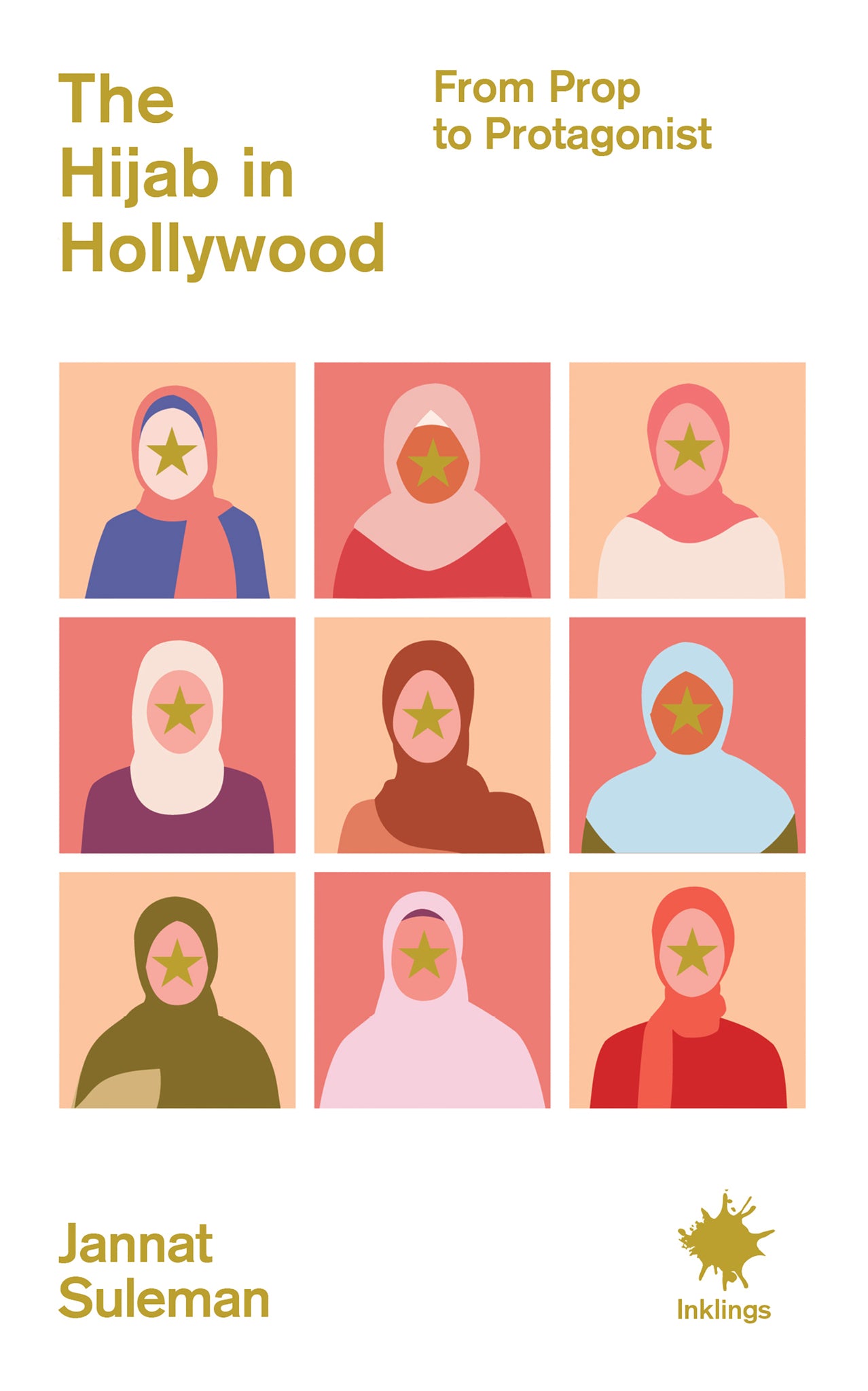
Rewriting the narrative of the hijab – beyond stereotype and tokenism.
The Hijab in Hollywood interrogates a quarter-century of Western media to uncover how the hijab has been misunderstood, misrepresented, and often erased. Blending personal reflection with cultural critique, it traces the journey from harmful post-9/11 stereotypes – terrorism, oppression, exoticism – through the shallow gains of “progressive” visibility, where hijabi identities are reduced to tokenistic plot devices.
Drawing on film, fashion, and television across the US and UK, this vital book asks whether authentic representation is possible in a digital age shaped by scrutiny and division. With insight from industry voices and the author’s own British-Pakistani Muslim perspective, it ultimately shifts the conversation from representation to inclusivity – arguing that meaningful change begins when hijabis shape their own narratives. Urgent and incisive, this is both a critique of the past and a hopeful blueprint for a more equitable media future.


Jannat Suleman is a British-Pakistani film critic, culture writer, film programmer, and host based in Yorkshire, UK. Her work focuses on representation, popular culture, and amplifying underrepresented voices, particularly within South Asian and Muslim communities. She has collaborated with community organizations and national publishers across the UK and US, championing more inclusive approaches to storytelling and film culture. In 2024, she curated a panel on the hijab in Hollywood for the British Film Institute’s Woman With A Movie Camera summit and wrote on hijabi representation in television for Public Books. Drawing on her experience as a Muslim woman who wore the hijab for a decade, Suleman brings both personal insight and cultural expertise to questions of identity, visibility, and representation.
Introduction
Chapter 1: A History of Harmful Stereotypes
Chapter 2: The Cosy, Progressive Pigeonhole
Chapter 3: Reviewing ‘Real’ Representation
Chapter 4: Curating a Hijabi-Inclusive Culture
Conclusion