


Some error occured while loading the Quick View. Please close the Quick View and try reloading the page.
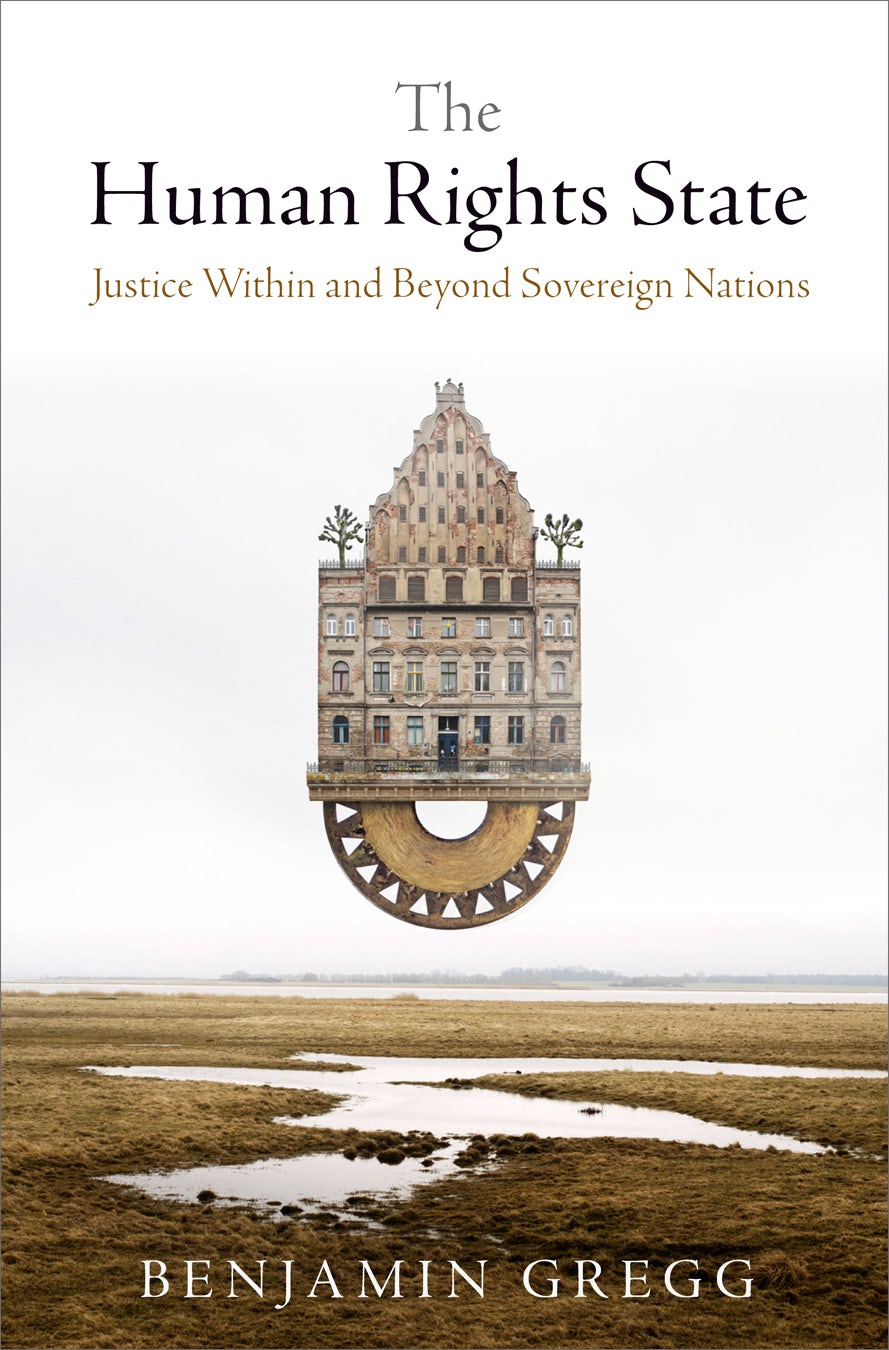
The nation state operates on a logic of exclusion: no state can offer citizenship and legal rights to all comers. From the logic of exclusion a state derives its sovereign power. Yet this exclusivity undermines the project of advancing human rights globally. That project operates on a logic of inclusion: all people, regardless of citizenship status or territorial location, would everywhere be recognized as bearers of human rights. In practice, human rights are afforded, if at all, then only to citizens of those few states that sometimes regard human rights as moral necessities of domestic commitments—or for states that find that stance politically expedient for the moment.
This discouraging reality in the first decades of the twenty-first century prompts the question: What political arrangement might better conduce the local embrace and enduring practice of human rights? In The Human Rights State, Benjamin Gregg challenges the conviction that the nation state can only have a zero-sum relationship with human rights: national sovereignty is possible or human rights are possible, but not both, not in the same place, at the same time. He argues that the human rights project would be more effective if established and enforced at local levels as locally valid norms, and from there encouraged to expand outward toward overlaps with other locally established and enforced conceptions of human rights grown in their own local soils.
Proposing a metaphorical human rights state that operates within or alongside a nation state, Gregg describes networks of activists that encourage local political and legal systems to generate domestic obligations to enforce human rights. Geographic boundaries and national sovereignties would remain intact but diminished to the extent necessary to extend human rights to all persons, without reservation, across national borders, by rendering human rights an integral aspect of the nation state's constitution.


Introduction. A Project for the Free Embrace of Human Rights
Part I. THE HUMAN RIGHTS STATE: POLITICS BY METAPHOR
Chapter 1. Human Rights as Metaphor
Chapter 2. Human Rights in a Backpack
Chapter 3. The Body as Human Rights Boundary
PART II. THE HUMAN RIGHTS STATE THROUGH PERSUASION, NOT COERCION
Chapter 4. Teaching Human Rights as a Cognitive Style
Chapter 5. Developing Human Rights Commitment in Post-Authoritarian Societies
Chapter 6. Digital Technology as Resource for the Human Rights Project
PART III. DEFENSE OF THE HUMAN RIGHTS STATE IN THE FACE OF CHALLENGES
Chapter 7. Human Rights Patriotism
Chapter 8. A Human Right Not to Democracy but to the Rule of Law
Chapter 9. Human Rights and Humanitarian Intervention
Coda: A Community of Nation States Practicing Domestic Cosmopolitanism
Notes
References
Index
Acknowledgments