


Some error occured while loading the Quick View. Please close the Quick View and try reloading the page.
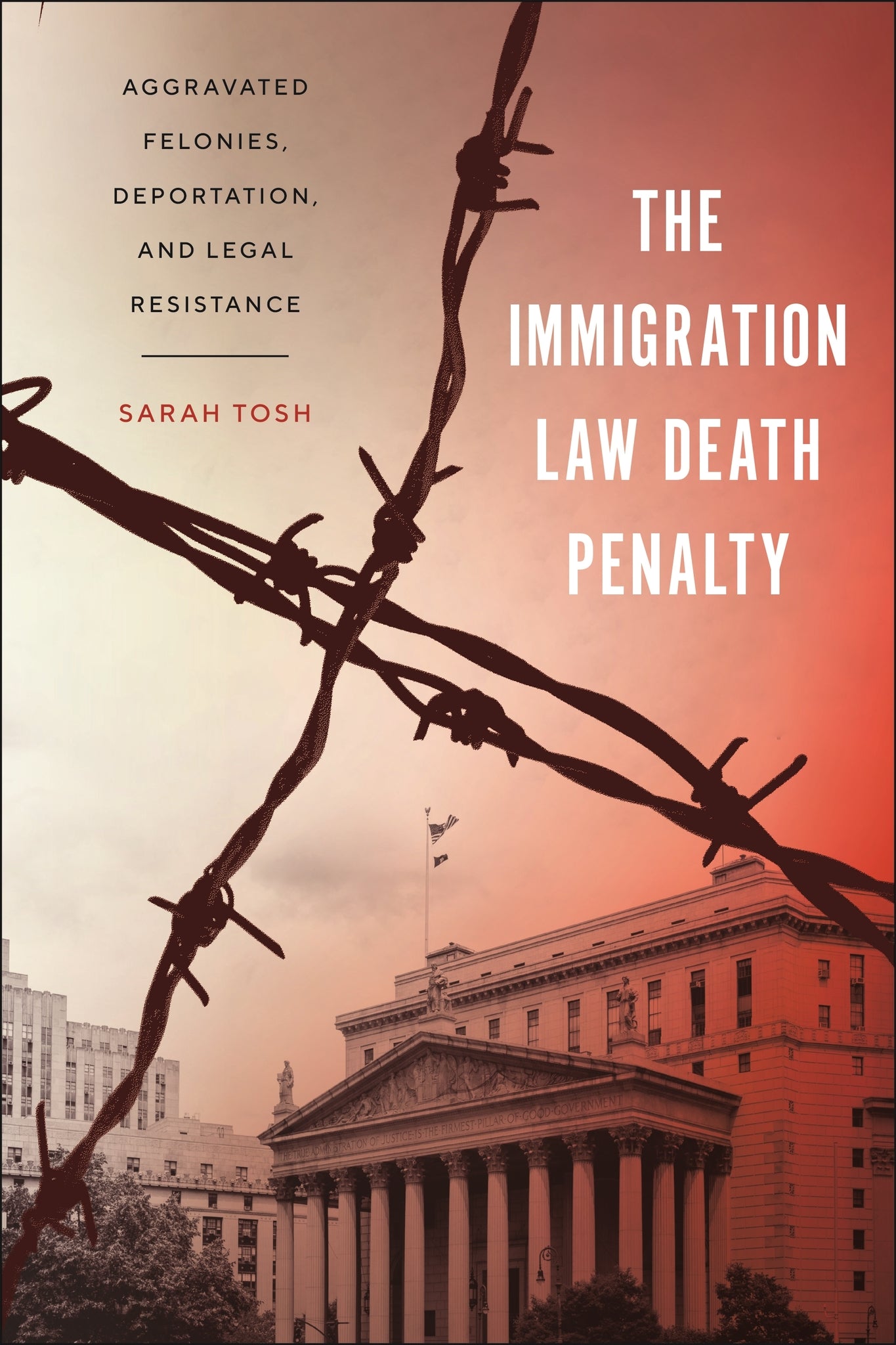
Traces the role of the aggravated felony in today’s deportation regime
In immigration courts across America, a non-citizen convicted of an “aggravated felony” will almost certainly face deportation with no access to asylum. However, despite the ominous-sounding name, aggravated felonies need not be either “aggravated” or “felonies.” The term encompasses more than thirty offenses, ranging from check fraud and shoplifting to filing a false tax return. The recent expansion in the list of such offenses has resulted in astronomical rates of deportation.
This book chronicles the rise of the use of the aggravated felony, known by lawyers as the “immigration law death penalty,” to criminalize and then deport immigrants. Immigrants convicted of aggravated felonies are subject to mandatory detention and almost certain deportation—and are ineligible for almost all forms of legal relief from removal. Furthermore, immigrants convicted of aggravated felonies can be detained for months or even years without bond, are not guaranteed lawyers, and can even be deported without an opportunity to plead their case in court. Sarah Tosh provides the first in-depth understanding of how aggravated felonies have been used to deport thousands of documented and undocumented immigrants and how the severe, expansive, and racially disparate outcomes have been met with innovative legal responses, bolstered by networks of community-based resistance. The Immigration Law Death Penalty is an urgent read for anyone committed to protecting the rights of immigrants nationwide.


"In immigration law today, there is nothing more harmful to migrants than having ICE throw two words in their direction: aggravated felony. Looking well past the legal arguments, Tosh turns the aggravated felony from a technical legal concept to real-life anxiety. Through immigration court observations and interviews, Tosh shows the damning impact of adding immigration consequences to criminal legal processes, revealing the modern immigration law system’s reliance on criminal history to be rife with bias and short on justice. But through it all, Tosh also finds passionate advocates whose strategic thinking slows ICE’s efforts—and sometimes even carries the day for migrants."
"Through extensive interviews and direct observations, Tosh exposes the injustices at the heart of the American deportation regime and the strategies of legal resistance mobilized to resist it."
"A powerful and illuminating in-depth examination of the history, politics, and social factors behind the ‘aggravated felony’ legal category. Tosh’s rich analysis deconstructs this invented category, laying bare how it operates as a mechanism to funnel racialized immigrants to deportation. Tosh’s original charting of lawyers’ and advocates’ creative strategies to get around the most detrimental effects of the aggravated felony also seeds hope for pushing back against inherently discriminatory and unjust criminal and immigration laws. Invaluable."
"It is imperative to understand, analyze, and contextualize Sarah Tosh’s important work within past and present perspectives on immigration + crime (crimmigration) at both state and individual levels."
"Tosh finds that the resulting severe and racially disparate outcomes have been met with innovative legal responses, bolstered by networks of community-based resistance."