


Some error occured while loading the Quick View. Please close the Quick View and try reloading the page.
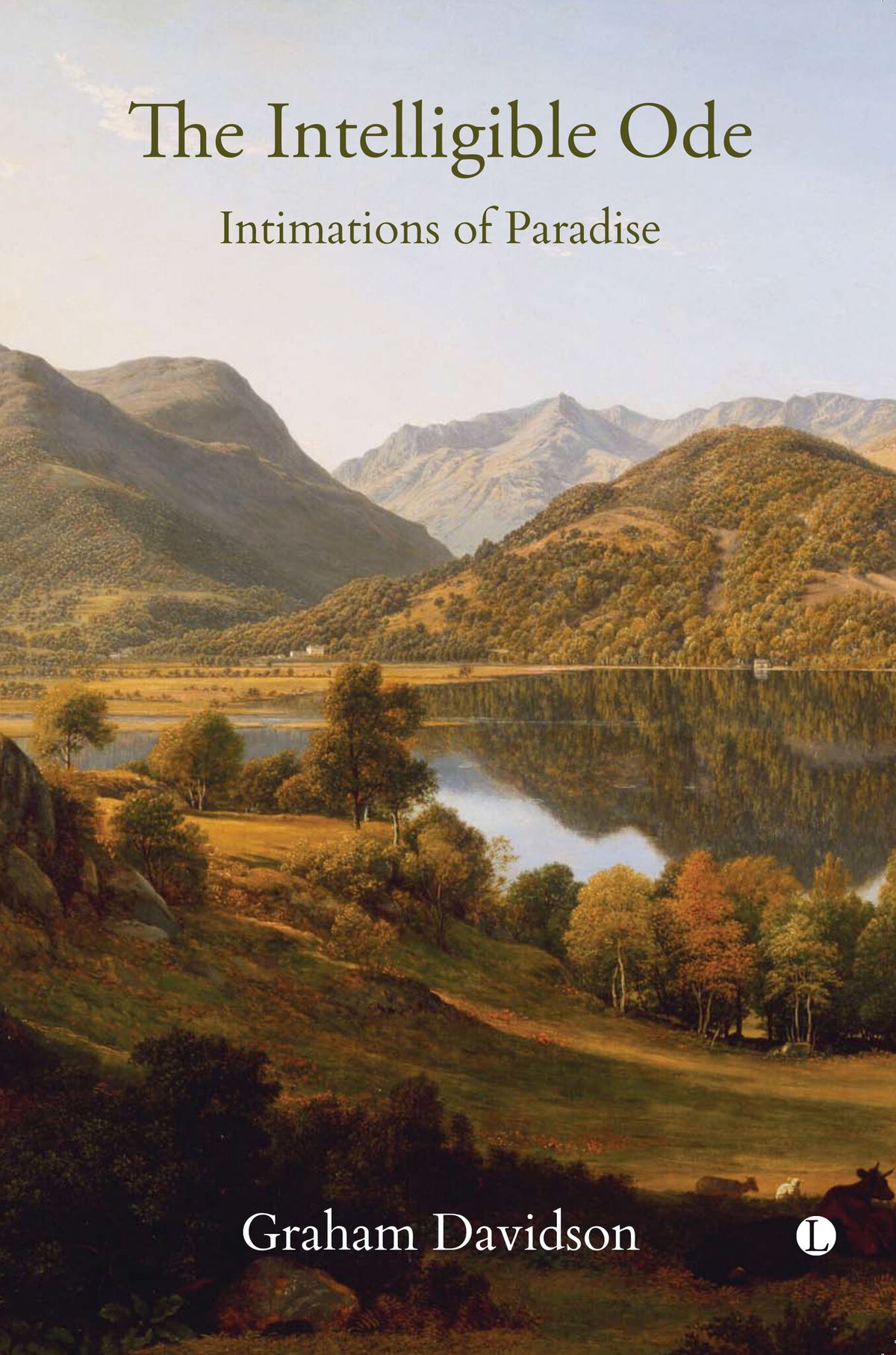
Imagination and immortality in one of Wordsworth's most controversial poems, examined afresh in the context of Cambridge Platonism.
From its first publication, what is now known as the Immortality Ode has been praised for the magnificence of its verse and disparaged for its paucity of meaning - the 'immortality' of the subtitle unsubstantiated, and the 'recollections' insubstantial. Yet Wordsworth's idea of immortality has clear precedents in the seventeenth century, and recollections of childhood are Traherne's starting point for the recovery of a lost vision comparable to Wordsworth's. Via the power of the imagination, or reason, they believed they could experience a renewed vision that both termed variously Paradise, or infinity, or immortality.
Graham Davidson traces the origins of Wordsworth's poetic impetus to his resistance to the Cartesian division between mind and nature, first adumbrated by the Cambridge Platonists. If reunited, Paradise was regained, but this personal trajectory was tempered by a deep sympathy for the woes of mortal life. Davidson explores the consequent dialogue through some of Wordsworth's best-known poems, at the heart of which is the Ode. In the last section, he demonstrates how Wordsworth's publishing history led the Victorians and modernists to misinterpret his work; if one considers Eliot's Four Quartets as odes, facing several of the same problems as did Wordsworth, there is some irony in Eliot's dismissal of the Immortality Ode as 'verbiage'.
From its first publication, what is now known as the Immortality Ode has been praised for the magnificence of its verse and disparaged for its paucity of meaning - the 'immortality' of the subtitle unsubstantiated, and the 'recollections' insubstantial. Yet Wordsworth's idea of immortality has clear precedents in the seventeenth century, and recollections of childhood are Traherne's starting point for the recovery of a lost vision comparable to Wordsworth's. Via the power of the imagination, or reason, they believed they could experience a renewed vision that both termed variously Paradise, or infinity, or immortality.
Graham Davidson traces the origins of Wordsworth's poetic impetus to his resistance to the Cartesian division between mind and nature, first adumbrated by the Cambridge Platonists. If reunited, Paradise was regained, but this personal trajectory was tempered by a deep sympathy for the woes of mortal life. Davidson explores the consequent dialogue through some of Wordsworth's best-known poems, at the heart of which is the Ode. In the last section, he demonstrates how Wordsworth's publishing history led the Victorians and modernists to misinterpret his work; if one considers Eliot's Four Quartets as odes, facing several of the same problems as did Wordsworth, there is some irony in Eliot's dismissal of the Immortality Ode as 'verbiage'.

Price: $130.00
Pages: 282
Publisher: Boydell & Brewer Inc.
Imprint: Lutterworth Press
Publication Date:
30 March 2023
Trim Size: 5.98 X 8.98 in
ISBN: 9780718896430
Format: Hardcover
BISACs:
PHILOSOPHY / History & Surveys / General, Philosophical traditions and schools of thought, LITERARY CRITICISM / Poetry, LITERARY CRITICISM / General, PHILOSOPHY / General, Literary studies: poetry and poets

Abbreviations
Acknowledgements
Preface
Part I: Patterns
1 A Philosophical Framework: Understanding the Intelligible
2 Expostulation and Reply: The Tables Turned
3 Tintern Abbey: His First and Happiest Ode
4 Geometry, Poetry and the Sublime of Man
Part II: Principles
5 Intimations
6 Recollections
Part III: A Crisis: The Poems of 1802
7 Several Kinds of Poem
8 Heaven and Earth
Part IV: Reading the Ode
9 Origins
10 Verse, Grammar and Imagery
11 Competing Forces
12 Stanzas I-IV: The Statement of Loss
13 Stanzas V-VIII: The Analysis of Loss
14 Stanzas IX-X: Recovery
15 Stanza XI: Resolution
Part V: Looking Forward into History
16 Poems Published and Unpublished
17 What if? A Counterfactual Reading
Bibliography
Index
Acknowledgements
Preface
Part I: Patterns
1 A Philosophical Framework: Understanding the Intelligible
2 Expostulation and Reply: The Tables Turned
3 Tintern Abbey: His First and Happiest Ode
4 Geometry, Poetry and the Sublime of Man
Part II: Principles
5 Intimations
6 Recollections
Part III: A Crisis: The Poems of 1802
7 Several Kinds of Poem
8 Heaven and Earth
Part IV: Reading the Ode
9 Origins
10 Verse, Grammar and Imagery
11 Competing Forces
12 Stanzas I-IV: The Statement of Loss
13 Stanzas V-VIII: The Analysis of Loss
14 Stanzas IX-X: Recovery
15 Stanza XI: Resolution
Part V: Looking Forward into History
16 Poems Published and Unpublished
17 What if? A Counterfactual Reading
Bibliography
Index