


Some error occured while loading the Quick View. Please close the Quick View and try reloading the page.
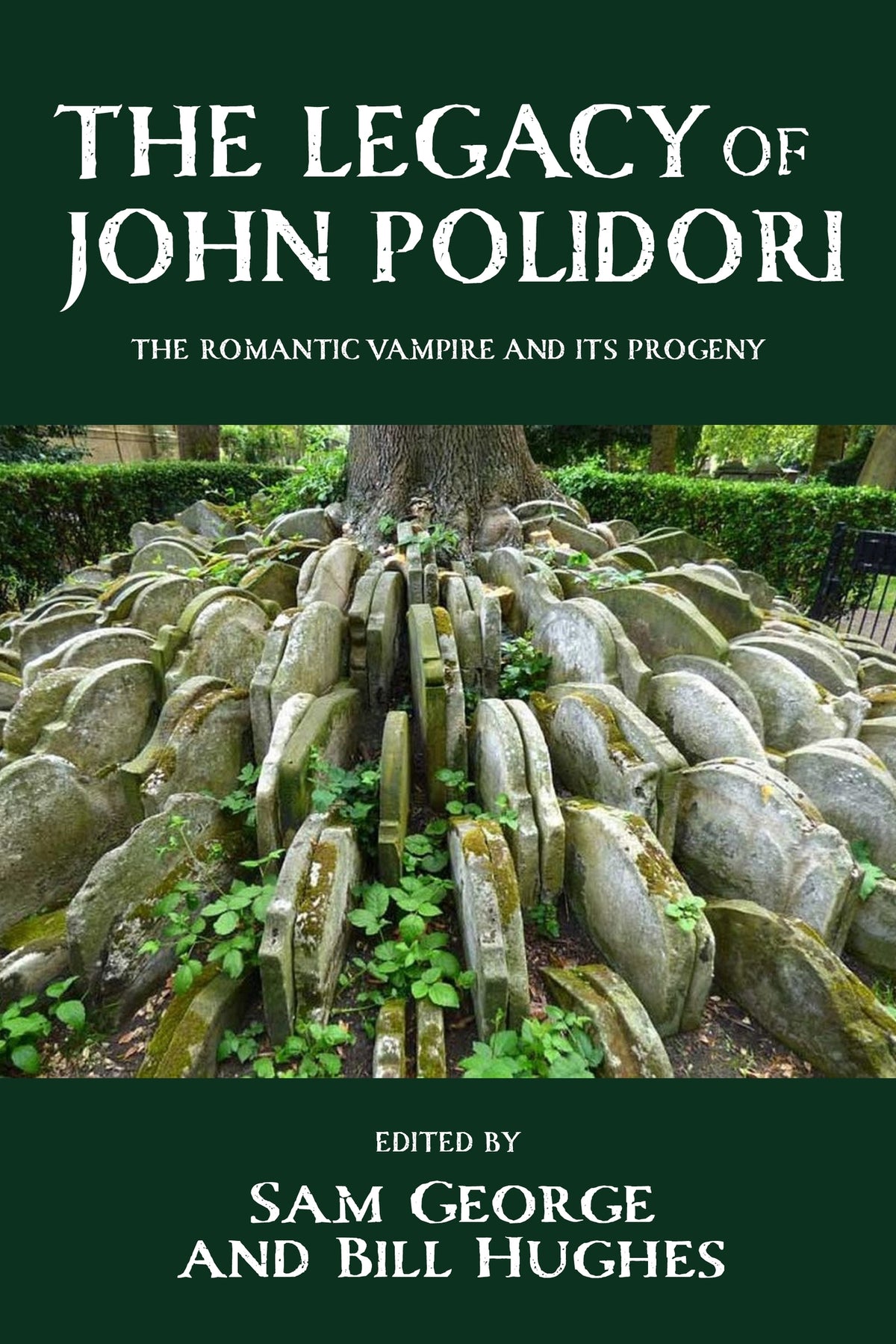


‘This lively, wide-ranging collection of essays has been assembled to celebrate the two hundredth birthday of Dr Polidori's amazingly influential The Vampyre. It examines the bloodline of the romantic vampire, in literature and on screen, up to the present day. There's plenty for these scholars to get their teeth into...and they certainly do.’
—Christopher Frayling, cultural historian and author of The Vampyre: Lord Byron to Count Dracula and Vampire Cinema: The First One Hundred Years
‘The legacy of John Polidori is a book that, at long last, gives its subject his due. The editors have curated a refreshing mix of new and established critical voices that, together, offer an exhaustive and deeply moving tribute to the man and his extraordinary tale.’
—Dale Townshend, Professor of Gothic Literature, Manchester Centre for Gothic Studies, Manchester Metropolitan University
'The legacy of John Polidori is a landmark publication. Expertly edited by Sam George and Bill Hughes, it assembles a range of international expertise to explore the persistence of Polidori's 'The Vampyre' in our imaginations and critical vocabulary.'
—Angela Wright, Professor of Romantic Literature, University of Sheffield
Sam George is Associate Professor of Research at the University of Hertfordshire and Co-convenor of the Open Graves, Open Minds Project
Bill Hughes is Co-convenor of the Open Graves, Open Minds Project
Foreword: Polidori revisited – Christopher Frayling
Part I: The birth of The Vampyre
1 Introduction – Sam George and Bill Hughes
2 Phantasmagoria: Polidori’s The Vampyre from theatricals to vampire- slaying kits – Sam George
3 A séance in Bristol Gardens: Reassessing The Vampyre – Fabio Camilletti
4 Byromania: Polidori, fandom and the Romantic vampire’s celebrity origins – Harriet Fletcher
5 Rebellion, treachery, and glamour: Lady Caroline Lamb’s Glenarvon, Polidori, and the progress of the Romantic vampire – Bill Hughes
6 Sexual contagions: Romantic vampirism and tuberculosis; or, ‘I should like to die of a consumption’ – Marcus Sedgwick
7 The Vampyre, Aubrey, and Frankenstein – Nick Groom
Part II: The legacy of The Vampyre
8 From lord to slave: Revolt and parasitism in Uriah Derick D’Arcy’s The Black Vampyre – Sam George and Bill Hughes
9 ‘But if thine eye be evil’: Tropes of vision in the rise of the modern vampire – Ivan Phillips
10 ‘Knowledge is a fatal thing’; or, from fatal whispers to vampire songs: Breaking Polidori’s oath in The Vampire Chronicles and Byzantium – Sorcha Ní Fhlainn
11 ‘The deadly hue of his face’: The genesis of the vampiric gentleman and his deadly beauty; or, how Lord Ruthven became Edward Cullen – Kaja Franck
12 Vampensteins from Villa Diodati: The assimilation of pseudo- science in twenty-first-century vampire fiction – Jillian Wingfield
Afterword: St Pancras Old Church and the mystery of Polidori’s grave – Sam George
Appendix 1 John William Polidori, The Vampyre
Appendix 2 George, Lord Byron, ‘A Fragment’
References
Index