


Some error occured while loading the Quick View. Please close the Quick View and try reloading the page.
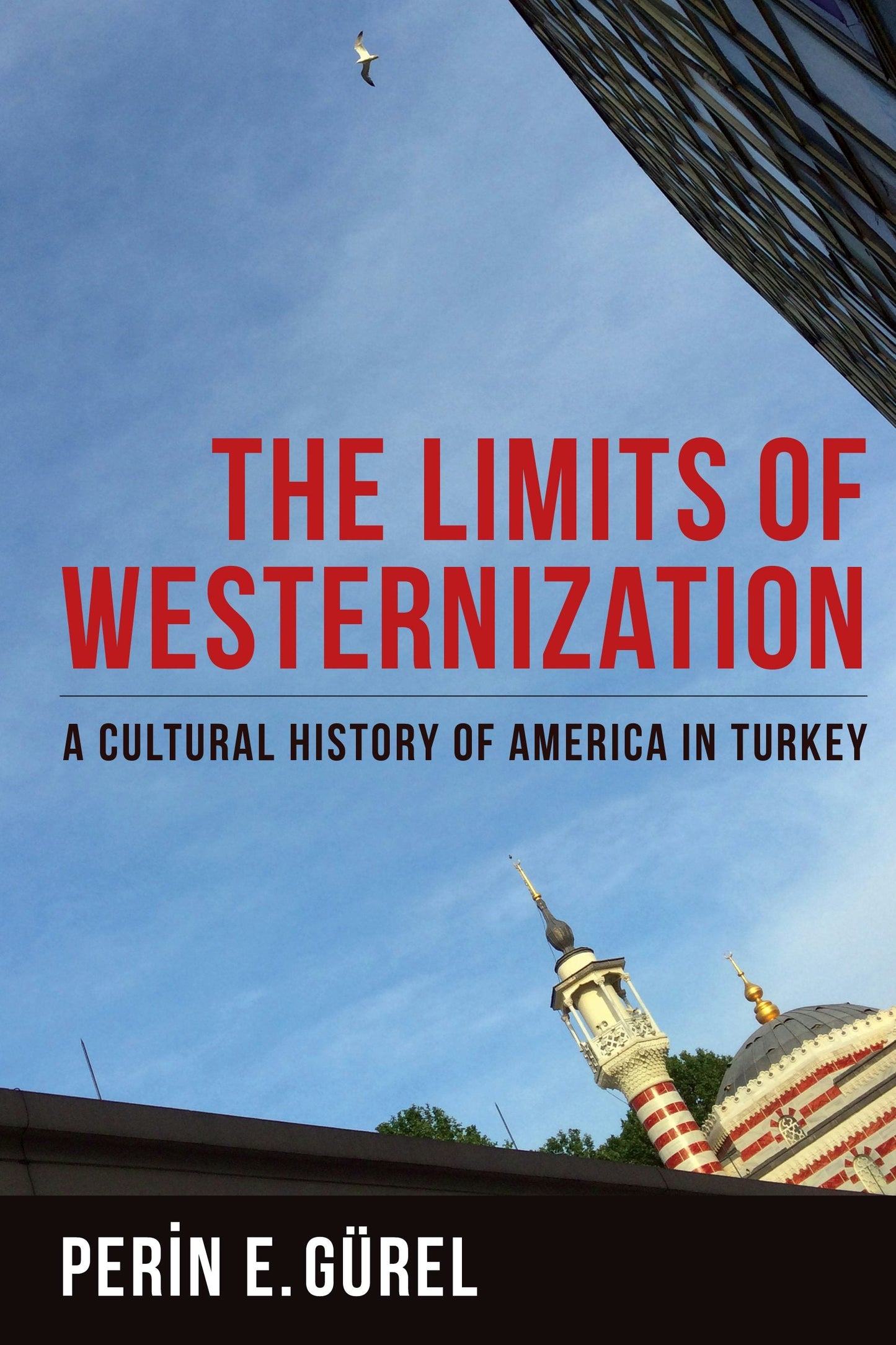
In a 2001 poll, Turks ranked the United States highest when asked: "Which country is Turkey's best friend in international relations?" When the pollsters reversed the question—"Which country is Turkey's number one enemy in international relations?"—the United States came in second. How did Turkey's citizens come to hold such opposing views simultaneously? In The Limits of Westernization, Perin E. Gürel explains this unique split and its echoes in contemporary U.S.-Turkey relations.
Using Turkish and English sources, Gürel maps the reaction of Turks to the rise of the United States as a world-ordering power in the twentieth century. As Turkey transitioned from an empire to a nation-state, the country's ruling elite projected "westernization" as a necessary and desirable force but also feared its cultural damage. Turkish stock figures and figures of speech represented America both as a good model for selective westernization and as a dangerous source of degeneration. At the same time, U.S. policy makers imagined Turkey from within their own civilization templates, first as the main figure of Oriental barbarism (i.e., "the terrible Turk"), then, during the Cold War, as good pupils of modernization theory. As the Cold War transitioned to the War on Terror, Turks rebelled against the new U.S.-made trope of the "moderate Muslim." Local artifacts of westernization—folk culture crossed with American cultural exports—and alternate projections of modernity became tinder for both Turkish anti-Americanism and resistance to state-led modernization projects.
The Limits of Westernization analyzes the complex local uses of "the West" to explain how the United States could become both the best and the worst in the Turkish political imagination. Gürel traces how ideas about westernization and America have influenced national history writing and policy making, as well as everyday affects and identities. Foregrounding shifting tropes about and from Turkey—a regional power that continues to dominate American visions for the "modernization" of the Middle East—Gürel also illuminates the transnational development of powerful political tropes, from "the Terrible Turk" to "the Islamic Terrorist."


Acknowledgments
Introduction: Good West, Bad West, Wild West
Over-Westernization
1. Narrating the Mandate: Selective Westernization and Official History
2. Allegorizing America: Over-Westernization in the Turkish Novel
Under-Westernization
3. Humoring English: Wild Westernization and Anti-American Folklore
4. Figuring Sexualities: Inadequate Westernization and Rights Activism
Postscript: Refiguring Culture in U.S.–Middle East Relations
Notes
Index