


Some error occured while loading the Quick View. Please close the Quick View and try reloading the page.
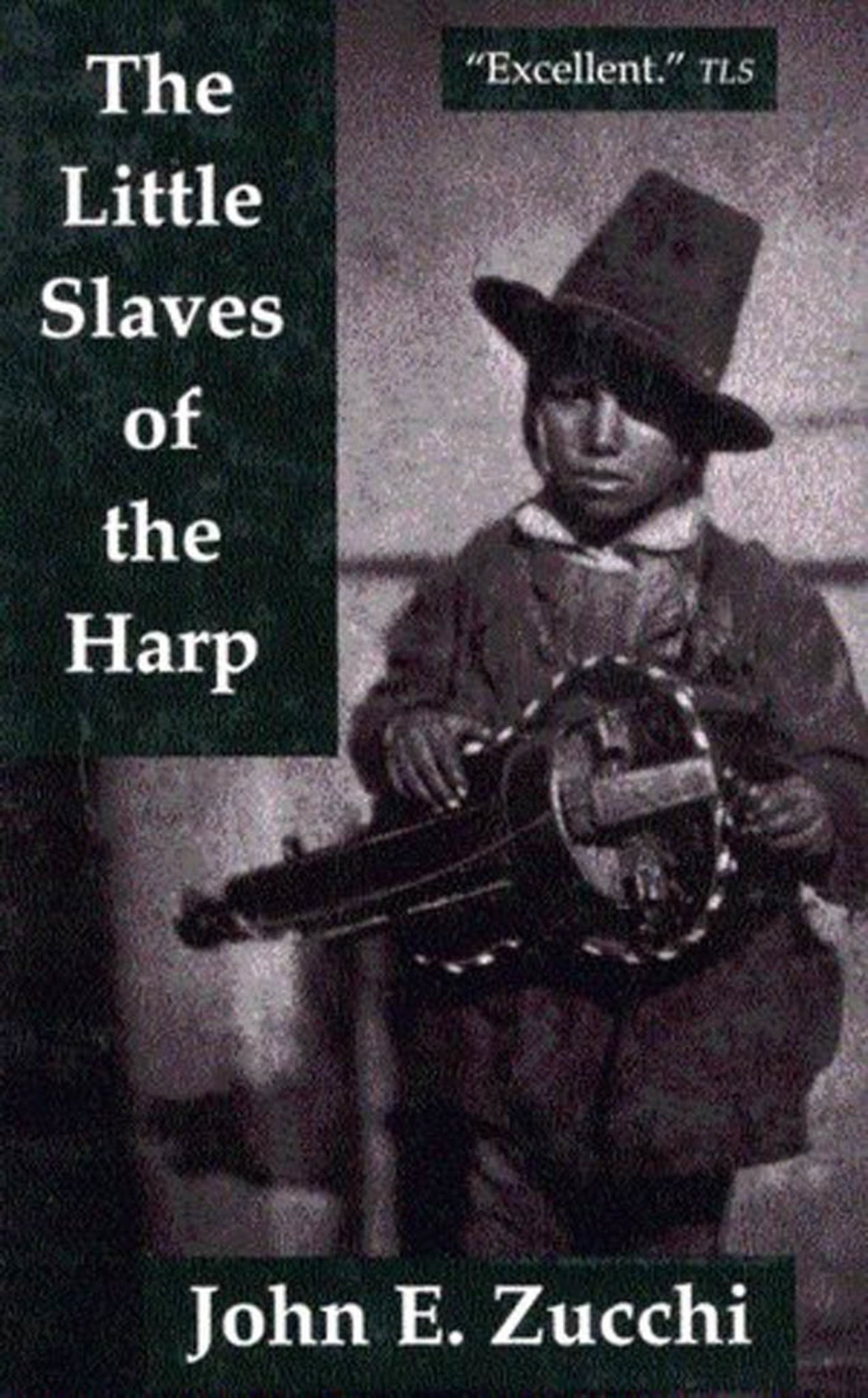
During the nineteenth century child musicians could be seen performing in the streets of cities across Europe and North America. Although they came from a number of countries, Italians were most associated with street music. In The Little Slaves of the Harp John Zucchi tells the story of the thousands of Italian children who were indentured to padrone and then uprooted from their villages in central and southern Italy and taken to Paris, London, and New York to perform as barrel-organists, harpists, violinists, fifers, pipers, and animal exhibitors.
The padrone were often known to the families of the children or were from the same villages. While some were cruel exploiters who compelled obedience through terror and abuse - a view promoted by a few, well-publicized cases - the lot of most of these children was similar to that of child apprentices and helpers in other trades.
Public reactions to the child performers were different in each city and reflected the host society's view of the influx of foreign immigrants in general. Although England, France, and the United States developed legislation in the mid-nineteenth century to deal with children in factories, they did not attempt to regulate children in street trades until later in the century because they saw the work as a form of begging. The battle to get Italian child musicians off the street dragged on for years before legislation and new work opportunities - often as onerous as or worse than street performing - directed the children into new trades.

