


Some error occured while loading the Quick View. Please close the Quick View and try reloading the page.
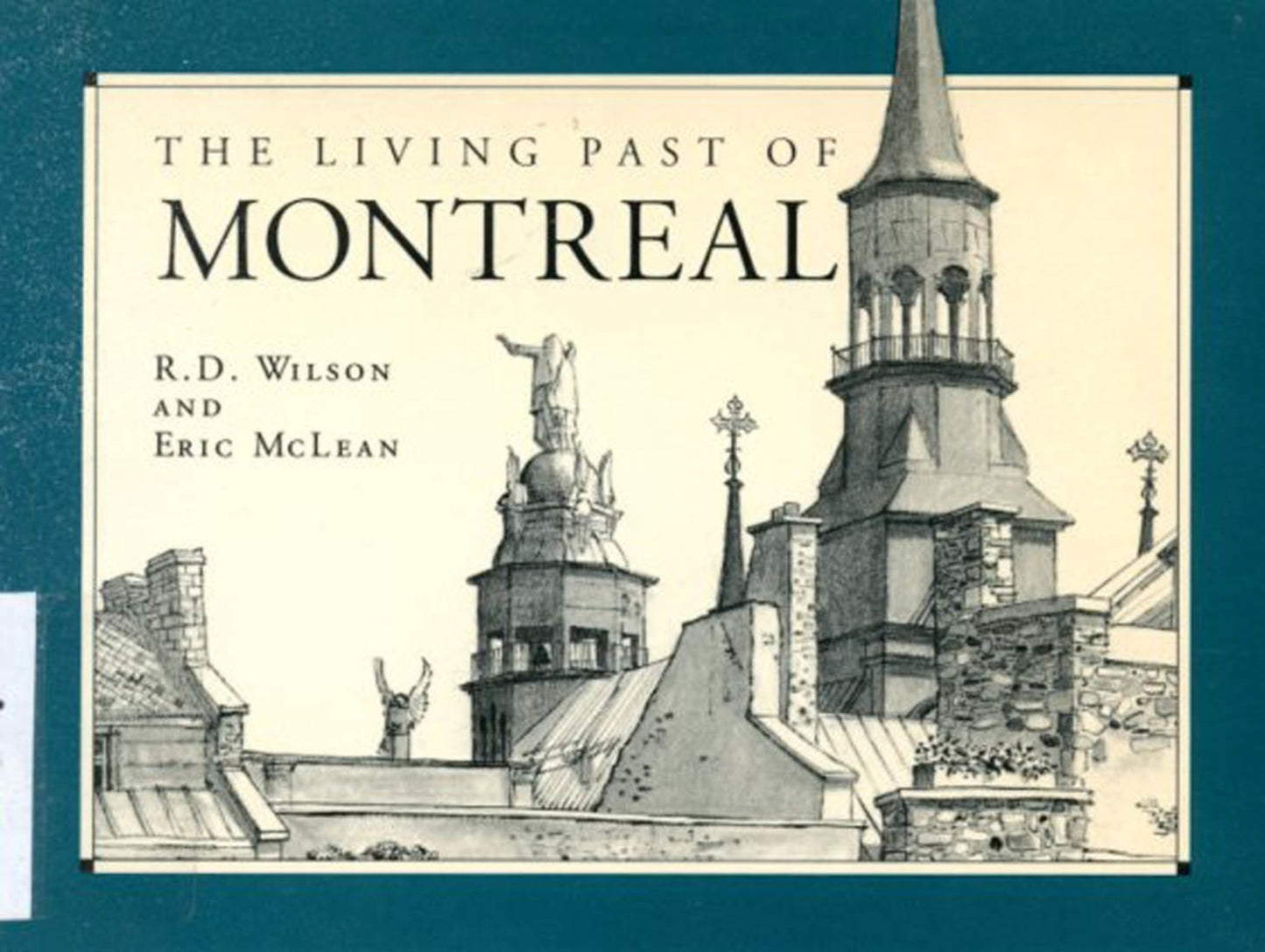
The Living Past of Montreal is a history of the city and its community, brought to life by fifty-seven specially commissioned charcoal and ink drawings of Old Montreal by R.D. Wilson. Beginning with the establishment of the first permanent settlement in 1642, Eric McLean describes the changing range of structures that have evolved to make Montreal what it is today. This narrative is set alongside Wilson's depictions of Old Montreal's most beautiful and significant streets and buildings. The collaboration of artist and writer has produced a book to be treasured by anyone who knows or visits Montreal.
In 1960 Old Montreal was an abandoned and rapidly deteriorating section of the city. With the growth of the restoration movement the external appearance of many Old Montreal buildings was radically altered. McLean was the first person to restore a house in Old Montreal as a private residence and he describes how extra stories were removed, pitched roofs reappeared, facades were cleaned and re-adjusted, and greater discretion exercised in the use of signs. Wilson has watched this evolution with passionate interest and, through his evocative drawings, presents an intimate portrait of the architecture of the area.
The Living Past of Montreal was first published in 1964 and revised in 1976. This third edition contains many of the original illustrations in addition to twenty new drawings which reflect the changes that have taken place up to the present day.


"The book provides a different and informative guide for anyone visiting Montreal but it has importance, too, as an account of an area where preservation and restoration have taken place." Halifax Mail Star
"McLean's text forms a well-written, low-key accompaniment, supplementing and explaining the outstanding drawings which form the heart of the book." Pacific Historian