


Some error occured while loading the Quick View. Please close the Quick View and try reloading the page.
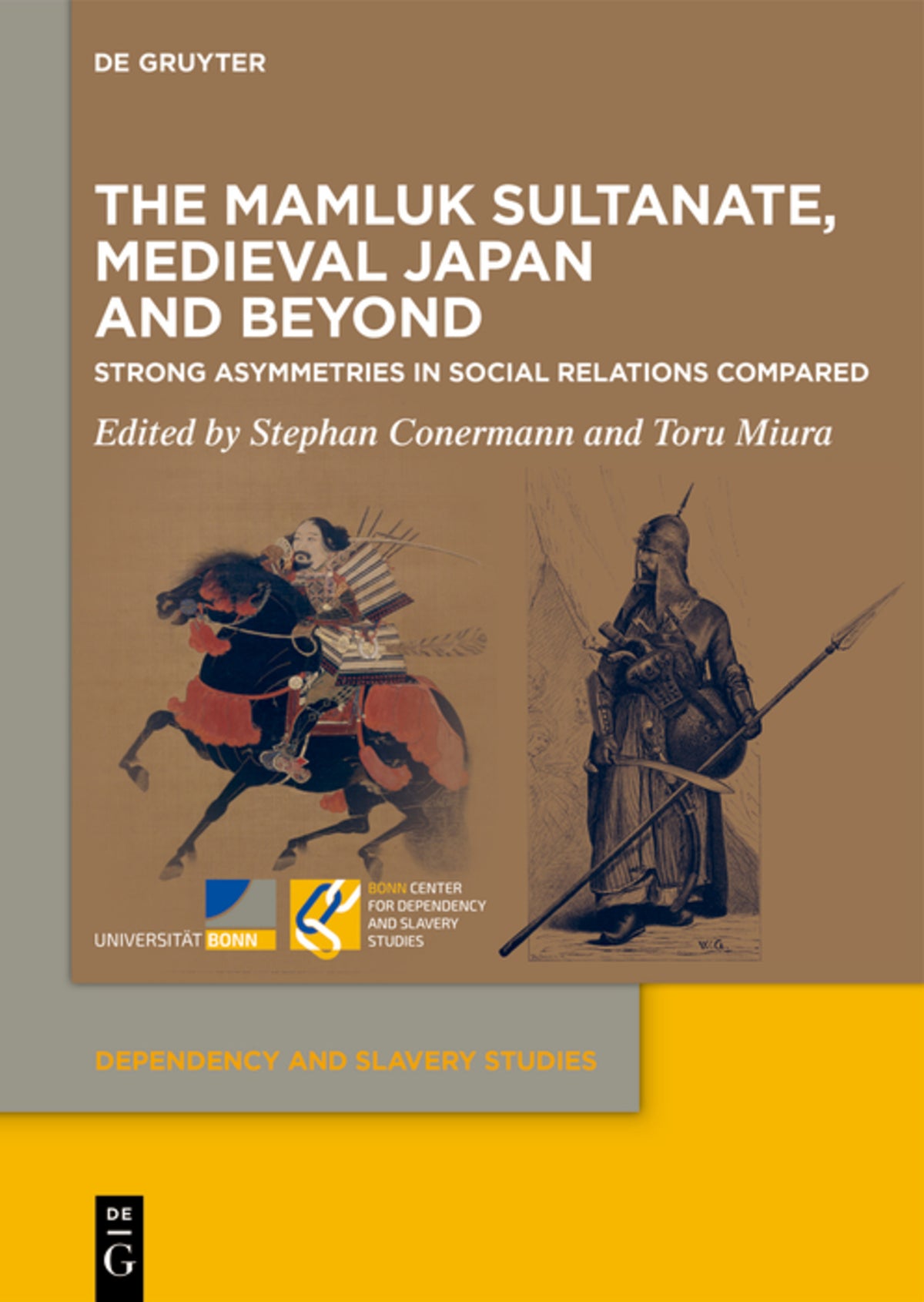
The systems of rule and the social structures of medieval Europe, the Mamluk Sultanate, and medieval Japan show a basic similarity: all three were hierarchical systems in which social relationships were characterized by dependency (e.g. Lehen, iqṭāʿ, shōen). Between the eleventh and fifteenth centuries, mounted warriors (knights in Europe, Mamluks in West Asia, bushi in Japan) became the mainstay of military and political power in both Asia and Europe. The Japanese shōen system emphasized strong loyalty of retainer to lord and cultivator to domain lord. However, the Kamakura lord was no sovereign with absolute power, even though he was leader of the bushi, and provincial warriors united to negotiate their positions. In the iqṭāʿ system of the Mamluk Sultanate, Mamluk soldiers were awarded the right to collect taxes from land temporarily granted to them. But when the elite military status of Mamluks was limited to a single generation, they worked to establish relationships through intermarriage and waqf donations. This edited volume looks at the systems of rule and the social structures of the Mamluk Sultanate and Medieval Japan, analyzing the basic parallels of hierarchical systems characterized by multiple dependencies at different levels of society.


Stephan Conerman, University of Bonn, Germany: Toru Miura, Toyo Bunko, Tokyo, Japan.